Water Pressure Problems: When to DIY and When to Call a Pro
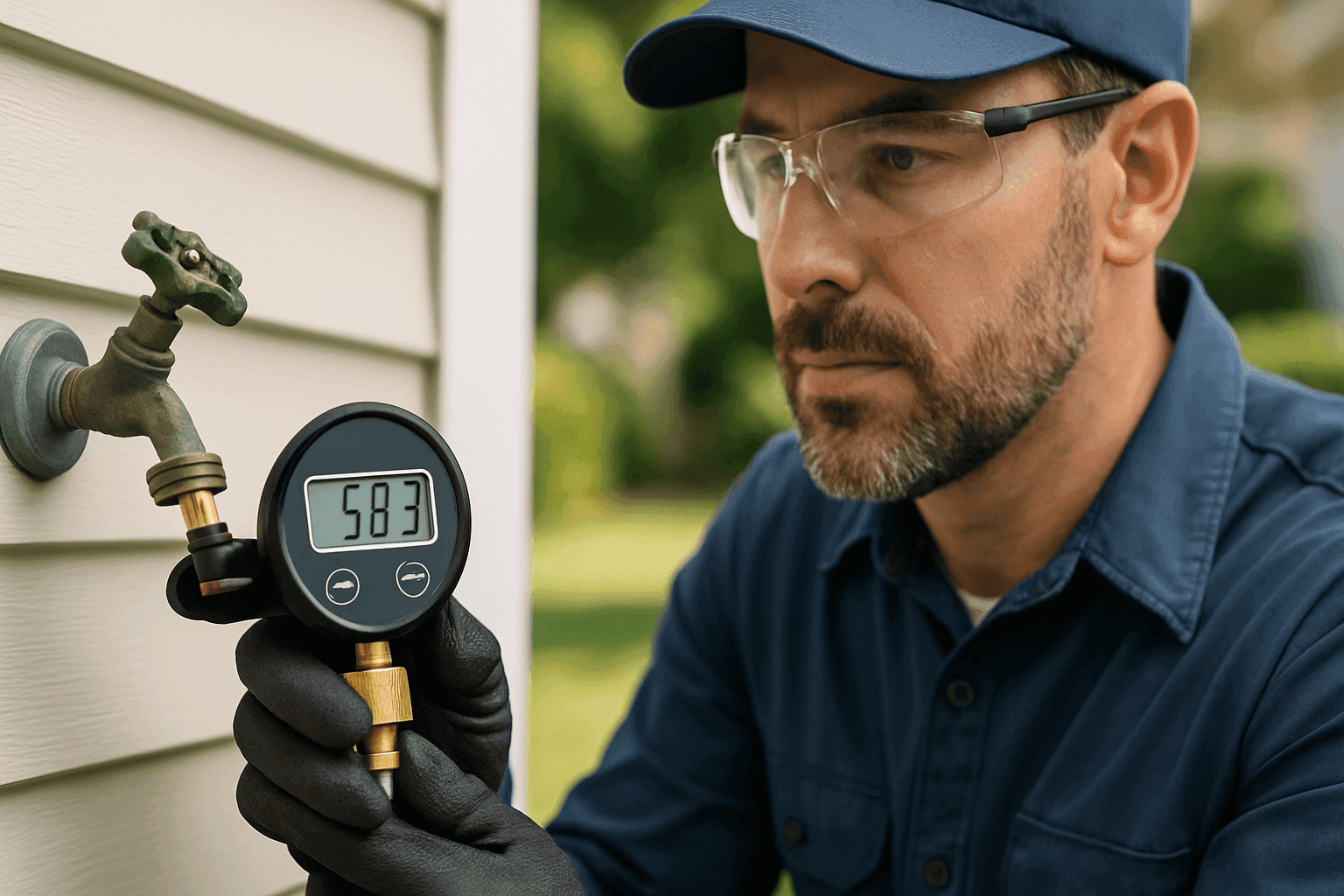
Have you ever turned on the kitchen faucet and waited… and waited… as the water trickled out like molasses in January? Or maybe a shower that feels more like a drizzle than a downpour? Water pressure issues are more than a minor nuisance. Sometimes, they’re warning signs—like a rattle in your car or a blinking dashboard light—that your home’s plumbing needs attention.
At Argos Plumbing, we know the difference between a quick fix and a hidden disaster. This guide walks you through what you can safely tackle on your own, and when it’s time to call for professional help. We want you to feel confident, not overwhelmed, about caring for your home’s plumbing.
Common Causes of Pressure Issues 🚿
Water pressure troubles can start anywhere in your plumbing system. Sometimes, it’s a simple clog. Other times, it’s a symptom of something lurking deeper—like old pipes or a failing pressure regulator.
Here’s where problems often hide:
- Clogged faucet aerators or showerheads — mineral buildup slows the flow.
- Shut or partially closed valves — even a slightly closed main valve can drop pressure.
- Leaking pipes — water escapes before reaching fixtures.
- Corroded or old pipes — especially in older homes, rust narrows pipe openings.
- Faulty pressure regulators — these devices can fail and disrupt the balance.
- Municipal supply issues — sometimes, the source of the trouble is outside your home.
- Hidden leaks in walls or underground — these can cause water pressure to drop suddenly.
Think of water pressure like air in a bicycle tire. Too little, and the ride is bumpy; too much, and you risk a blowout.
DIY Troubleshooting Steps
Before you call in the cavalry, there are a few things you can safely check yourself.
Quick Safety Checklist
- Turn off appliances using water (washers, dishwashers).
- Use caution with gas water heaters; don’t attempt repairs if you smell gas.
- Wear gloves when handling plumbing fixtures.
- Never try to repair underground lines or open walls without training.
Step-by-Step DIY Checks
-
Test Multiple Fixtures
If just one faucet dribbles, the issue is likely there. If it’s everywhere, move to the next steps. -
Clean Faucet Aerators/Showerheads
Unscrew, soak in vinegar, scrub with a brush. Reattach and test. -
Check Shut-Off Valves
Look under sinks, behind toilets, and at your main water line. Make sure each valve is fully open. -
Listen and Look for Leaks
Any unexplained puddles? Hissing or dripping sounds in walls? These need attention. -
Check with Neighbors
Are they having problems too? It could be a municipal supply issue. -
Inspect the Pressure Regulator
If you have one (usually near the main shutoff), look for leaks or corrosion.
If these steps don’t fix the problem, don’t keep digging. Some plumbing issues need a professional touch to avoid costly mistakes.
When to Call a Pro
There’s a line between a quick fix and a risky repair. Knowing where that line is can save your home from water damage—and save you money in the long run.
Call Argos Plumbing if you notice:
- Sudden, severe drops in water pressure with no obvious cause
- Water stains, bulging walls, or unexplained puddles
- Visible corrosion or green/white deposits on pipes
- Hissing, banging, or ticking sounds from pipes
- Multiple fixtures affected, especially after a cold snap (possible pipe freeze)
- Water pressure spikes (dangerous for appliances and pipes)
- Any sign of a gas leak or sewer odor
Trying to fix these problems yourself is like using duct tape on a leaking dam. It might hold for a moment, but the risk isn’t worth it.
Explore our full Water Pressure Issues near me in Cranston, Rhode Island page for local support.
Risks of Ignoring Pressure Problems ⚠️
Low or high water pressure isn’t just annoying. It’s a flashing warning light for your home’s plumbing.
Here’s what can go wrong if you ignore it:
- Burst pipes — high pressure stresses joints until they fail.
- Water damage — leaks inside walls lead to mold and structural damage.
- Increased bills — leaks waste water and energy.
- Appliance damage — dishwashers and water heaters need steady pressure to work safely.
- Failed home inspections — pressure problems can stall a home sale.
The International Plumbing Code and local building codes require safe, consistent water pressure. If your system is out of spec, you could be violating regulations—sometimes without even knowing it.
Prevention Tips
An ounce of prevention is worth a pound of cleanup.
- Have your pipes inspected every few years, especially in older homes.
- Install a pressure regulator if your water pressure is consistently over 80 psi.
- Use water filters to reduce mineral buildup in fixtures.
- Schedule regular leak detection with a licensed plumber.
- Insulate pipes before winter to prevent freezing and bursts.
- Don’t ignore slow changes—address pressure drops early.
Argos Plumbing can help with pipe repair and preventative maintenance, so your plumbing stays in top shape.
Costs & Time Factors
Water pressure fixes can range from a five-minute aerator cleaning to full-scale pipe replacement. Here’s what to expect:
- DIY fixes: Cleaning aerators or tightening valves usually takes under an hour.
- Professional repairs: Leak detection, pipe repair, or pressure regulator replacement can take a few hours to a full day, depending on the issue.
- Costs: Minor repairs are less expensive than major repiping. Addressing issues early saves money on water damage and future repairs.
When It’s an Emergency 🚨
Sometimes, you shouldn’t wait. Call for emergency plumbing help if:
- Water is gushing from a burst pipe
- There’s a sudden drop in water pressure with a hissing or banging noise
- You see water near electrical outlets or the breaker panel
- You smell gas or sewage
Fast action prevents thousands of dollars in damage. Don’t hesitate—your home’s safety is on the line.
FAQ: Water Pressure in Your Home
Q: Can I adjust my own pressure regulator?
A: It’s possible, but not recommended unless you’re trained. Incorrect adjustments can make things worse or damage appliances.
Q: Why does my shower lose pressure when someone flushes the toilet?
A: This usually points to older or undersized pipes, or a problem with your pressure balancing valve.
Q: Is low water pressure always a sign of a leak?
A: Not always—sometimes it’s mineral buildup, a closed valve, or municipal supply issues. But leaks should be ruled out quickly.
Q: How often should I have my plumbing checked?
A: Every two to three years for most homes. Sooner if your home is over 30 years old or you notice changes in pressure.
Local/Seasonal Considerations
In New England, winter brings freeze risks. Frozen pipes can burst and cause sudden drops in pressure. Summer construction or city water main repairs can also affect your supply.
If you’re searching for “Kitchen Plumbing near you,” remember: seasonal shifts can impact your plumbing’s performance. Our team knows the quirks of local water systems and can help you prepare for each season’s challenges.
If water pressure problems have you stumped—or you just want them gone for good—Call Argos Plumbing now — or reach us anytime at 844-484-9980 .