Kitchen Plumbing Basics: A Homeowner’s Guide
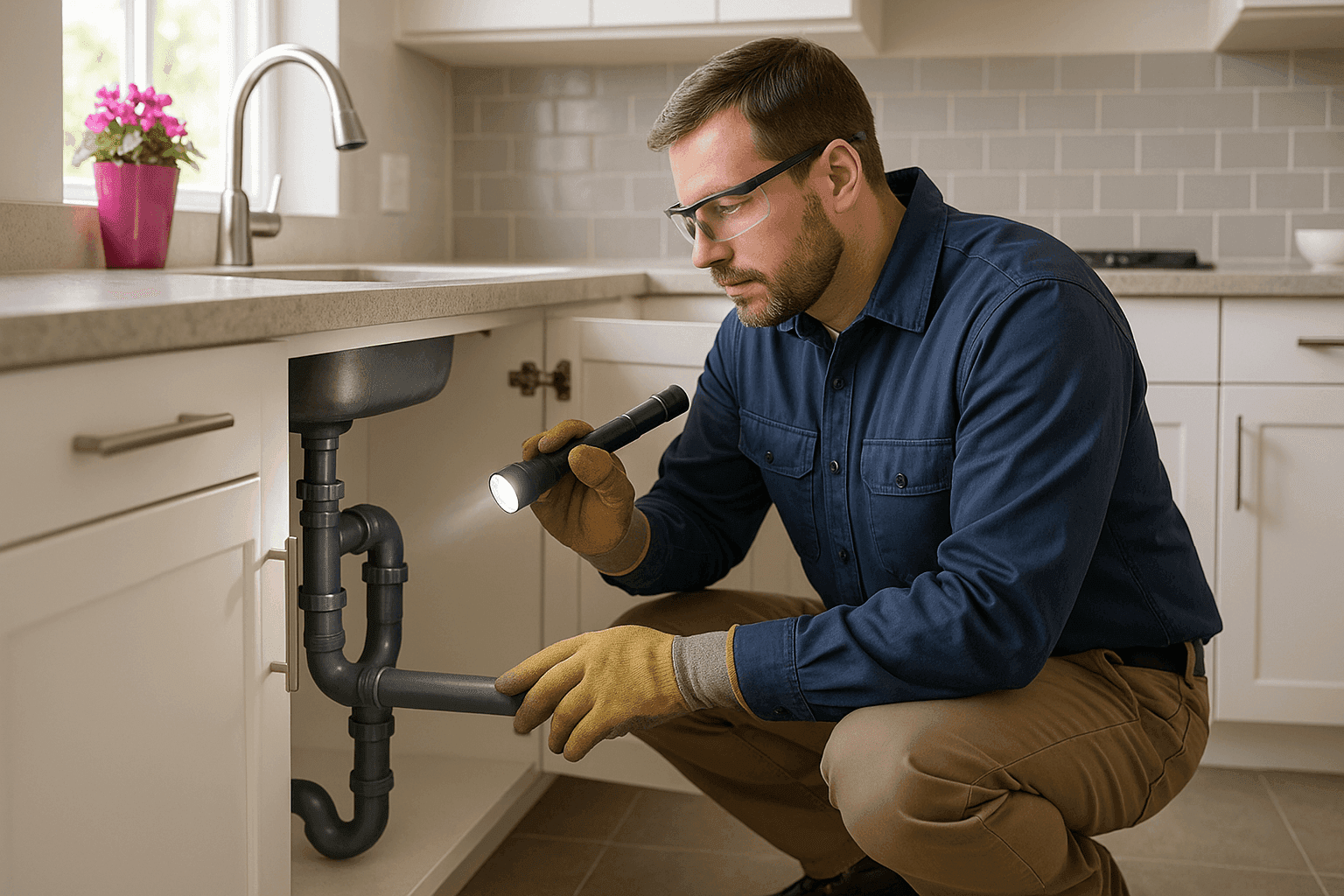
Is your kitchen trying to tell you something? The gurgling drain, the slow faucet, that tiny puddle under the sink—they’re whispers from your home's heart. Kitchen plumbing problems don’t wait for a convenient moment. When something goes wrong, it can feel overwhelming. The good news? Most issues start small. And with a little knowledge, you can spot—and sometimes prevent—them.
At Argos Plumbing, we believe that every homeowner deserves a clear, practical guide to the pipes and parts that keep your kitchen humming. Let’s break it down, step by step.
Overview of Kitchen Plumbing 🏠
Think of your kitchen plumbing system as a network of hidden highways. Water comes in, waste goes out, and in between, there’s a delicate dance of pipes, valves, and fixtures all working together. When one piece falters, the whole kitchen feels it. Whether it’s a leaky faucet or a stubborn clog, every component plays its part.
Here’s what matters most:
- Supply lines bring fresh water in.
- Drainage pipes carry waste out.
- Fixtures and valves control the flow and direction.
- Appliances—like dishwashers and garbage disposals—connect to these systems, adding complexity.
Understanding these basics makes it easier to spot trouble early.
Common Components: Sinks, Faucets, and Pipes
Your kitchen’s plumbing is more than just pipes behind a cabinet. Let’s break down the key players:
Sink
The sink is the stage where most kitchen plumbing drama unfolds. It’s the main hub for washing, rinsing, and draining. Underneath, you’ll find:
- P-trap: That curved pipe keeps sewer gases out of your home.
- Supply lines: Thin, flexible tubes that feed hot and cold water.
- Shut-off valves: These let you cut water to the sink in an emergency.
Faucet
Faucets are the hands of your kitchen plumbing. Modern designs are sleek but have small internal parts—washers, cartridges, aerators—that can wear out over time. A dripping faucet isn’t just annoying; it’s a sign something deeper could be wrong.
Pipes
Hidden behind walls and under floors, pipes do the heavy lifting. Most kitchens have a mix of:
- Copper, PEX, or PVC supply lines (each with pros and cons)
- ABS or PVC drain pipes
- Vents to equalize pressure and keep everything flowing smoothly
Appliances & Extras
- Dishwasher connections
- Garbage disposal units
- Water filtration systems
All these link back to your kitchen’s core plumbing. When one goes out of sync, the impact ripples across the whole system.
Signs of Issues: What to Watch For 👀
Kitchen plumbing isn’t silent. It gives clues when something’s off. Here are warning signs homeowners should never ignore:
- Slow drains: Water pooling in the sink or draining sluggishly could signal a clog or blocked vent.
- Persistent drips: Even a small leak wastes water and signals worn-out parts.
- Water stains or mold under the sink: These hint at hidden leaks.
- Unusual smells: Rotten egg or musty odors can mean a drain trap has dried out or there’s a deeper sewer issue.
- Low water pressure: Could be a sign of a clog, old pipes, or even a leak behind the walls.
- Strange sounds: Gurgling, banging, or whistling pipes usually mean trapped air or loose fittings.
Spotting these early gives you a head start—and can save a fortune down the road.
DIY Maintenance Tips
You don’t need a toolbox as big as a plumber’s van to keep your kitchen plumbing in good shape. Here are some routine habits and quick fixes any homeowner can handle:
- Clean drain stoppers and strainers weekly. Food scraps and hair are the usual suspects for clogs.
- Run hot water after each use. This helps flush out grease before it causes buildup.
- Use baking soda and vinegar monthly. Pour both down the drain, let sit, then rinse with hot water for a fresh, clear line.
- Check for leaks under the sink. Look for water, discoloration, or soft spots in the cabinet base.
- Tighten loose faucet handles or supply line nuts. But don’t overdo it—too tight can crack fittings!
- Know your shut-off valves. Practice turning them so you’re not fumbling during a leak.
Some fixes, like unclogging minor blockages or replacing faucet washers, are safe to try. But when in doubt—don’t force it. Water can be sneaky, and a small mistake can lead to a big mess.
For more on fixture fixes, see our Fixture Installation service page.
When to Call a Professional Plumber
There’s a time for DIY, and a time to call in the professionals. Here are red flags that shouldn’t wait:
- Water is pooling rapidly or flooding.
- Multiple drains clog at once.
- You find mold, mildew, or persistent dampness under the sink.
- You smell gas near your stove or dishwasher. (Leave the home and call for help immediately. Safety first!)
- You hear water running behind walls.
- You’ve tried a plunger or snake with no success.
Licensed plumbers carry specialized tools and, more importantly, know the local building codes and safety standards (check the International Plumbing Code or your state’s guidelines). Certain repairs, like repiping or gas line work, should never be attempted without proper training.
Need reliable Kitchen Plumbing near you? Argos Plumbing is ready to help.
Quick Safety Checklist ✔️
Plumbing issues can escalate quickly. Keep these safety tips in mind:
- Locate your main water shut-off valve. Everyone in the house should know where it is.
- Never use chemical drain cleaners with standing water—they can splash and burn.
- Turn off power before working near outlets, garbage disposals, or dishwashers.
- Use gloves when handling pipes or reaching into drains.
- If you smell gas, leave the area and contact your utility provider immediately.
- Don’t ignore small leaks—they rarely fix themselves.
Safety keeps your family and your home protected.
Prevention & Maintenance
You wouldn’t ignore a squeaky brake on your car. The same goes for your kitchen plumbing. A little prevention goes a long way:
- Schedule annual inspections. A pro can spot tiny leaks before they become major repairs.
- Replace old hoses and supply lines. Most last 5–7 years before they get brittle.
- Install strainers in all drains. Simple and cheap, they keep food and debris out of your pipes.
- Keep grease out of the sink. Pour it into a can, not down the drain.
- Flush your water heater annually. Sediment can build up and shorten its lifespan.
- Check for slow leaks using your water meter. Turn off all water, then check the meter—if it moves, you’ve got a leak.
Following these steps extends the life of your kitchen plumbing and helps avoid surprise repairs. For more on leak prevention, visit our Leak Repair service page.
Costs & Time Factors
Plumbing repairs come in all shapes and sizes. Some fixes are quick and affordable; others can take longer and require more parts or even permits.
- Simple repairs (like fixing a leaky faucet or clearing a minor clog) can often be handled in under an hour.
- Replacing pipes or major fixtures might take several hours—or longer if access is tight.
- Appliance hookups (like dishwashers or water filters) vary depending on the setup and age of your home.
Complex jobs (like repiping or dealing with hidden leaks) can take longer and cost more than you’d expect. Always ask for a clear explanation before work begins and watch out for issues that might need a follow-up visit.
When It’s an Emergency 🚨
Some situations can’t wait. If you experience any of the following, act fast:
- Burst pipes—Turn off your main water supply and call for help.
- Sewer backup—Stop using water and call a plumber immediately. This can be a health hazard.
- No water or no hot water—Could be a main line or heater issue.
- Gas smell or hissing near pipes—Evacuate and call emergency services.
Having Argos Plumbing on speed dial means you’re never alone when emergencies hit. Fast action can save your floors, cabinets, and peace of mind.
FAQ: Common Kitchen Plumbing Questions
Q: Why does my kitchen sink keep clogging even though I use a strainer?
A: Grease, soap, and tiny food particles can still sneak past strainers. Regular cleaning and hot water flushes help—but if you have recurring clogs, there may be a deeper blockage or a venting issue in the pipes.
Q: Is it safe to use chemical drain cleaners?
A: Most plumbers (and the EPA) recommend against them. Chemicals can damage pipes, harm the environment, and pose safety risks. Stick to mechanical methods (plunger or drain snake) or call a professional.
Q: How do I know if I have a leak behind the wall?
A: Watch for unexplained dampness, musty odors, or mold growth. Your water bill may also creep up. If you suspect a hidden leak, professional leak detection is your safest bet.
Q: When should I replace my kitchen faucet or pipes?
A: If you notice rust, persistent leaks, or your fixtures are over 15 years old, it might be time for an upgrade. Modern fixtures are more efficient and less prone to problems.
Local and Seasonal Considerations
Kitchen plumbing can face extra stress during holidays, big family gatherings, or cold snaps. In winter, pipes near exterior walls can freeze—leading to cracks or bursts. During summer cookouts, more food scraps and grease can make their way into the drains.
If you live in an older home, keep an eye on aging pipes and fixtures. Bristol, Rhode Island, for example, has many historic homes with unique plumbing challenges. Curious about local solutions? See Kitchen Plumbing for Bristol, Rhode Island.
For year-round peace of mind:
- Insulate exposed pipes before winter.
- Schedule seasonal checkups to spot potential issues early.
- Remind guests not to pour grease or fibrous foods (like celery) down the sink.
Final Thoughts
Your kitchen plumbing is the unsung hero of your home. When it’s working, nobody notices. When it’s not, everything grinds to a halt. Armed with these basics, you can spot small problems before they become disasters—and know when it’s time to bring in the professionals.
Call Argos Plumbing now — or reach us anytime at 844-484-9980 .