Water Pressure Issues: Causes and Solutions for Your Home
Have you ever stepped into the shower, only to be met with a disappointing trickle—or maybe a blast so strong it feels like a fire hose? Water pressure issues can sneak up on any household. They're more than a simple annoyance; they signal hidden plumbing problems that can grow worse if ignored.
At Argos Plumbing, we've seen it all. From sudden drops in pressure to pipes that groan under the strain, we help homeowners like you get back to comfort and safety without guesswork. Let's break down what causes water pressure problems, how to spot them, and what you can do—safely—before you need a professional hand.
Why Water Pressure Matters 🚰
Water pressure is the heartbeat of your home's plumbing. Too low, and everyday tasks—like rinsing dishes or running a load of laundry—drag on forever. Too high, and your pipes, fixtures, and appliances can wear out fast, leading to leaks or bursts.
Think of proper water pressure like the perfect faucet: not a gentle drizzle, not a wild geyser, but a steady, reliable stream. When pressure strays from that sweet spot, bigger headaches can follow:
- Slow-filling toilets and washing machines
- Sputtering faucets
- Banging or whistling pipes (water hammer)
- Leaks or pipe bursts
- Premature appliance failure
Ignoring these signs is like driving with the check engine light on—eventually, something will give.
Causes of Low or High Water Pressure
Water pressure problems rarely appear out of nowhere. They usually have a culprit lurking beneath the surface. Let's look at the most common causes Argos Plumbing sees in homes:
Low Water Pressure
- Hidden Leaks: Even a small leak can drain away water before it reaches your fixtures. Over time, leaks erode pipes and damage walls or floors.
- Old, Corroded Pipes: In older homes, years of mineral buildup inside pipes can choke water flow to a trickle.
- Faulty Pressure Regulators: These valves control the force of water entering your home. If they fail, pressure can drop suddenly—or spike.
- Clogged Fixtures or Aerators: Sometimes, the problem is right at the faucet. Sediment or debris can block screens and slow the flow.
- Municipal Supply Issues: Sometimes, the city supply itself is to blame (especially after maintenance or during high-demand periods).
High Water Pressure
- Failed Pressure Regulator: If your pressure-reducing valve (PRV) stops working, the full force of the municipal supply can rush into your pipes.
- Thermal Expansion: Water heaters can cause pressure to spike if expansion tanks or safety valves aren't working.
- City Supply Fluctuations: Sudden surges from city mains can send pressure soaring.
Other Causes
- Shared Plumbing Lines: If your neighbors use water heavily at the same time, you might feel the effects.
- Seasonal Changes: Cold snaps can cause pipes to contract or develop ice blockages, while hot weather can boost demand.
DIY Water Pressure Troubleshooting
Before you reach for the phone, there are a few safe steps you can take to narrow down the issue at home:
- Check All Fixtures: Is the problem isolated to one faucet, or is it everywhere? If it’s just one, clean the aerator or showerhead.
- Look for Visible Leaks: Check under sinks, around toilets, and along exposed pipes for drips or puddles.
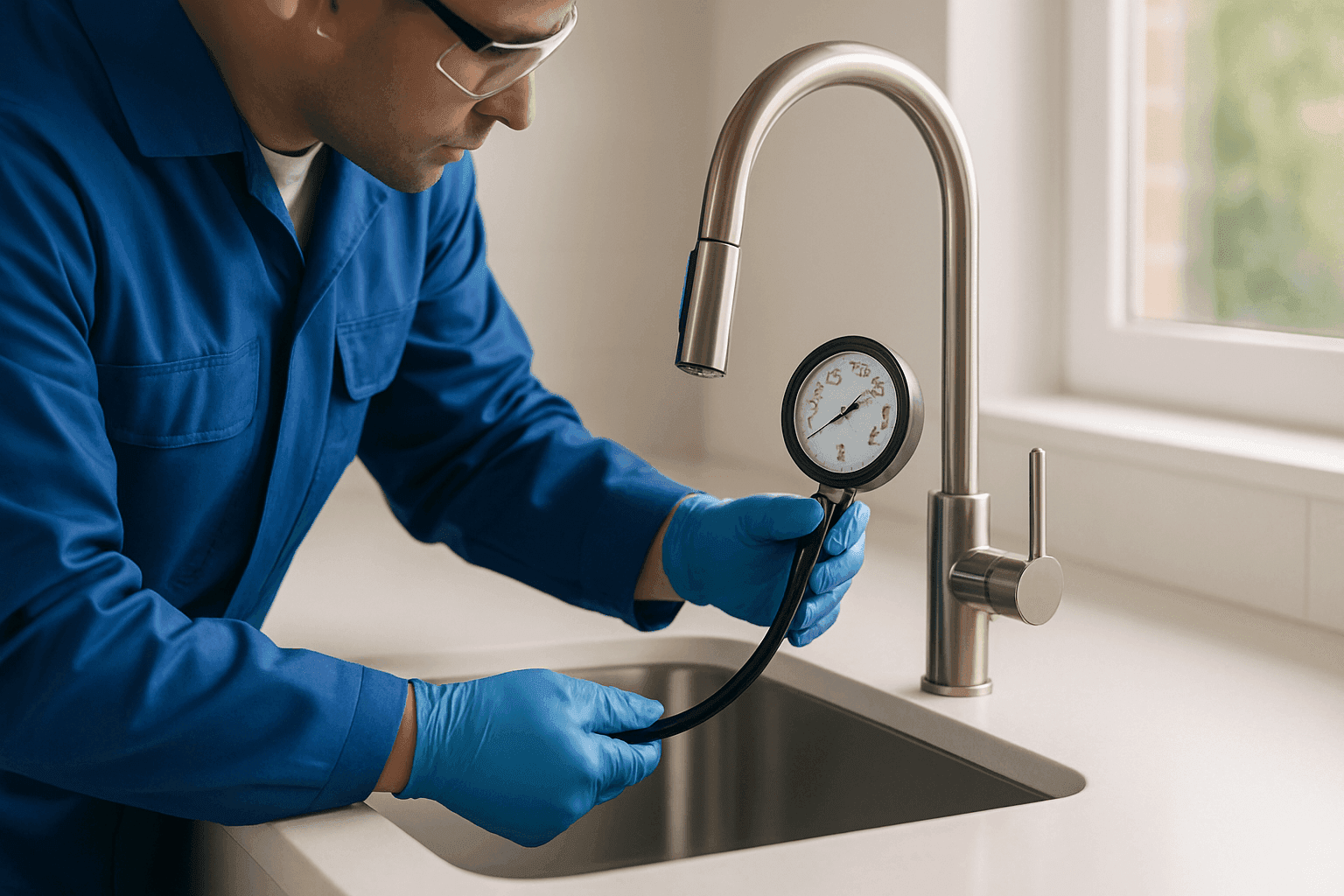
- Test Pressure: Pick up a simple pressure gauge from a hardware store. Attach it to an outside spigot and turn the water on. Normal pressure is typically between 40–60 psi.
- Ask Neighbors: Are they having similar issues? If so, the problem might be with the city supply.
- Check Shut-Off Valves: Make sure main valves are fully open—sometimes, after repairs, they’re left partway closed.
Safety Note: Never try to dismantle pipes or tamper with pressure regulators yourself—that's a job for a trained professional.
When to Call a Plumber
Some pressure problems can't (and shouldn't) be tackled with a wrench and good intentions. Here’s when to bring in Argos Plumbing:
- You find leaks in walls, ceilings, or floors.
- The pressure drops suddenly and doesn’t recover.
- Pipes make banging, clanging, or whistling noises.
- You notice rusty water, or water smells odd.
- DIY fixes haven’t improved the problem.
Ignoring these warning signs can risk major water damage—or even a burst pipe. Our team is ready for everything from pipe repair to full system inspections.
Long-Term Solutions for Water Pressure Problems
Solving water pressure issues means more than just a quick fix. Here’s how Argos Plumbing can help ensure lasting comfort and safety:
- Replace Old Pipes: Swapping out corroded or clogged pipes restores proper flow. In older homes, repiping can be a smart investment.
- Install or Repair Pressure Regulators: A working PRV keeps pressure steady and protects appliances.
- Water Filtration Systems: These can help prevent sediment buildup in pipes and fixtures.
- Regular Maintenance: Annual inspections catch small issues before they cause big problems.
- Backflow Prevention: Protects your water supply from contamination and pressure fluctuations.
We follow local building codes and the Uniform Plumbing Code (UPC) to keep your system safe and efficient.
Quick Safety Checklist 🛠
- Listen for new or unusual pipe noises.
- Watch for stains, puddles, or mold near plumbing lines.
- Test all fixtures—note which are weak or strong.
- Monitor your water bill for spikes (a hidden leak could be to blame).
- Never ignore sudden drops or surges in pressure.
DIY vs. Call a Pro
Trying to fix water pressure issues yourself can be tempting. Sometimes it works—sometimes it adds fuel to the fire. Here’s how to decide:
DIY Steps
- Clean or replace faucet aerators
- Tighten loose fixture connections
- Check visible shut-off valves
Call Argos Plumbing If:
- Pressure problems affect the whole house
- You suspect a leak inside walls or floors
- Pipes are old, rusty, or corroded
- You suspect a broken pressure regulator
- You need a new water heater, repiping, or major repairs
What Pros Do On Arrival
When you call Argos Plumbing, here’s what to expect:
- Pressure testing at key points in your system
- Leak detection using advanced tools (sometimes acoustic or infrared)
- Inspection of pressure regulators and main shut-off valves
- Checking for code violations or outdated components
- Clear, honest explanations of your options
No guesswork. No unnecessary upselling. Just answers and real solutions.
Prevention & Maintenance Tips
Keep water pressure issues at bay with these habits:
- Schedule annual plumbing inspections (especially before winter)
- Use water softeners or filtration to minimize mineral buildup
- Replace aging pipes before they become a problem
- Insulate exposed pipes to prevent cold-weather surges
- Don’t ignore slow drains—clogs can lead to pressure problems
Costs & Time Factors
Water pressure fixes range from a quick, affordable aerator cleaning to more involved jobs like repiping or pressure regulator replacement. Simple fixes (like clogs or aerator replacements) can take under an hour. Bigger projects (pipe repair, regulator installation) may take several hours to a full day.
The best way to keep costs down? Address problems early—before they turn into emergencies.
When It’s an Emergency 🚨
Call Argos Plumbing right away if:
- Water is gushing uncontrollably (shut off your main valve first!)
- You see water leaking from ceilings, walls, or floors
- Your water heater is hissing, leaking, or making loud noises
- The pressure drops to nothing, and you can’t restore it
Water damage moves fast. Acting quickly can save your home and wallet from serious harm. We offer "Emergency Plumbing near you" for urgent cases.
FAQ: Water Pressure Issues
Q: What’s normal water pressure for a home?
A: Typically 40–60 psi. Too high or too low can damage plumbing or appliances.
Q: Can pressure issues damage my water heater or dishwasher?
A: Yes. Both high and low pressure can shorten appliance lifespan and cause leaks.
Q: How do I know if I need new pipes?
A: Signs include rusty water, frequent leaks, or very low flow from multiple fixtures.
Q: Are water pressure problems covered by insurance?
A: That depends on the cause and your policy. Sudden, accidental pipe bursts are sometimes covered—chronic leaks from neglect, usually not.
Local & Seasonal Considerations
In areas like New Mexico, seasonal swings can stress plumbing. Cold snaps can freeze pipes and cause sudden drops in pressure, while summer heat increases demand. Hard water is common here, too—mineral buildup can sneak up faster than you think. If you need Water Pressure Issues near me in Rio Rancho, New Mexico, our team knows what to look for.
Final Thoughts
Water pressure issues aren’t just an inconvenience—they're a sign your plumbing needs attention. Whether you need help with a stubborn leak, a noisy pipe, or a full pipe repair, Argos Plumbing is here to help you get back to normal, fast.
Call Argos Plumbing now — or reach us anytime at 844-484-9980 .