Water Heater Repair or Replace? How to Make the Right Choice
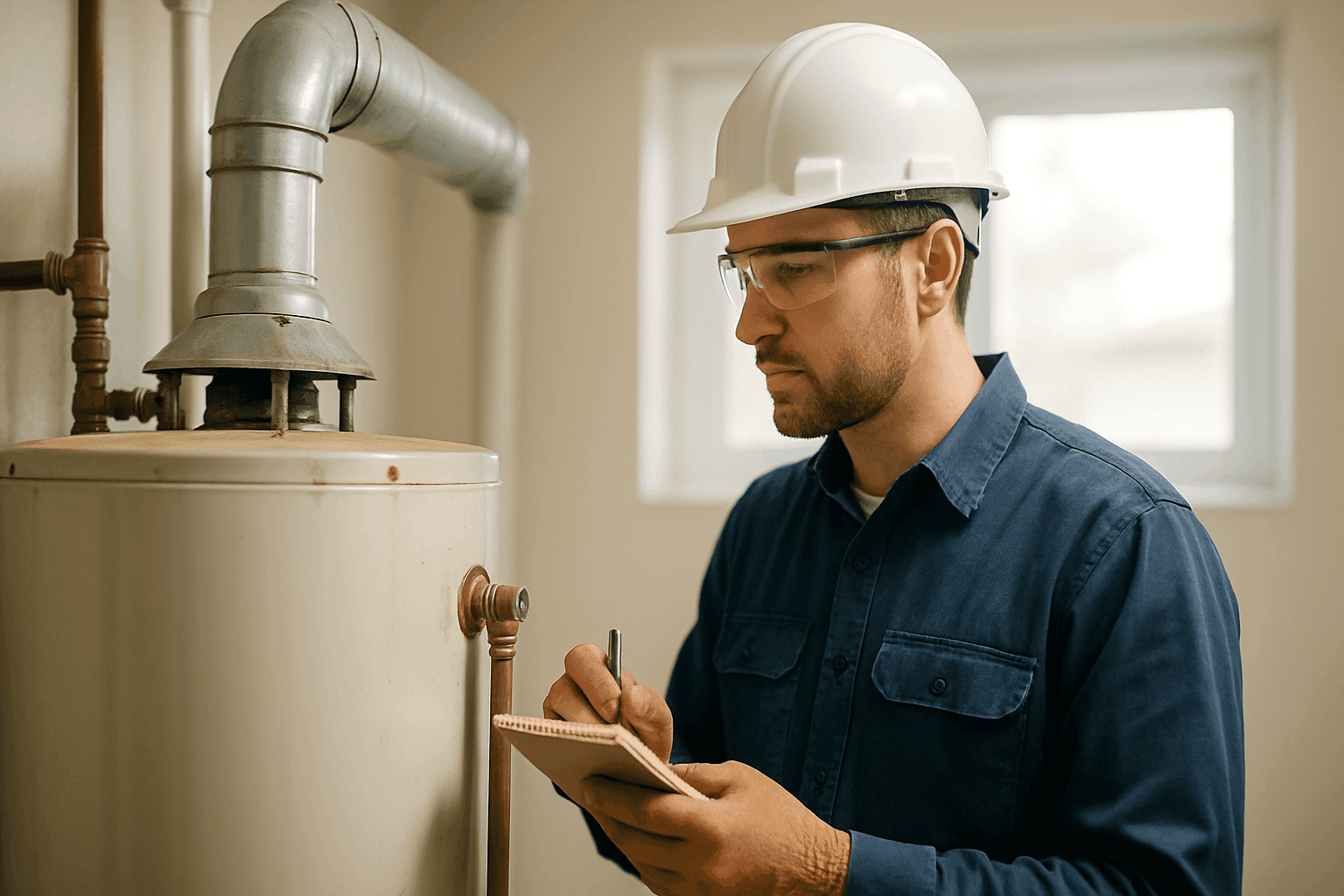
Is your water heater turning your morning shower into a shivering sprint? Or maybe there’s a strange knocking in the basement that sounds like a drumline warming up? We get it. At Argos Plumbing, we’ve seen how a moody water heater can throw off your whole day—and your whole home.
If you’re reading this, you’re probably wondering: “Should I repair my water heater, or is it finally time to replace it?” Let’s break it down together. No sales pitch. No guesswork. Just real-world advice, so you can make the call that’s right for your home and your wallet.
Signs Your Water Heater Needs Repair 🛠️
Water heaters rarely quit without warning. Usually, they drop hints—some subtle, some obvious. Watch for these signs:
- Inconsistent hot water: A morning shower that goes cold halfway through. Lukewarm water at the sink. If your hot water’s gone flaky, the heating element or thermostat might be at fault.
- Strange noises: Rumbling, popping, or banging can signal sediment build-up inside the tank. Think of it like pebbles rattling in a tin can.
- Water around the base: Puddles or drips below your heater could mean a leaky valve or loose connections. If it’s a crack in the tank itself, that’s a bigger issue.
- Rusty or discolored water: Rusty water often points to corrosion inside the tank or pipes. Not only is this unpleasant, but it can also damage appliances and stain laundry.
- Longer heat-up times: If you’re waiting longer for hot water, efficiency is dropping. The culprit could be mineral deposits or a failing heating element.
If you notice any of these, don’t ignore them. Small problems can snowball fast, especially in plumbing.
When to Replace Instead
Sometimes, repair just isn’t worth it. Here’s when replacement is usually the better bet:
- Age: Most traditional water heaters last 8–12 years. If yours is nearing (or past) that, replacement often saves money in the long run.
- Repeated repairs: If you’re calling for fixes more often—especially for leaks or heating issues—it’s like patching an old tire. Eventually, it’s time for a new one.
- Major leaks: A leaking tank almost always means replacement. Once the tank itself is compromised, repairs aren’t safe or cost-effective.
- Corrosion: Rust inside the tank is a red flag. Corroded water heaters are not only inefficient but can also become unsafe.
- Upgrades for efficiency: Newer models are far more energy-efficient. If your monthly bills are creeping up, a modern unit can pay for itself over time.
- Changing needs: Added a new bathroom? Kids moved out? Sometimes, your household just outgrows (or outshrinks) your old system.
Remember, a water heater isn’t like a pair of jeans you can keep patching forever. At some point, replacement is the smarter, safer choice.
Cost and Energy Savings Comparison
Money matters. Let’s take a clear-eyed look at costs—both immediate and long-term.
Repair Costs:
- Fixing a faulty thermostat, replacing a heating element, or tightening connections are usually affordable.
- Bigger issues (gas valve, extensive sediment, or electrical problems) add up fast.
- Frequent repairs add up even faster—think of it as “death by a thousand cuts” for your wallet.
Replacement Costs:
- Upfront, installing a new water heater is a bigger investment.
- But modern units are often 20–30% more efficient (according to U.S. Department of Energy guidelines).
- Lower energy bills can offset much of that cost over time—especially if you’re switching to a high-efficiency or tankless model.
Energy Efficiency:
- Old heaters waste energy, especially if they’re full of sediment or running constantly to keep up.
- Replacement lets you pick a model sized for your current needs—and your plumbing.
- Look for ENERGY STAR® ratings and check local code for required efficiency standards.
Tip: Always factor in the “hidden” costs of higher utility bills and repeated service calls when making your decision.
Professional Assessment Tips 📝
Not sure where you stand? Here’s how a professional plumber from Argos Plumbing can help you make the right call:
- Full inspection: We’ll check the tank, connections, and safety valves. We also test for leaks, corrosion, and code compliance.
- Efficiency check: Is your heater working harder than it should? We measure heat-up times and standby losses.
- Safety review: Gas and electrical checks matter. We follow local building codes and National Fuel Gas Code (NFPA 54) or National Electric Code (NEC) for all installations and repairs.
- Transparent options: We’ll lay out both repair and replace scenarios, with clear pros and cons.
When you’re unsure, a professional assessment can save you money—and headaches—down the line.
How to Avoid Unnecessary Expenses
Want to keep more money in your pocket? These homeowner strategies help:
- Act early: Address small issues before they become big ones. A $100 fix now beats a $1,200 replacement later.
- Annual maintenance: Flushing the tank, checking the anode rod, and inspecting for leaks can add years to your heater’s life. See our Preventative Maintenance page for more details.
- Know your unit’s age: Most water heaters have a manufacture date on the label. Keep track, so you’re not caught off guard.
- Match size to need: Oversized heaters cost more to run. Undersized ones work too hard and wear out faster.
What to Expect When You Call a Plumber
Not every plumbing issue is a DIY project. Here’s what happens when you call Argos Plumbing for Water Heater Repair:
- Arrival and assessment: We show up on time and ready to investigate. No guesswork—just a clear diagnosis.
- Clear communication: You’ll get honest advice, not upsells. If repair is best, we’ll make it happen. If replacement is smarter, we’ll explain why.
- Safety first: All work is performed to code, with gas and electrical checks included.
- Final walk-through: We show you what was done and share tips for future care.
Repair vs. Replacement: Quick Reference
Here’s a handy way to frame your decision:
- Repair if: Your heater is under 8 years old, first-time problem, minor leak, or easy part swap.
- Replace if: Over 10–12 years old, extensive corrosion, tank leak, or repeated failures.
When in doubt, get a pro’s opinion. It’s better than crossing your fingers and hoping for the best.
Practical Tips for Homeowners 🏡
- Check for leaks monthly: Even a small puddle can spell trouble.
- Flush your tank once a year: Removes sediment and keeps things running smoothly (see your owner’s manual).
- Test the pressure relief valve: A quick, careful test prevents dangerous pressure build-up.
- Insulate pipes and the heater: Especially in colder months to save energy.
- Install a water filtration system: Keeps mineral build-up in check, extending heater life. Ask about our Water Filtration Systems.
Frequently Asked Questions
How long should a typical water heater last?
Most traditional tank-style water heaters last 8–12 years. Tankless units can go 15–20 years with proper care.
Can I repair my water heater myself?
Some minor fixes (like relighting a pilot light) are DIY-friendly. But for leaks, electrical, or gas issues, always call a licensed plumber.
Does a new water heater really save money?
Yes—new models are more efficient, so you’ll pay less each month. Plus, fewer repairs.
What’s the most common water heater problem?
Sediment build-up is a big one. It causes noise, slow heating, and can lead to leaks if left unchecked.
Local/Seasonal Considerations
Cold winters and hard water can shorten your water heater’s lifespan. In Vermont, for example, sudden temperature swings put extra stress on plumbing. If you’re searching for “Kitchen Plumbing near you” or seasonal maintenance tips, remember that regular checkups (especially before winter) are a smart move.
When snow starts to fall, make sure your heater and pipes are insulated. A little prep now means fewer emergencies later.
Still unsure whether to repair or replace your water heater? Don’t let a cold shower make the decision for you. Call Argos Plumbing now — or reach us anytime at 844-484-9980 . We’ll help you find the best path forward—no pressure, just honest answers.