Water Heater Installation: Preparation and What to Expect
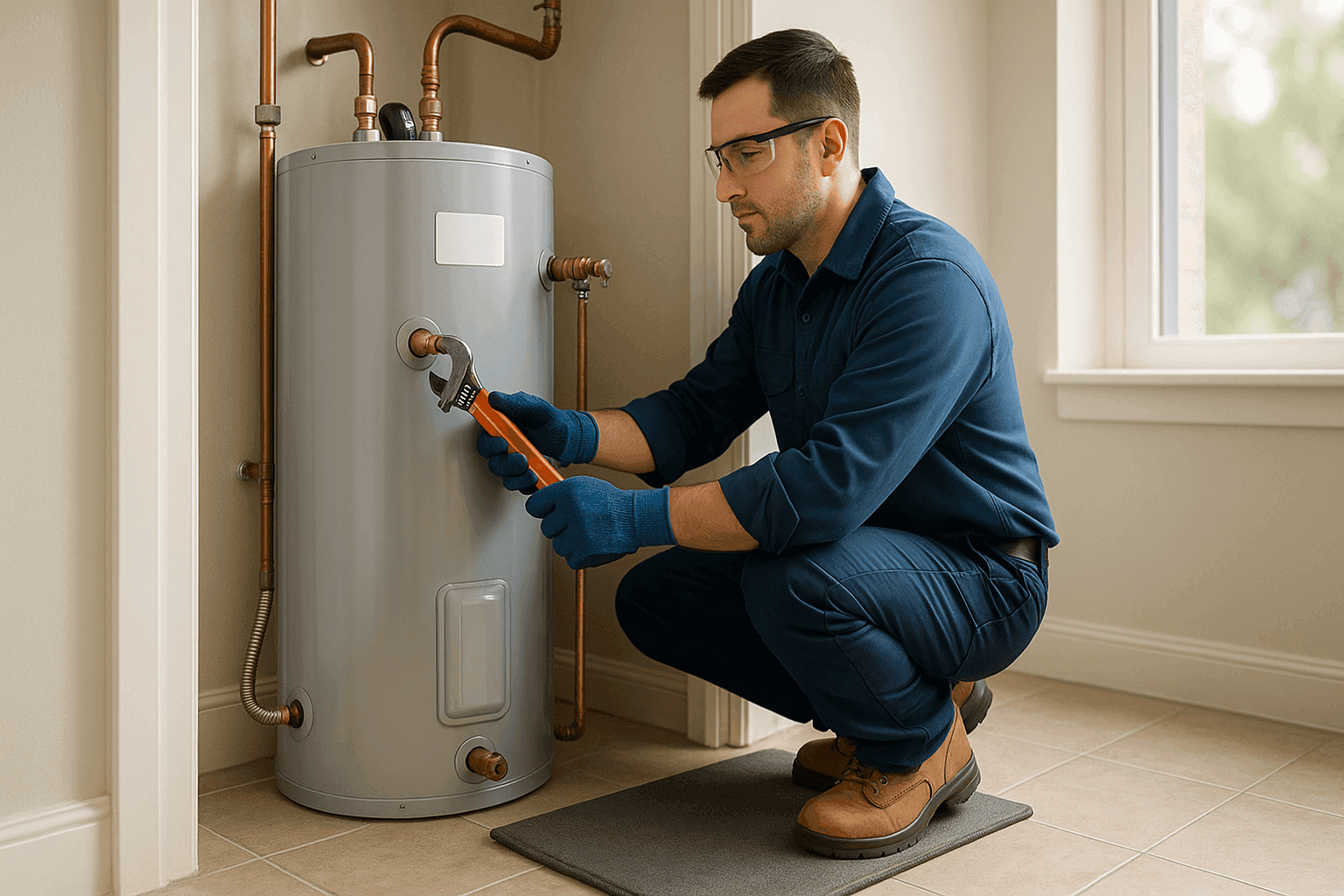
Picture a chilly morning. You turn the faucet, expecting a warm stream—and instead, you’re greeted by ice-cold water. If your water heater’s on its last legs, you’ll feel it fast. For homeowners, getting a new water heater isn’t just another to-do; it’s the key to comfort, safety, and peace of mind.
At Argos Plumbing, we know the path to a successful water heater installation feels daunting. Our team handles everything from gas line installation to leak repair, but today, we’re focusing on helping you understand the process from start to finish. Here’s what you need to know—no surprises, just real preparation.
When to Replace Your Water Heater 🛠️
A water heater is a bit like an old coffee maker—it works fine, until one day it just doesn’t. But there are warning signs:
- Age: Most units last 8–12 years. If yours is older, it’s likely time.
- Rusty water: Brown or rusty water from taps often means corrosion inside the tank.
- Noisy operation: Rumbling or banging? Sediment has built up, causing strain and inefficiency.
- Leaks: Any pooling under the tank spells trouble.
- Inconsistent temps: Water that runs hot, then cold, then hot again—your unit’s struggling.
If you’re noticing any of these, it’s wise to consider replacement. The last thing you want is a surprise cold shower or, worse, a flooded basement.
Pre-Installation Checklist
Before a new water heater arrives, a little preparation goes a long way. Here’s what to do:
- Clear access: Make sure the path to the unit is open. Remove boxes, laundry, or storage items blocking the way.
- Know your shut-offs: Locate your main water and gas shutoffs. Your plumber will need quick access.
- Pets and kids: Keep them clear of the workspace for safety.
- Electrical outlets: If your heater is electric, ensure outlets are accessible and in good shape.
- Documentation: Locate manuals, warranties, or receipts from the old unit if you have them.
If you’re unsure about any step, your plumbing technician can guide you through.
Installation Process Explained
What actually happens on installation day? Here’s the step-by-step:
1. Arrival and Assessment
Your Argos Plumbing technician will inspect the old unit, connections, and installation site. They’ll double-check access to water, gas, and power.
2. Safety First
Before any work begins, the system is shut down—water and fuel lines off, circuit breakers switched if needed. This is non-negotiable for safety. The National Fire Protection Association (NFPA) and local building codes require it.
3. Removing the Old Unit
Tank drained. Lines disconnected. Your technician will carefully haul away the old water heater, watching for any water or gas leaks as they go.
4. New Unit Installation
Here’s where the magic happens:
- Water and gas (or electrical) lines are inspected, repaired, or replaced as needed.
- New connections are made, with checks for tight seals and correct alignment.
- The tank is positioned according to code—never crammed into a corner or blocking emergency exits.
- If required, expansion tanks or updated venting are added to meet modern safety standards.
5. Testing and Cleanup
With everything connected, your plumber will fill and test the tank, bleeding air from lines and checking for leaks. Hot water runs through your taps before cleanup begins, leaving your space tidy.
Post-Install Maintenance
A new water heater is like a car—it needs care to perform its best. Here’s how to keep things humming:
- Annual flush: Sediment builds up over time. Flushing the tank yearly prevents noise, corrosion, and efficiency loss.
- Check the anode rod: This part attracts corrosion, protecting your tank. Replace every 2–3 years.
- Temperature settings: 120°F is plenty hot for most homes—saves energy and prevents scalds.
- Watch for leaks: A quick visual check every few months can catch small problems before they grow.
Refer to your manufacturer’s manual and always follow local building codes. The U.S. Department of Energy offers guidelines for efficient water heater use and maintenance.
Avoiding Common Mistakes 🚫
Water heater installation isn’t a weekend craft project. Here’s what can go wrong:
- Improper venting: Gas units need correct venting to prevent carbon monoxide buildup—a serious hazard.
- Wrong size unit: Too small, and you’re out of hot water. Too large, and you’re wasting energy.
- Faulty connections: DIY connections can leak or fail, costing you more in repairs.
- Code violations: Every municipality has rules about placement, venting, and clearances. Permits and inspections aren’t optional.
- Skipping safety checks: Gas leaks, electrical hazards, and water pressure problems can result from rushing the job.
Hiring licensed plumbing professionals ensures these risks are handled before they become disasters. For related needs, see our water heater repair service.
The Risks of DIY vs. the Value of Professional Installation
It’s tempting to tackle plumbing projects yourself. But installing a water heater is more like rewiring your house than painting a room. The U.S. Consumer Product Safety Commission reports thousands of incidents a year from improper installation—fires, burns, even explosions.
A professional brings:
- Experience: Years of hands-on work.
- Tools: Specialized gear for safe, leak-free connections.
- Code knowledge: Up-to-date understanding of local requirements.
- Warranty protection: Many manufacturers require pro installation to honor warranties.
If you want peace of mind and a safe home, call a licensed plumber.
Code Compliance and Safety
Building codes exist for a reason—to keep you and your family safe. Water heaters must be installed with proper venting, clearances, earthquake straps (where required), and approved materials. The International Association of Plumbing and Mechanical Officials (IAPMO) sets the standard. Inspections aren’t just paperwork; they’re your safety net.
What to Expect from Pros on Arrival
When an Argos Plumbing technician arrives, expect:
- Friendly, professional introductions.
- Shoe covers and tarps to protect your floors.
- A thorough walk-through of the job.
- Upfront answers to your questions—no jargon, no guesswork.
- Full cleanup, so your home looks as good as we found it.
We’ll also explain any permits or inspections needed, and handle scheduling if required.
Preventative Maintenance Tips
Want your new water heater to last? Here’s what you can do:
- Schedule a yearly plumbing checkup—think of it like a physical for your house.
- Install a water filtration system to reduce sediment and mineral buildup.
- Don’t ignore small leaks or odd noises; address them early.
- If you’re in a colder climate, insulate pipes around your heater to prevent heat loss.
For ongoing maintenance, Argos Plumbing offers preventative maintenance services.
Costs & Time Factors
Every home is different, and so is every installation. Here’s what affects time and cost:
- Type of heater: Gas, electric, tankless, or traditional—all have different requirements.
- Location: Tight spaces or difficult access may mean more labor.
- Code updates: Older homes may need venting or pipe upgrades.
- Disposal fees: Hauling away an old unit isn’t always included.
Most installations take 2–6 hours. Costs vary, but remember: cutting corners on installation can lead to much bigger bills down the road.
When It’s an Emergency
A burst water heater is a true plumbing emergency. If you see water flooding, hear hissing, or smell gas, act fast:
- Shut off water and power/gas immediately.
- Call a plumber—don’t wait.
- Move belongings away from the area to prevent further damage.
For urgent help, see Water Heater Installation help in Pocatello, Idaho.
FAQ
How long does a water heater installation take?
Most jobs are done in half a day. Complicated setups may take longer, especially if code upgrades are needed.
Do I need a permit for water heater installation?
In most areas, yes. Permits ensure work is inspected for safety and code compliance. Your plumber will handle the paperwork.
Can I reuse my old pipes and connections?
Sometimes, but if they’re worn or outdated, replacing them is safest. Your technician will advise you.
What temperature should I set my new water heater to?
120°F is safe and energy-efficient for most households, reducing risk of scalding and saving on bills.
Local and Seasonal Considerations
If you live in a colder climate, insulate pipes and heater tanks to prevent freezing and heat loss. Hard water? Consider a filtration system to reduce mineral buildup and extend your heater’s life. In older homes, updating venting or drainage may be necessary to meet current codes.
Ready for reliable hot water—and a worry-free installation? Call Argos Plumbing now — or reach us anytime at 844-484-9980 .