Water Heater Installation Costs: Gas vs. Electric
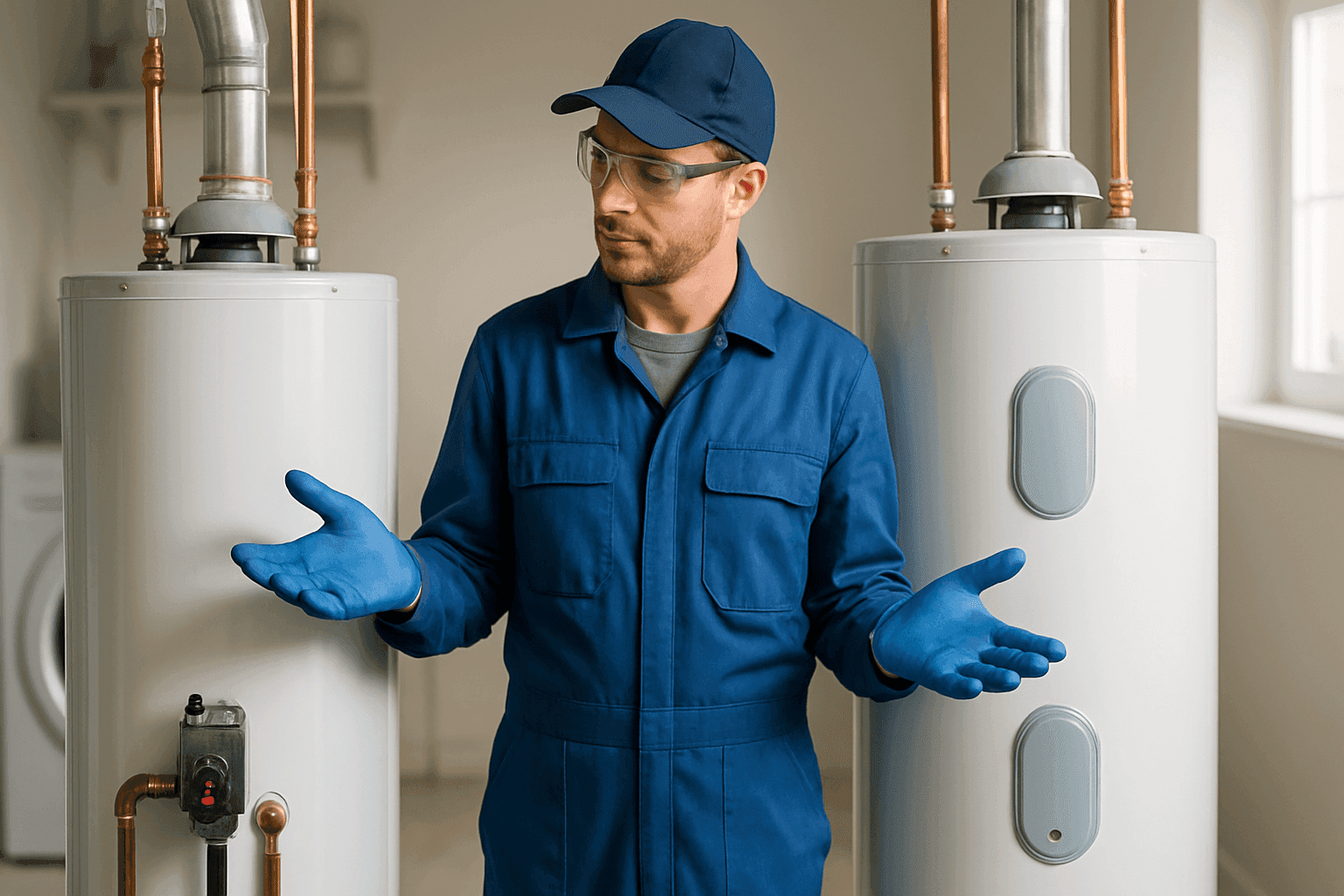
If your morning shower is turning into a freezing cold sprint, or your utility bills are marching higher every month, it might be time to look into a new water heater. At Argos Plumbing, we know how overwhelming it can feel to weigh the options—especially when it comes to cost.
Homeowners like you want clear answers. Not just sticker prices, but a breakdown of what really matters: installation, efficiency, and which system fits your life. Let’s sort through the numbers and get you the information you need to make a confident choice.
Average Installation Costs (Gas vs. Electric) 💡
When it comes to water heater installation, the price tag is like an iceberg—there’s more beneath the surface than you might expect. Both gas and electric models have their own set of costs.
Gas Water Heater Installation
- Typically, a gas unit costs more up front to install than an electric one.
- You’ll pay not just for the heater but for safe gas line hookups and sometimes venting or flue work.
- National averages (according to HomeAdvisor and Energy.gov) put total installed costs between $1,200–$2,800 for a standard tank model.
Electric Water Heater Installation
- Usually less expensive to install—fewer moving parts, no gas hookup.
- Expect installation costs to range from $900–$2,100 for a standard tank unit.
- Tankless electric heaters can cost more, but installation is often simpler.
What’s Included in Installation?
- Delivery and proper placement of the unit
- Connection to water supply and power (or gas) lines
- Removal and disposal of your old heater
- Safety checks and code compliance
Don’t forget: Upgrades, like expansion tanks or seismic bracing, can add to the total. Local code requirements (from the International Association of Plumbing and Mechanical Officials, for example) may also affect what’s needed.
Factors Affecting Price
The final bill for your water heater installation isn’t just about the unit itself. It’s like baking bread—ingredients matter, but so does technique, time, and the little extras.
Key Factors:
- Type and size of heater: Bigger tanks or tankless units usually cost more.
- Location in your home: Hard-to-reach basements or attics may need extra labor.
- Upgrades to plumbing or electrical systems: Old or undersized lines might need replacement.
- Permits and inspections: Most cities require these for water heater work.
- Disposal fees: Hauling away an old, heavy tank isn’t free.
Bonus tip: If you’re switching from electric to gas (or vice versa), expect additional costs for new lines and venting.
Energy Efficiency Considerations ⚡
Choosing a water heater isn’t just about today’s price tag. It’s also about how much you’ll pay over the years for hot water.
Gas Heaters:
- Generally heat water faster.
- Newer models can be efficient, but older ones lose heat through standby loss (like a leaky thermos).
- Look for high-efficiency models certified by ENERGY STAR®.
Electric Heaters:
- Often have lower upfront costs and are easier to install.
- Heat pump electric models use much less electricity—think of them as the hybrid cars of water heaters.
- Less heat loss, but can be slower to recover hot water after heavy use.
Bottom line: The most efficient systems might cost more at first but save you money in the long run. Annual operating costs can differ by $100–$200 or more, depending on your local utility rates.
How to Choose the Right Heater
Picking the right system is like finding the best pair of shoes—you need the right size, style, and fit for your daily life.
Consider:
- Household size: More people mean more hot water.
- Usage patterns: Do you run multiple showers or appliances at once?
- Available space: Tankless units are compact; tanks need room.
- Fuel availability: Do you already have natural gas, or just electricity?
- Budget for both installation and long-term costs.
Pro tip: If you’re unsure, talk to a licensed plumber. A quick home assessment can save you from cold surprises later.
Practical Tips for Homeowners 🛠️
- Always check your local plumbing code before starting any installation.
- If you smell gas or notice water leaks, turn off the supply and call for help—don’t risk it.
- Schedule regular water heater maintenance to extend its life and efficiency.
- If you’re changing fuel types, check with your local utility provider for possible rebates on efficient models.
Frequently Asked Questions
How long does a typical water heater last?
Most standard tank water heaters last 8–12 years. Tankless models can last up to 20 years with proper maintenance.
Do I need a permit for installation?
Yes, most municipalities require a permit for new water heater installation. This ensures your system meets safety and plumbing codes.
Is DIY installation safe?
Water heater installation involves electricity, gas, and high-pressure water—mistakes can be dangerous. It’s always safer (and often required by law) to hire a licensed professional.
What’s the difference between repair and replacement?
Minor leaks or faulty thermostats can be repaired. But if your tank is rusted, leaking, or the heater is past its lifespan, replacement is usually the smarter choice. See our Water Heater Repair page for more information.
Local and Seasonal Considerations
Live in an area with hard water? You may need a water softener or regular descaling to protect your new heater. Cold climates can mean longer recovery times for electric units. And during winter, demand on your system may spike—plan for a model that can keep up.
If you’re looking for Water Heater Installation near me in Rosenberg, Argos Plumbing offers a full range of water heater services and unbiased advice to help you choose the right fit.
A new water heater is a big investment, but the right choice will keep your showers warm and your bills low for years to come. If you have questions or want to schedule an estimate, Call Argos Plumbing now — or reach us anytime at 844-484-9980 .