Unclogging Toilets: Safe Steps Every Homeowner Can Try
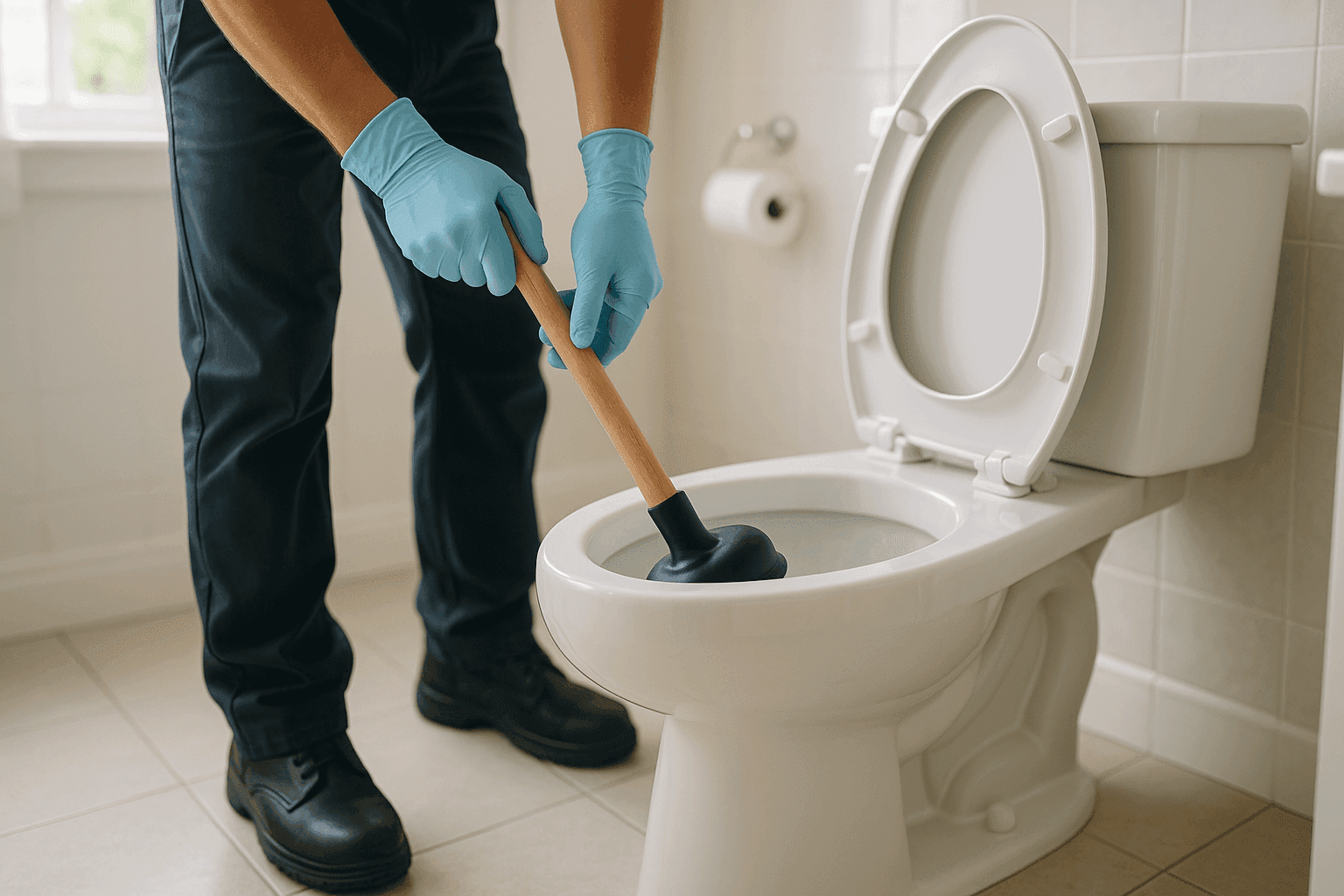
There’s a sinking feeling that comes with the sight of a rising waterline in your toilet bowl. Panic sets in. Visions of water spilling over the rim flash before your eyes. Maybe you’re trying to fix it yourself, but you don’t want to make things worse. At Argos Plumbing, we understand how urgent—and embarrassing—these moments can feel.
The good news? Many toilet clogs are minor and can be tackled safely at home. With the right approach, you’ll avoid common mistakes and know exactly when it’s time to call for backup.
Why Toilets Clog 🚽
Toilets are designed to handle waste and toilet paper, but sometimes life gets in the way:
- Flushing too much paper at once
- Accidental drops (kids’ toys, wipes, feminine products)
- Low-flow or older model toilets
- Build-up from hard water or minerals
Like a traffic jam in your home’s plumbing highway, a clog blocks the flow and can create bigger problems if not addressed quickly.
Safe Unclogging Tools
Before you dive in, make sure you have the right tools for the job. Skip the harsh chemicals—they can eat away at pipes or create dangerous fumes (as cautioned by the U.S. Environmental Protection Agency). Stick to these basics:
- Plunger (flange-style for toilets)
- Toilet auger (also called a closet auger)
- Rubber gloves
- Old towels or rags (for quick clean-up)
Never reach for chemical drain openers—they’re more like a bull in a china shop than a skilled fix.
Step-by-Step Plunging
Plunging is the first and safest step for most clogs. Here’s how to do it right:
- Stop the overflow: If the water level is high, remove the tank lid and gently push down the flapper (the rubber valve at the bottom). This stops more water from entering the bowl.
- Position the plunger: Make sure it covers the hole completely. A tight seal is key.
- Gentle first push: Start with a slow push to force out any trapped air. You don’t want a splash zone.
- Steady plunging: Use firm, rhythmic plunges—about 10–20 times. Imagine you’re coaxing the clog, not hammering it.
- Test the flush: If the water drains away, try a single flush. If it’s still slow, repeat or move to the next step.
If the bowl fills but won’t drain after a few tries, don’t keep flushing. That’s just asking for a flood.
When to Try an Auger 🛠️
If the plunger isn’t cutting it, a toilet auger (a flexible, crank-handled tool) can reach deeper clogs. Here’s what to do:
- Insert the auger’s end into the toilet drain.
- Gently crank the handle to feed the cable forward.
- You’ll feel resistance when you reach the clog—keep turning, but don’t force it.
- Once you break through or hook the clog, slowly retract the auger.
- Plunge again and test the flush.
Augers are like fishing lines for your pipes—they can catch hidden blockages that plungers can’t reach.
When to Call a Pro
Not every clog is a simple fix. Here’s when to pick up the phone and call Argos Plumbing:
- Water is backing up into showers, sinks, or tubs (could be a main line issue)
- You’ve tried plunging and augering with no luck
- Strange gurgling sounds or persistent foul odors
- Recurring clogs (more than once a month)
- You notice water pooling around the toilet base
Trying to force a solution can damage pipes, the wax ring, or even flood your bathroom. It’s not worth the risk or extra cost in repairs.
If you think the clog is deeper in your home’s plumbing or on the main line, it’s best to get a professional inspection. Our team is ready to help with safe, thorough toilet repair and unclogging-toilets services.
Safe Steps Recap
Let’s bulletproof your process:
- Never use chemical drain openers in toilets
- Always wear gloves and protect your floors
- Don’t keep flushing if water isn’t draining
- Use a plunger first, then an auger if needed
- Stop and call a plumber if you see backflow or flooding
Preventing Future Clogs 🛡️
A little prevention goes a long way. Follow these simple habits:
- Only flush waste and toilet paper—no wipes, cotton balls, or hygiene products
- Remind kids (and guests) what not to flush
- Regularly check for slow drains or gurgling sounds
- Schedule annual plumbing check-ups, especially if you’ve had issues before
The International Association of Plumbing and Mechanical Officials (IAPMO) recommends routine inspections and maintenance for older plumbing systems.
FAQs
How do I know if the clog is in the toilet or the main line?
If only one toilet is clogged, it’s likely local. If multiple drains are slow or backing up, it could be a main line issue.
Are chemical drain cleaners safe for toilets?
No. They can damage pipes, harm septic systems, and risk personal safety. Stick to mechanical methods.
How long should I try to plunge before calling a plumber?
If 10–20 solid plunging attempts don’t help, and the clog remains after one or two auger tries, it’s time to call a professional.
Can I prevent clogs with store-bought additives?
Most additives aren’t recommended—some can harm your pipes or septic system. Prevent with good habits instead.
Local and Seasonal Considerations 🌧️
In areas prone to heavy rain or rapid temperature swings, sewer lines and plumbing can face extra stress. Sump pumps and backflow prevention devices should be checked regularly. If you’re looking for Unclogging Toilets near me or reliable Kitchen Plumbing near you, Argos Plumbing is just a call away.
The Bottom Line
Dealing with a clogged toilet doesn’t have to be a disaster. With the right approach—and knowing your limits—you can fix minor issues quickly and avoid larger problems. For stubborn clogs, backflow, or recurring trouble, reach out to the people who fix pipes day in and day out.
Call Argos Plumbing now — or reach us anytime at 844-484-9980 .