Unclogging Toilets: Professional vs. DIY Methods
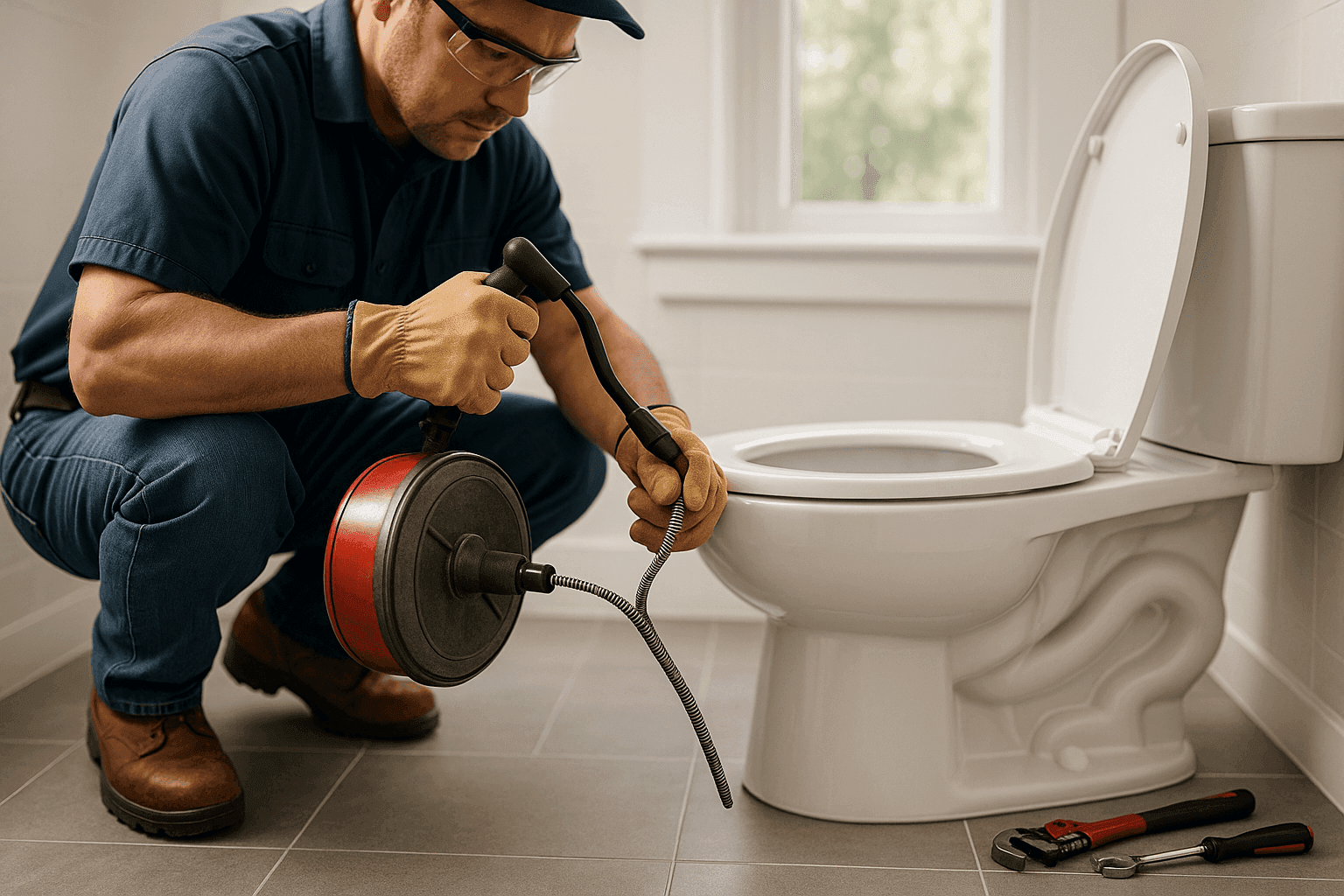
Is there anything more frustrating than a toilet that just won’t flush? One moment, you’re going about your day; the next, you’re staring at a rising tide in the bowl, hoping it stops just in time. No one wants to deal with the mess, the smell, or the stress. But every homeowner faces this challenge sooner or later.
At Argos Plumbing, we know the headaches—and the hazards—that come with unclogging toilets. Some clogs are simple and safe to tackle on your own. Others demand a professional touch. Knowing the difference can save you time, money, and a whole lot of trouble.
When DIY Methods Work 🛠️
Sometimes, a quick fix is all you need. If your toilet is draining slowly or is just lightly clogged, the classic plunger is your best friend. Think of it like a first-aid kit for your bathroom—simple, effective, and always good to have on hand.
DIY unclogging makes sense when:
- The water level is still below the rim.
- You haven’t flushed multiple times (which risks overflow).
- There’s no sign of water backing up elsewhere (like sinks or tubs).
- There are no strange gurgling sounds in other drains.
Common DIY tools include:
- Cup plunger (for toilets, not flat sink plungers)
- Toilet auger (a basic hand-crank snake)
- Hot water and dish soap (to soften minor blockages)
A gentle approach is key. Never use sharp objects or harsh chemicals, as these can damage your pipes or the toilet itself.
Professional Tools and Techniques
When home remedies fail, plumbers bring out the big guns. Professional-grade augers, high-pressure water jets, and inspection cameras turn guesswork into precision.
A plumber’s toolkit for stubborn clogs may include:
- Motorized drain snakes that reach deep into the pipes
- High-pressure hydro jetting for severe or recurring blockages
- Video inspection cameras to pinpoint the problem
- Specialized tools to extract foreign objects or tree roots
These tools aren’t just fancier versions of what you have at home—they’re designed to solve clogs without damaging your plumbing or causing bigger problems down the line. For major backups, recurring issues, or when you suspect something more serious (like a broken pipe), a professional is the safe bet.
Learn more about our toilet repair service.
Risks of DIY Unclogging ⚠️
DIY unclogging can feel empowering. But it’s a little like fixing a car with duct tape—sometimes it works, often it doesn’t, and occasionally it makes things worse.
Potential risks:
- Overflow and water damage: One wrong flush can lead to a flood.
- Pipe damage: Improper tools or too much force can crack porcelain or break seals.
- Health hazards: Sewage contains harmful bacteria. Gloves and eye protection are a must.
- Escalation: A “simple clog” could be a symptom of deeper sewer line trouble.
The International Association of Certified Home Inspectors (InterNACHI) and the Uniform Plumbing Code recommend caution: persistent clogs, foul odors, or water coming up in other drains are red flags for bigger issues.
When in doubt, step back and call in a pro. It’s always better to be safe than sorry.
Cost and Time Comparison
Let’s get real—most people reach for the plunger because it’s cheap and fast. A few minutes of elbow grease, and you’re back to your day. But DIY isn’t always the bargain it seems.
DIY Costs:
- Plunger: $5–$20
- Auger: $20–$40
- Cleaning supplies, gloves, and your time
Professional Costs:
- Service fees vary, depending on severity and time of day
- Emergency or after-hours calls may cost more
Time Factors:
- Minor DIY fixes: 10–30 minutes
- Professional service: 30–90 minutes (including diagnosis)
But here’s the thing—if a DIY attempt fails, you may end up paying more to fix a bigger mess. Water damage or a cracked toilet adds up quickly.
How to Prevent Future Clogs 🧻
The best way to handle clogs is to stop them before they start. Prevention is worth a pound of plunging!
Tips for a clog-free toilet:
- Only flush toilet paper and waste—never wipes, paper towels, or hygiene products
- Keep a trash can handy for “no flush” items
- Don’t overuse thick toilet paper
- Teach kids what not to flush (toys are a common culprit)
- Schedule regular plumbing checks, especially in older homes
For stubborn or recurring issues, consider a preventative maintenance plan.
When It’s Time to Call a Pro
Some situations call for immediate help. Don’t wait if:
- Water is overflowing or won’t stop rising
- Clogs keep coming back
- You notice sewage smells, gurgling, or backups in other fixtures
- You’re unsure what’s causing the problem
A professional plumber can quickly find the root cause and stop damage from spreading.
Looking for help nearby? See Unclogging Toilets near me in New Rochelle.
Frequently Asked Questions
What if plunging doesn’t work?
Try a toilet auger—a hand-crank snake designed for toilets. If that fails, turn off the water supply and call a plumber.
Are chemical drain cleaners safe?
These products can damage your pipes and harm the environment. Most plumbing codes and experts recommend avoiding them.
How do I know if the problem is in the main sewer line?
If multiple fixtures (like sinks, tubs, and toilets) are slow or backing up, the clog may be in your main line. Call a plumber for a proper inspection.
How soon should I call for help?
If basic DIY steps don’t clear the clog, or if you notice water damage, call a plumber right away to prevent bigger problems.
Local and Seasonal Considerations 🌧️
In older homes or during rainy seasons, clogs can be more common. Tree roots, soil movement, and heavy rainfall can all impact your sewer lines. If you live in an area with older pipes or frequent storms, regular inspections and maintenance are especially important.
The Bottom Line
Unclogging toilets is a fact of life for homeowners. Sometimes, a plunger and a little patience are all you need. Other times, a professional plumber is the safest, fastest way to restore order—and protect your home.
If you’re facing a stubborn clog or just want peace of mind, Argos Plumbing is here to help. We handle everything from quick fixes to deep-rooted plumbing problems, so you don’t have to worry.
Call Argos Plumbing now — or reach us anytime at 844-484-9980 .