Ultimate Guide to Kitchen Plumbing Upgrades for Homeowners
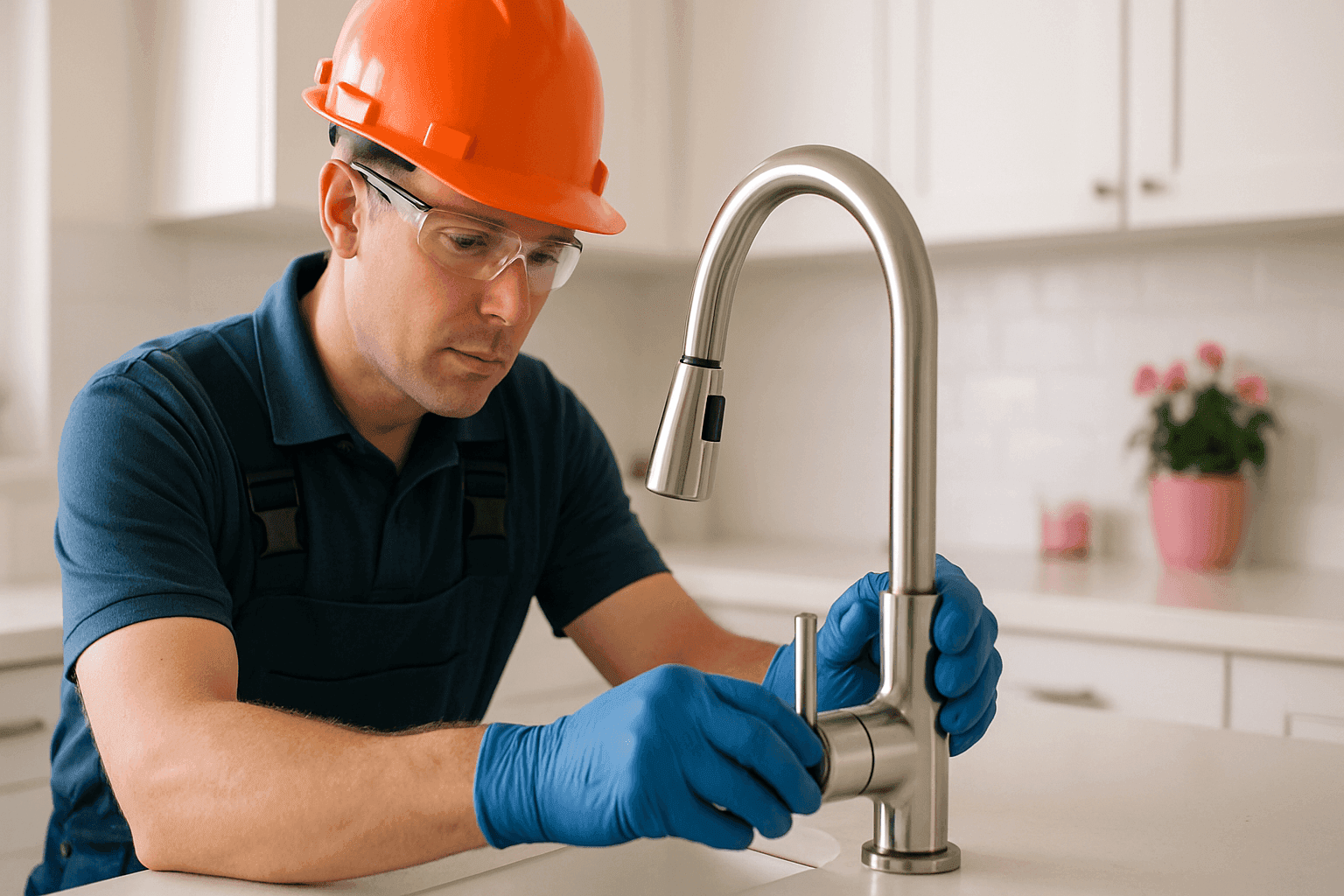
Has your kitchen ever felt stuck in the past? Maybe the faucet squeaks, the sink drains like molasses, or there’s a mystery drip you can’t track down. Small issues can pile up, quietly draining your time, money, and patience.
At Argos Plumbing, we know a kitchen upgrade is more than just new fixtures. It’s a chance to reclaim comfort, efficiency, and peace of mind in the heart of your home.
Assessing Your Current Kitchen Plumbing 🛠️
Before you dive into shiny catalogs or scroll through endless online options, start with a clear-eyed assessment. Like a detective searching for clues, look for:
- Water stains or warped cabinets. Signs of hidden leaks.
- Slow drains or standing water in the sink.
- Low water pressure from taps or sprayers.
- Rust or discoloration on pipes and connections.
- Frequent clogs or odd gurgling sounds when draining.
Walk through your kitchen and jot down what’s not working as it should. If you notice any persistent issues, these may hint at underlying problems that a simple upgrade won’t solve—like corroded pipes or aging shut-off valves.
Inspecting Beneath the Surface
Don’t forget to check under the sink. Feel for dampness, look for mold, and inspect the supply lines and shut-off valves. Is there any flex in the pipes? Any signs of amateur repairs (think duct tape or odd clamps)? These are flags that it’s time to take action.
Popular Upgrade Options: Faucets, Sinks, and Disposals
Kitchen plumbing upgrades don’t have to mean a full gut renovation. Sometimes, swapping out a tired faucet or adding a disposal can transform your space. Here are the upgrades homeowners ask about most:
Modern Faucets
- Pull-down and pull-out sprayers: Perfect for rinsing veggies or tackling dirty pots.
- Touchless or motion-activated models: More hygienic, especially with sticky hands.
- Water-efficient aerators: Reduce waste without sacrificing pressure.
Sinks
- Deep single-basin sinks: Great for washing big pans.
- Undermount or farmhouse styles: Sleek and easy to clean.
- Sound-deadening insulation: Less clatter from running water.
Garbage Disposals
- Continuous feed: Easy to use for busy kitchens.
- Batch feed: Safer for families with kids—won’t run unless the stopper is engaged.
- Quiet operation models: Reduce kitchen noise.
Upgrading these fixtures often means a simple installation, but underlying plumbing may need updates to meet current codes. Always check for compatibility with your home’s water lines and drainage.
When to Replace vs. Repair
One of the toughest calls for homeowners is knowing when to repair a fixture—and when to replace it. Here are some general guidelines:
- Replace: If your faucet or disposal is over 10–15 years old and giving you trouble, replacement is usually more cost-effective than frequent repairs.
- Repair: If you’re dealing with a single, isolated problem on a newer unit (like a leaking faucet cartridge or a jammed disposal), a repair may be all you need.
- Upgrade: If you’re already opening walls or cabinets for another project, it’s smart to replace aging pipes or valves at the same time.
For pipes, rust and pitting are warning signs. For anything gas-powered (like certain water heaters or ranges), err on the side of safety—call a licensed plumber for inspection.
Choosing Water-Efficient Fixtures 🚰
Today’s kitchen fixtures can save water without skimping on performance. The EPA’s WaterSense label is a smart place to start. Water-efficient faucets and aerators can cut usage by up to 30%, lowering your bills and helping the environment.
Look for:
- Faucets with a flow rate of 1.5 gallons per minute (gpm) or less.
- Dishwashers and disposals designed for low-water operation.
- Sinks with sloped basins for quick, complete draining.
Always check with your plumber to ensure new fixtures match your home’s plumbing capacity and local codes.
Professional vs. DIY Considerations
It’s tempting to tackle a kitchen upgrade yourself. After all, how hard can swapping a faucet be? Sometimes, it’s a breeze. Other times, it’s like opening a can of worms.
DIY might work if:
- You’re replacing a fixture with the same type and size.
- Shut-off valves and supply lines are in good shape.
- You’re comfortable with basic tools and instructions.
Call a professional if:
- Pipes are corroded or don’t match standard sizes.
- There are signs of leaks behind walls or under floors.
- You’re installing a new gas line or making changes to venting.
A licensed plumber brings more than just tools—they know code, spot trouble before it starts, and can recommend quality materials that last. For homeowners searching for Kitchen Plumbing near me in Rexburg, professional help is never far away.
Maintenance Tips for Lasting Performance 🧰
Once your new fixtures are in, a little care goes a long way. Here’s how to keep things running smoothly:
- Check for leaks monthly. Look under the sink, behind appliances, and around shut-off valves.
- Clean aerators and sprayers every few months to prevent buildup.
- Run cold water through your disposal before and after use to clear waste.
- Don’t use chemical drain cleaners. They can corrode pipes and void warranties; opt for enzyme-based options instead.
- Schedule a yearly inspection with a licensed plumber to catch small issues before they grow.
Signs You Need a Kitchen Plumbing Upgrade
How do you know it’s time to invest in new kitchen plumbing? Watch for these red flags:
- Persistent leaks that keep returning after repairs.
- Water pressure drops or fluctuates.
- Discolored water from taps (rusty or cloudy).
- Musty odors from under the sink or in cabinets.
- Frequent clogs or slow drains, even after cleaning.
- Visible corrosion on pipes, valves, or fixtures.
If you’re seeing any of these, it’s worth having a professional inspection. Early upgrades can prevent bigger headaches (and higher costs) down the road.
Selecting Quality Materials and Fixtures
Think of your kitchen plumbing like the foundation of a house. Cheap or mismatched parts can cause trouble for years to come. Here’s how to choose well:
- Stick with reputable brands for faucets, disposals, and valves.
- Insist on solid brass or stainless steel for pipes and fittings, especially in high-use areas.
- Check for third-party certifications (like WaterSense or NSF) for safety and efficiency.
- Ask your plumber about warranty coverage for both labor and materials.
Avoid shortcuts. Saving a few dollars now can cost you much more in future repairs.
Avoiding Common Installation Mistakes
Even small missteps can lead to big problems. Watch for:
- Over-tightening connections, which can crack fixtures or strip threads.
- Skipping plumber’s tape on threaded joints, leading to leaks.
- Improper venting for drains, causing slow flow or sewer smells.
- Not leveling sinks or faucets, resulting in pooling water and wear.
A seasoned plumber will check for all these—and more—during installation.
The Long-Term Benefits of Hiring a Licensed Plumber
When you hire a licensed plumber, you’re paying for peace of mind. They know local codes, carry insurance, and have the experience to spot trouble before it becomes a crisis.
Benefits include:
- Proper installation that meets building codes (see the Uniform Plumbing Code, UPC, for standards).
- Access to professional-grade materials not sold in big box stores.
- Full testing and inspection for leaks, pressure, and function before the job is finished.
- Documentation for home insurance and future resale value.
Shortcuts might save money today, but a quality installation protects your home—and your wallet—for years.
Planning Your Kitchen Plumbing Upgrade
Ready to start your project? Here’s a smart approach:
- List your needs and wants. What absolutely must be fixed? What would make your kitchen easier to use?
- Set a budget. Include a buffer for surprises.
- Schedule a plumbing inspection. A pro can flag hidden problems and recommend upgrades.
- Choose fixtures and materials. Look for water efficiency, durability, and warranty support.
- Book installation with a licensed plumber for peace of mind.
- Plan for maintenance. Mark your calendar for regular checks.
Remember, a thoughtful plan today means fewer headaches tomorrow.
Related Plumbing Upgrades for a Safer, More Efficient Home
While you’re focusing on the kitchen, ask your plumber about related upgrades that can boost comfort and safety throughout your home:
- Fixture installation for bathrooms and laundry rooms.
- Leak detection and pipe repair for hidden issues.
- Water filtration systems for cleaner, better-tasting water.
- Backflow prevention devices to protect your water supply.
A holistic approach ensures every part of your plumbing supports healthy, efficient living.
FAQ: Kitchen Plumbing Upgrades
How long does a typical kitchen plumbing upgrade take?
Most straightforward fixture swaps (like a faucet or disposal) can be completed in a few hours. Larger projects, such as repiping or sink relocation, may take a day or more.
Are permits required?
Local codes vary, but major upgrades—especially those involving gas lines or structural changes—often require permits and inspection. Your plumber can advise you on local requirements.
Can I upgrade plumbing in an older home?
Absolutely. However, older homes may have unique challenges (like non-standard pipe sizes or outdated materials) that require special care.
What’s the average lifespan of kitchen plumbing fixtures?
Quality faucets and disposals often last 10–15 years with proper maintenance. Pipes can last much longer, but may need replacement sooner in corrosive water conditions.
Kitchen Plumbing Upgrades: The Takeaway
Upgrading your kitchen plumbing is more than a quick fix—it’s an investment in your home’s comfort, safety, and value. By choosing the right fixtures, using quality materials, and working with a licensed plumber, you’ll enjoy years of smooth operation and peace of mind.
If you’re searching for Kitchen Plumbing near you or want to discuss your next project, our team is here to help.
Call Argos Plumbing now — or reach us anytime at 844-484-9980 .