Toilet Repair Troubleshooting: Fixing the Most Common Problems
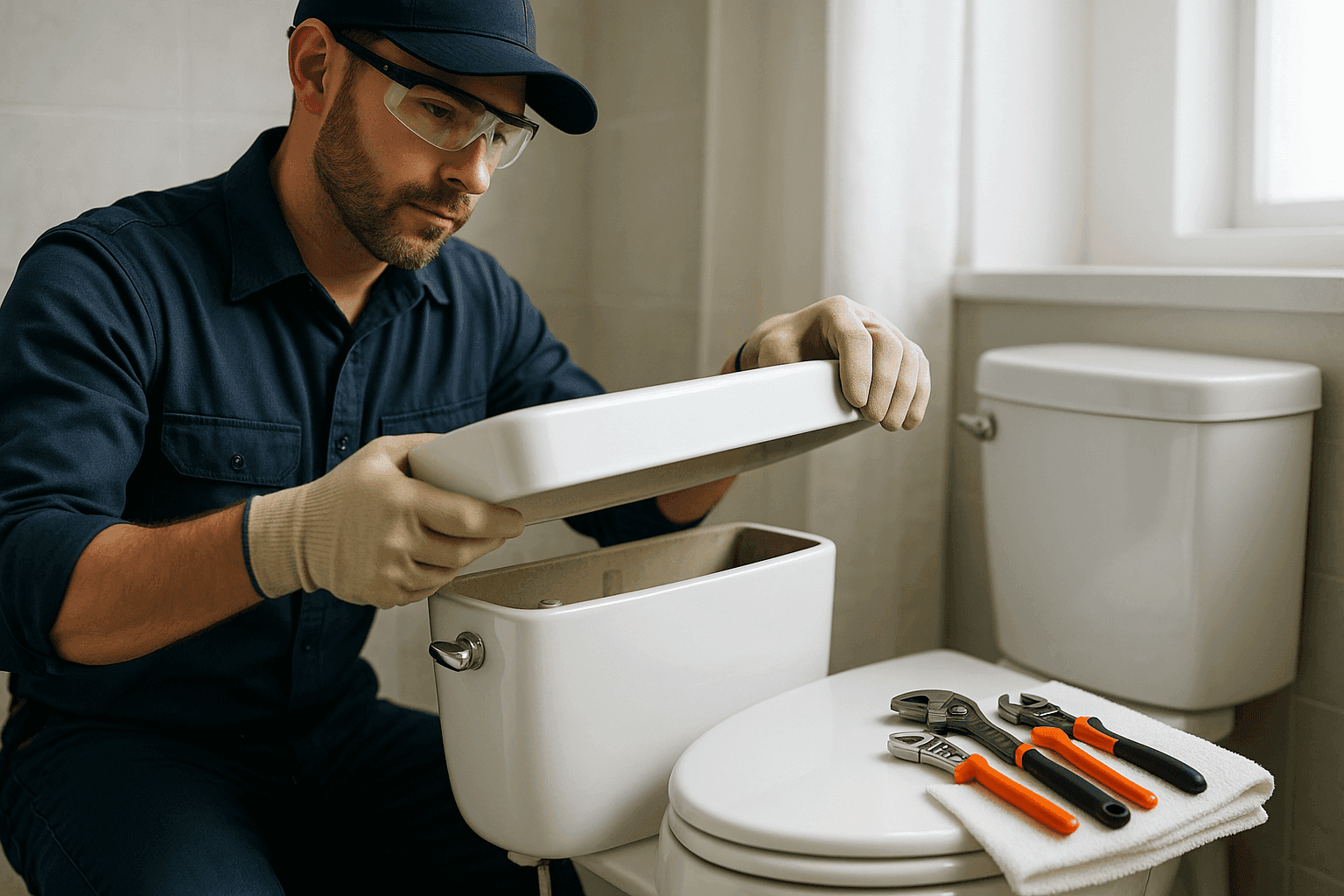
Toilet trouble never waits for a good time. One minute, everything’s fine—the next, you’re dealing with a stubborn clog, a mysterious leak, or a flush that just won’t stop running. It feels overwhelming, especially when you’re not sure what the issue is or how serious it might be.
At Argos Plumbing, we've seen it all. Whether it's a minor annoyance or a full-blown emergency, understanding the basics can help you know what to try yourself—and when to call for professional help.
Overview of Toilet Problems 🚽
Toilets are workhorses, quietly doing their job day after day. But, like any hardworking appliance, they can run into trouble. Here are the most common issues homeowners face:
- Running toilets: Water keeps flowing into the bowl or tank, wasting gallons daily.
- Clogs: Slow drains, overflows, or a complete block—sometimes caused by too much paper or the wrong items flushed.
- Leaks: Water on the floor, tank, or around the base—a sign something’s up with seals or connections.
- Weak flush: The toilet doesn’t empty fully, or the bowl fills sluggishly.
- Strange noises: Gurgling, whistling, or banging after flushing.
These problems can range from quick fixes to issues that require a pro’s touch. Knowing what you’re seeing—and hearing—gives you the upper hand.
Diagnosing Running Toilets, Clogs, and Leaks
Let’s break down the most frequent toilet headaches, one step at a time.
Running Toilet
- Symptoms: Tank refills constantly, water trickles, or you hear a hissing sound.
- Likely causes: Faulty flapper, misaligned float, worn-out fill valve.
Clogged Toilet
- Symptoms: Water rises too high, drains slowly, or overflows.
- Likely causes: Excess paper, non-flushables, or deeper drain issues.
Leaky Toilet
- Symptoms: Water on floor, dampness around base, or tank sweating.
- Likely causes: Worn wax ring, loose bolts, cracked tank, or supply line failure.
Quick Safety Checklist
Before you grab the plunger or wrench, pause. Toilets are simple, but water damage is not. Safety first:
- Turn off the water supply (look for the shut-off valve behind the toilet).
- Don’t use electrical devices near pooled water.
- Wear gloves—toilet water isn’t clean.
- Keep kids and pets away from the work area.
- If you smell gas (rare, but possible in homes with combined bathroom gas lines), leave the area and call for help right away.
For more on safe plumbing practices, check resources like the Uniform Plumbing Code.
DIY Fixes: What You Can Try
Some fixes are well within a homeowner’s reach. Here’s how to tackle the most common toilet issues:
Running Toilet
- Lift the tank lid. Check if the flapper is sealing properly. If not, adjust or replace it.
- Check the float. If it’s set too high, water overflows into the overflow tube. Adjust the float arm or cup.
- Inspect the fill valve. If the valve is hissing or leaking, a replacement might be needed.
Clogged Toilet
- Use a plunger. Place it over the drain hole and push with a firm, steady motion.
- Try a toilet auger. For stubborn clogs, a hand-crank auger can break up debris.
- Never use chemical drain cleaners. They can damage pipes and the environment.
Leaks
- Tighten bolts. If water seeps from the tank-to-bowl connection, gently tighten bolts.
- Check the supply line. Make sure fittings are snug.
- Replace the wax ring if water leaks from the base—a bigger job, but possible with some DIY skills.
Tip: If you’re unsure, watch a trusted video from a reputable plumbing association or consult your toilet’s manual.
When to Call a Plumber
DIY can only go so far. Here’s when to put down the tools and pick up the phone:
- Water keeps leaking after basic fixes
- Clogs return frequently, or nothing moves after plunging
- Cracks in the tank or bowl
- You notice water and sewage smells—this may signal a sewer line issue
- The shut-off valve is stuck or broken
We’re here when you need us for Toilet Repair near me or Unclogging Toilets.
What Pros Do On Arrival
A licensed plumber brings experience, tools, and safe solutions. When Argos Plumbing arrives, here’s what to expect:
- Assessment: We examine the toilet, check water pressure, and look for hidden leaks.
- Testing: Dye tests for leaks, camera inspection for deep clogs, and checks for worn parts.
- Repairs: We replace faulty hardware, reseal connections, and ensure everything is up to code.
When bigger problems arise—like sewer line issues or water heater malfunctions—we’ve got the skills and tools to handle those too.
Prevention & Maintenance
A little care goes a long way. Here’s how to keep toilet troubles at bay:
- Only flush waste and toilet paper. Wet wipes, dental floss, and hygiene products can cause clogs.
- Check for leaks monthly. A few drops of food coloring in the tank—if it appears in the bowl, you’ve got a leaky flapper.
- Tighten connections. Inspect supply lines and bolts a few times a year.
- Don’t ignore slow drains. Early attention prevents bigger problems.
For full-home plumbing health, consider Preventative Maintenance.
Costs & Time Factors
Toilet repairs can be quick—sometimes a 15-minute fix, others may take a couple of hours. Costs depend on:
- Parts needed: Flappers and fill valves are inexpensive, while tank replacements cost more.
- Severity: Minor adjustments are fast; full replacements or leak repairs take longer.
- Hidden issues: Underlying pipe or sewer line problems can increase both time and cost.
Remember, delaying small fixes often leads to bigger headaches (and expenses) down the road.
When It’s an Emergency
Sometimes, what starts as a minor annoyance can turn into a crisis:
- Water flooding the bathroom
- Sewage backing up into the toilet or tub
- The only toilet in the house won’t flush
In these cases, shut off the water supply and call Argos Plumbing for emergency service. Quick action protects your home from costly water damage.
FAQ: Common Toilet Repair Questions
Q: Why does my toilet keep running?
A: Most often, it’s a worn flapper or a misadjusted float. Both are easy to check and replace.
Q: Can I use a chemical drain cleaner for clogs?
A: It’s not recommended. These products can corrode pipes and harm septic systems. Stick to plungers or an auger.
Q: How do I know if the leak is serious?
A: If water is pooling at the base or you see cracks, it’s best to call a plumber. Small leaks can hide big problems.
Q: Is it safe to try repairs myself?
A: Many are safe with basic tools and caution. If you feel uncertain, call for help—it’s what we’re here for.
Local & Seasonal Considerations
In our region, seasonal changes can cause pipes to contract and expand, leading to leaks or shifts in toilet seals. After a cold snap, check around your toilet for moisture or unusual sounds. If you’re away on vacation, turn off the water supply to avoid surprises.
For trusted Kitchen Plumbing near you, or any bathroom fix, Argos Plumbing is ready to help.
Toilet issues don’t have to derail your day. Whether you’re tackling a quick fix or facing a bigger problem, you have options—and Argos Plumbing is always just a call away.
Call Argos Plumbing now — or reach us anytime at 844-484-9980 .