Sump Pump Maintenance: Prevent Basement Flooding Year-Round
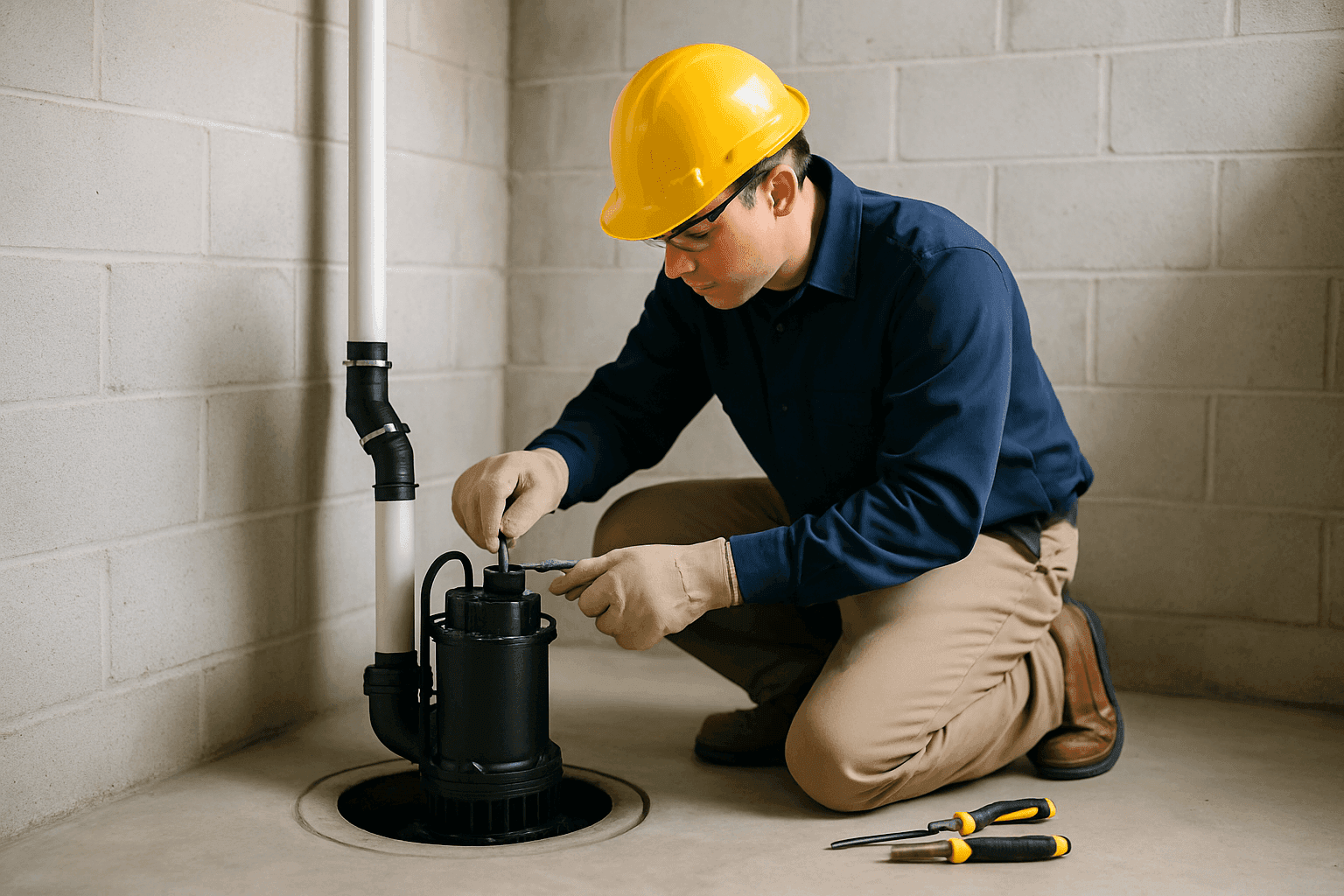
Is your basement your family’s rainy day retreat? Or does it become a swamp the moment storms roll in? At Argos Plumbing, we get it—water in your home is stressful, and sump pump failure turns a nuisance into a nightmare.
A well-maintained sump pump is silent insurance. It keeps your home dry and your peace of mind intact, season after season. Let’s break down why regular sump pump care is essential—and how you can keep floods out of your home for good.
Why Sump Pump Maintenance Is Vital 🛡️
Imagine your sump pump as the goalie for your home’s foundation. Without it, groundwater seeps in, and suddenly your basement is a pond. Most homeowners only think about their pump when water starts rising. By then, it’s too late.
Sump pumps shield your house from stormwater, melting snow, and plumbing leaks. They work hardest when you need them most—so neglect isn’t an option. According to the International Association of Certified Home Inspectors (InterNACHI), routine testing can double the lifespan of your pump and slash flood risk.
Regular maintenance means:
- No surprise breakdowns during storms
- Lower risk of mold, mildew, and costly repairs
- Reliable protection for valuables, memories, and your home’s structure
Cleaning and Testing Steps
Sump pumps are simple machines, but dirt and debris can choke them quickly. Here’s how to keep yours humming:
Seasonal Checklist
- Spring & Fall: Unplug the pump and remove the cover. Scoop out any mud, gravel, or debris from the pit.
- Float Check: Lift the float arm gently—does the pump kick on? If not, it’s time for troubleshooting.
- Discharge Line: Make sure the pipe leading outside is clear. Blockages here mean water has nowhere to go.
- GFCI Outlet: Pumps should use a ground-fault circuit interrupter. Test the outlet to avoid electrical mishaps.
- Backup Power: If you have a battery or water-powered backup, test it now. Power outages often strike during storms.
Quick Test Run
Pour a bucket of water into the pit. The pump should activate and drain everything swiftly. If it labors, rattles, or stalls, call for sump pump repair near you.
Signs of Wear
Sump pumps aren’t built to last forever. Like sneakers after a marathon, they show signs of fatigue:
- Strange noises: Grinding, clanging, or screeching means worn bearings or a jammed impeller.
- Frequent cycling: If the pump turns on and off rapidly, the float switch or check valve may be shot.
- Stale smells: Funky odors mean stagnant water, a clogged pit, or even hidden leaks.
- Visible rust or corrosion: This can signal internal damage or electrical trouble.
- Pump runs but doesn’t move water: The motor may spin, but a blocked intake or broken part keeps water in the pit.
If these show up, don’t ignore them. Early repairs save you from bigger headaches later.
Backup Systems
Storms don’t ask for permission. Neither do power outages. That’s why sump pumps need a safety net.
Types of Backups
- Battery Backups: A deep-cycle marine battery powers the pump when the lights go out. Good for several hours of protection.
- Water-Powered Backups: These use your home’s water pressure to pump out floodwater—no electricity needed.
- Smart Monitors: Some systems send alerts to your phone if the pump fails or water rises too high.
Tip: Test your backup quarterly. Replace batteries every 3–5 years. A dead backup is no backup at all.
When to Replace
Even the best sump pumps have an expiration date. Most last 7–10 years, according to the National Association of Home Builders.
Time to replace if:
- Repairs are frequent or costly
- It can’t keep up during heavy rain
- The motor overheats or shuts off
- You notice persistent flooding despite maintenance
Think of replacement as an upgrade, not an expense. Modern pumps are quieter, more efficient, and built for tougher storms.
Routine Care: How to Keep Your Sump Pump Ready Year-Round
A sump pump works hardest during spring thaws and summer storms, but needs attention all year.
Monthly:
- Listen for odd sounds
- Make sure the pit stays dry or drains quickly after rain
Quarterly:
- Inspect the float and check valve
- Test the backup system
Twice a Year:
- Deep-clean the pit
- Flush the discharge line with a hose
Before Storm Season:
- Run a full system test (simulate heavy rain with extra water)
- Double-check power sources and alarms
Routine care is your best defense. Schedule reminders—tie them to daylight saving time, or another seasonal chore.
Prevent Costly Basement Floods: Practical Tips
- Keep gutters and downspouts clear: Less water near your foundation means less work for your pump.
- Grade soil away from your house: Redirect rainwater before it reaches the basement.
- Seal cracks in walls and floors: Water finds the tiniest openings.
- Don’t ignore warning signs: Small leaks often signal bigger problems.
If you’re worried about leaks or need help with emergency plumbing near you, call sooner rather than later.
Local & Seasonal Considerations
In Wheeling and similar climates, spring and fall bring heavy rain, while snowmelt can overwhelm basement pumps. Freezing winters also threaten discharge lines—frozen pipes mean backflow and flooded pits.
Check out Sump Pump Repair in Wheeling, West Virginia for tailored advice on keeping your system battle-ready for local weather.
Frequently Asked Questions
How often should I test my sump pump?
Test it at least every three months, and before any major storm. Pour water into the pit and watch for quick, smooth operation.
What if my pump runs constantly?
This may mean groundwater is unusually high, but more often it’s a float switch stuck in the “on” position or a failing check valve.
Do I need a backup system?
If your basement stores valuables or sees flooding during outages, a backup is strongly advised by the American Society of Home Inspectors.
Can I install or maintain a sump pump myself?
Basic cleaning and testing are DIY-friendly, but repairs, replacements, and anything involving electrical or plumbing codes are best left to a licensed plumber.
When to Call for Emergency Plumbing Help
If water is rising, your pump won’t start, or you smell burning or see sparks—don’t wait. Shut off power at the breaker if it’s safe, and reach out for emergency plumbing near you right away. Fast response prevents structural damage, mold growth, and heartache.
The Bottom Line
A working sump pump is your home’s silent hero. Regular checks, cleaning, and testing keep it ready for whatever the seasons throw at you. And if trouble strikes, Argos Plumbing is one call away.
Call Argos Plumbing now — or reach us anytime at 844-484-9980 .