Sump Pump Failure During Storms: What to Do Next
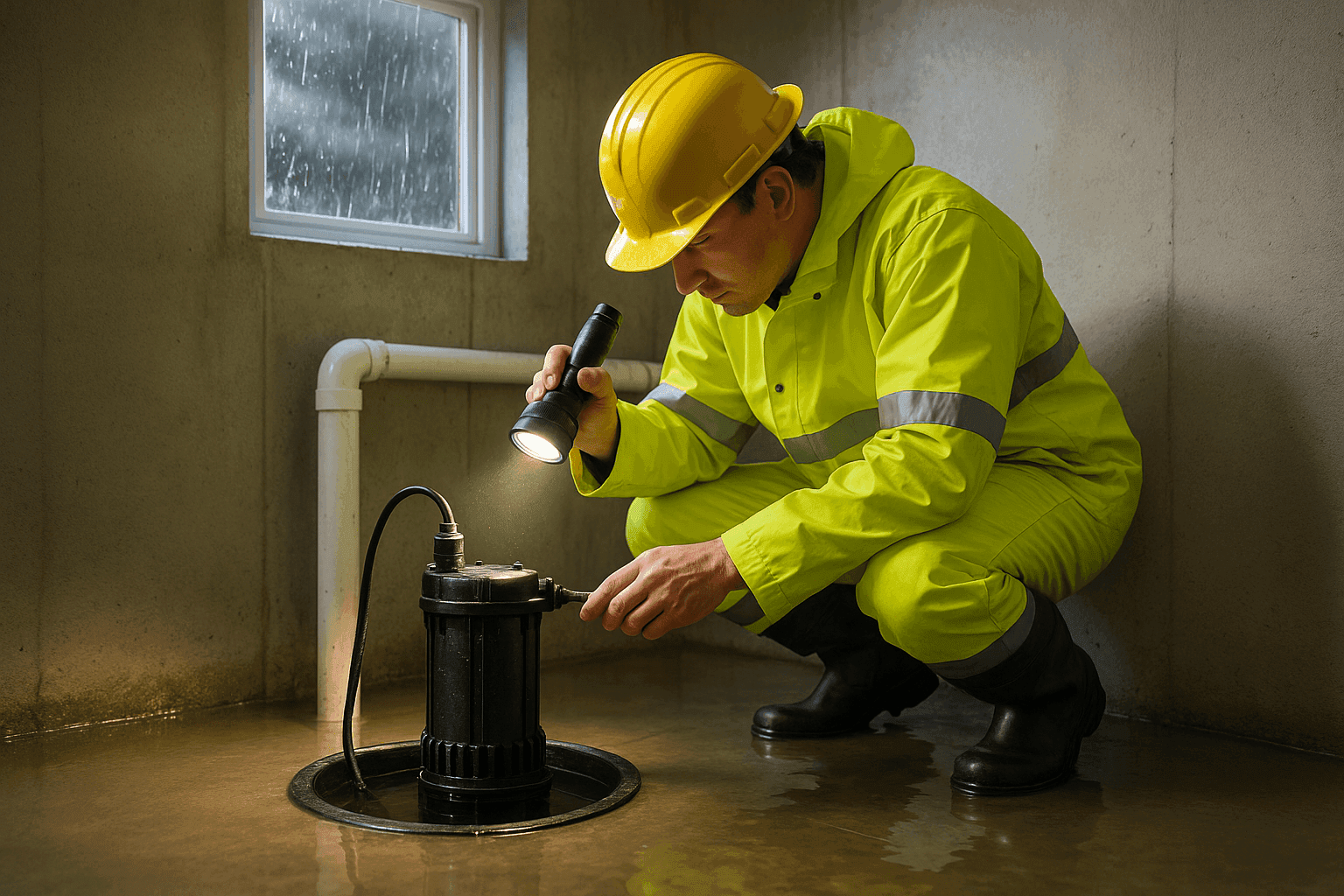
When storms rage outside, your sump pump stands between your home and a soggy disaster. But sometimes, even the most reliable plumbing can let you down at the worst moment. That’s when panic can set in. Water rises, fear creeps in, and you need answers—fast.
At Argos Plumbing, we’ve helped countless homeowners through storms and sump pump failures. This guide will walk you calmly, step by step, through what to do if your sump pump stops working when you need it most. You’ll learn what actions to take now, and how to be ready for the next big rain.
Why Sump Pumps Fail in Storms 🌧️
Sump pumps are the unsung heroes of storm season. But even heroes have their limits. Here’s why your pump might tap out just when the clouds open up:
- Power Outages: The most common culprit. Heavy storms knock out electricity, and your pump can’t run without it—unless you have a battery backup.
- Overwhelmed Systems: Too much rain, too fast. Your pump might not keep up with the incoming water, especially if it’s undersized or aging.
- Clogged or Jammed Pumps: Leaves, silt, or debris can clog the pit or the pump’s intake, causing it to stall.
- Float Switch Failures: The float activates your pump. If it sticks or breaks, the pump never turns on.
- Old or Worn-Out Equipment: Pumps have a lifespan, usually around 7–10 years. Older units are more prone to breakdowns under stress.
The result? Rising water and a race against time.
Immediate Steps to Prevent Flooding
First, breathe. Then, move quickly but safely. Here’s your action plan:
- Cut the Power: If water is near any electrical outlets or the pump’s cord, switch off power at the breaker. Don’t risk a shock.
- Move Valuables: Get anything valuable or water-sensitive (electronics, photos, keepsakes) off the floor and out of the basement.
- Clear the Sump Pit: If safe, check for visible debris around the sump pit and remove it to help water flow.
- Check Gutters and Downspouts: If rain is still falling, make sure exterior drains aren’t blocked and are moving water away from your foundation.
- Use a Wet/Dry Vac or Buckets: In a pinch, you can manually remove water. It’s labor intensive, but every bit helps until help arrives.
- Document the Damage: Take photos for your insurance company if flooding has begun.
How to Check for Simple Fixes 🔦
Sometimes, it’s not a big failure—just a small hiccup. Here’s what you can check before calling in the cavalry:
- Is the Power On? Check your breaker box. Sometimes, a tripped breaker is all that’s wrong.
- Inspect the Float: Gently lift the float switch. If the pump kicks on, the float may have been stuck.
- Look for Clogs: Shine a flashlight into the pit. Clear out any debris you can safely reach.
- Listen for Sounds: A humming pump that isn’t moving water may mean a jammed impeller or blocked discharge line.
If you’ve tried these and the pump still won’t run, it’s time to get professional help. Don’t wait—flood damage moves fast.
When to Call Emergency Service
Floodwater doesn’t wait, and neither should you. Call for emergency plumbing if:
- Water is rising, and your attempts to stop it aren’t working.
- You spot electrical hazards or smell gas near the water.
- The pump is running but not moving water (could be a broken impeller or clogged discharge).
- You have no backup pump or battery system in place.
- The situation feels out of control, and you aren’t sure what to do next.
Your safety comes first. When in doubt, call Argos Plumbing. We handle urgent sump pump repair and storm-related emergencies day and night.
Preparing for the Next Storm ⚡
Once the immediate crisis has passed, it’s time to think ahead. Sump pump failure can be a wake-up call. Here’s how to make sure your home is ready for whatever the clouds throw your way:
- Install a Battery Backup: When power goes out, a backup pump keeps working. It’s peace of mind in a box.
- Regular Testing: Pour water into your sump pit every few months to make sure the pump cycles on and off.
- Annual Maintenance: Have your system professionally inspected and serviced at least once a year. This includes checking the float, cleaning the pit, and testing the discharge line.
- Upgrade Old Pumps: If your pump is pushing a decade, consider replacing it before the next big storm.
- Check Discharge Lines: Make sure water is being directed far from your foundation, and that pipes aren’t cracked or frozen.
For more tips on keeping your plumbing storm-ready, see our article on Sump Pump Repair near me in Oxford.
Frequently Asked Questions
How long does a typical sump pump last?
Most last 7–10 years. Heavy use or frequent storms can shorten that lifespan. Annual professional checkups help spot trouble early.
Is it safe to try to fix a sump pump during a flood?
Never touch electrical equipment if water is rising or you see flooding near outlets. Safety first—call for help if you’re unsure.
What’s the best way to prevent future failures?
Regular maintenance, battery backups, and professional inspections are your best defense. Clean gutters and downspouts also help keep water away from your basement.
Do insurance policies cover sump pump failure?
Some do, but often only with specific riders. Check with your home insurance agent and document any damage immediately.
Local and Seasonal Considerations
Storms don’t care about your schedule—they arrive when they want. Spring and fall bring the most rain, but sudden summer storms can strike too. If your home is in a low-lying area, or your basement has flooded before, take extra precautions. Have an emergency kit ready, keep Argos Plumbing’s number handy, and check your pump before every big weather event.
Wet basements are more than an inconvenience—they can lead to mold, ruined keepsakes, and expensive repairs. Being proactive now saves serious headaches later.
When the weather turns ugly and your sump pump lets you down, every minute counts. Don’t wait for the water to rise—reach out to the team that’s always ready to help with plumbing emergencies, repairs, or routine maintenance.
Call Argos Plumbing now — or reach us anytime at 844-484-9980 .