Sink Repair: Quick Fixes for Common Problems
Does your sink sound like a leaky faucet in the middle of the night? Or maybe water is pooling under your cabinet, and you’re not sure if it’s a minor drip or a big deal. Sink problems can turn from a trickle to a river if you ignore them. Argos Plumbing is here to help you spot the signs early and guide you through safe, fast fixes—before you need an umbrella in your own kitchen.
Every homeowner faces a sink issue sooner or later. You don’t need to be a plumbing whiz to handle the basics. Let’s walk through common sink headaches, what you can handle yourself, and when it’s time to call in the pros.
Sink Problems Overview 🛠️
A sink should be one of the quietest, most reliable fixtures in your home. But life happens. Here’s what most folks run into:
- Leaky faucets: That steady drip isn’t just annoying—it can waste gallons of water.
- Clogged drains: Water won’t drain, or worse, backs up with a gurgling protest.
- Leaks under the sink: Puddles or damp wood usually spell trouble for your cabinets.
- Loose or broken handles: Nothing says “Monday morning” like a faucet handle that spins in circles.
- Odors: That rotten egg smell could mean trouble in your pipes.
Some issues are just part of regular wear. Others signal bigger plumbing problems. The trick is knowing the difference.
Diagnosing Leaks and Clogs
Before you grab a wrench, pause. Find the root of the problem.
Spotting Leaks
- Look for water stains or damp spots under the sink and on pipes.
- Run your fingers along the plumbing—do you feel moisture?
- If your water bill suddenly jumps, a hidden leak may be to blame.
Identifying Clogs
- Slow draining: Water lingers long after the tap shuts off.
- Gurgling sounds: Air trapped in the pipes signals a blockage.
- Standing water: The sink fills up and refuses to empty.
Check if the problem is isolated to one sink. If multiple drains are slow, you may have a bigger sewer line issue.
DIY Repairs: Safe Quick Fixes
Many sink problems can be solved with a little patience, the right tools, and a dose of common sense. Here’s how to tackle the most frequent issues.
Tightening Loose Connections
- Turn off the water supply under the sink. Look for two valves—left for hot, right for cold. Turn both clockwise.
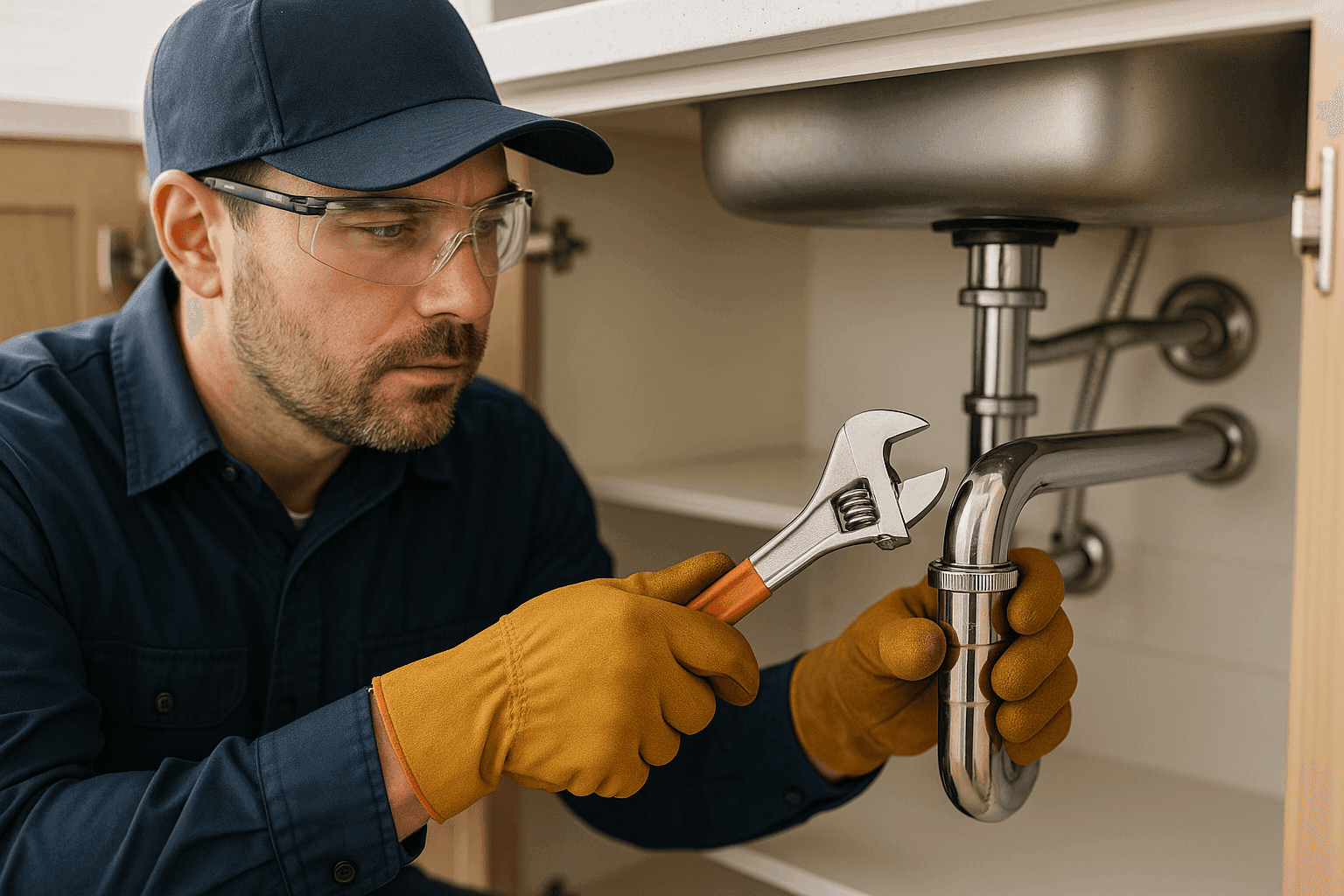
- Use an adjustable wrench to gently tighten loose nuts on the drainpipe or supply lines.
- Don’t over-tighten. Like screwing a jar lid, too much force can crack the fitting.
Clearing a Clogged Trap
- Place a bucket under the U-shaped pipe (the “trap”) to catch water.
- Unscrew the slip nuts by hand or with pliers. Remove the trap.
- Clean out any hair, food, or debris. Gloves help here.
- Rinse and reassemble. Run water to check for leaks.
Addressing Minor Faucet Drips
- Most drips come from worn washers or cartridges.
- Shut off water, remove the handle, and replace the faulty part. Local hardware stores often have diagrams to match your faucet style.
- If you’re unsure, take the old part with you to the store.
Quick Safety Checklist
- Always shut off water before repairs.
- Use proper tools: An adjustable wrench, bucket, and rags are basics.
- Wear gloves to protect your hands from sharp edges or chemicals.
- Never force metal parts: Metal on metal can strip threads or break pipes.
- If you smell gas near your kitchen sink, evacuate and call emergency services. Gas leaks are serious—don’t take risks.
For more on plumbing safety, see guidance from the International Association of Plumbing and Mechanical Officials (IAPMO).
When to Call a Plumber
Some situations are just too risky or complex for DIY. If you see any of these signs, don’t hesitate to reach out:
- Persistent leaks even after tightening connections.
- Water pooling inside walls or under floors.
- Multiple drains clogging at once. This might indicate a main line blockage.
- You hear hissing, see rust, or smell something odd (like sewage or gas).
- Visible mold or mildew—a sign of long-term leaks.
You can always contact Argos Plumbing for Sink Repair or Kitchen Plumbing near you.
Preventing Recurrence 🚰
An ounce of prevention is worth a pound of mop buckets. Here’s how to keep your sink running clear:
- Don’t pour grease, coffee grounds, or fibrous foods down the drain.
- Install a drain screen to catch hair and debris.
- Run hot water after each use to flush away small particles.
- Inspect pipes and connections twice a year for dampness or corrosion.
- Tighten loose parts before they become leaks.
Schedule regular sink maintenance to catch small problems before they become big ones.
Costs & Time Factors
Every repair is different, but here’s what you can expect:
- DIY fixes (tightening fittings, clearing a trap) can take 15–30 minutes and cost a few dollars in supplies.
- Replacing parts (washers, cartridges) may take an hour, depending on access and faucet type.
- Professional repairs vary but often range from a quick visit for a leak to a more involved job if pipes or drains need replacing.
Remember, a small leak can turn into expensive cabinet or floor damage if left unchecked. Address issues promptly.
When It’s an Emergency
Certain sink problems can’t wait:
- Major leaks or water spraying—shut off the main supply immediately.
- Sewage backup: This poses health risks. Do not attempt to clear it yourself.
- Gas smell: Evacuate and call emergency services.
- No water flow: If all taps are dry, it could indicate a main line break.
In these cases, call Argos Plumbing right away for emergency plumbing help.
FAQ: Sink Repair Questions
Q: Why does my sink smell bad?
A: Usually, it’s bacteria growing in the drain or trap. Clean the trap and flush with hot water and baking soda.
Q: How often should I check for leaks?
A: Inspect under your sink every few months or right after moving heavy items in your cabinet.
Q: Can I use chemical drain cleaners?
A: We don’t recommend it. They can damage pipes and are hazardous if splashed. Try mechanical methods first.
Q: What if my water pressure is low at the sink only?
A: Aerators may be clogged. Unscrew and clean them. If that doesn’t work, contact a plumber to check for deeper blockages.
Local and Seasonal Considerations 🏠
In older homes, pipes may be more susceptible to corrosion and leaks. If you live in an area with harsh winters, watch for pipes near exterior walls—these can freeze and burst. During holidays or big gatherings, sink use goes up, so regular checks can prevent last-minute surprises.
If you’re in a region with “hard” water (high mineral content), mineral deposits can clog aerators and valves more quickly. Cleaning or replacing these parts regularly can help.
For more advice, the Uniform Plumbing Code (UPC) provides standards for safe, reliable plumbing systems.
Whether you’re dealing with a slow drip or a sudden flood, a little knowledge goes a long way. Remember: some sink repairs are a quick fix, but others need a professional hand. Argos Plumbing is always here to help you keep your kitchen and bathroom running smoothly.
Call Argos Plumbing now — or reach us anytime at 844-484-9980 .