Sewer Line Repair: Options and What to Expect
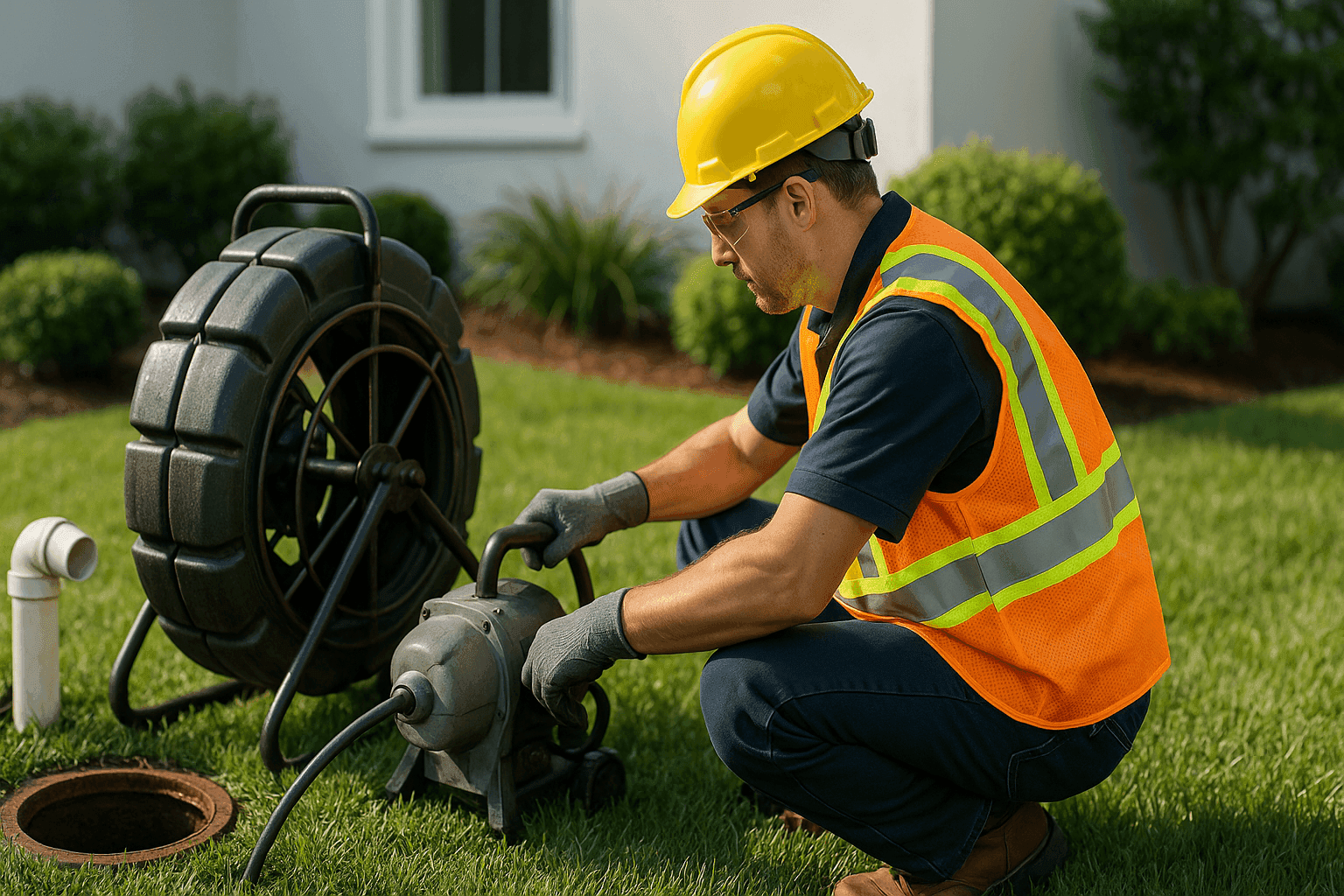
When your sewer line backs up, it feels like your whole house stops working. You’re left with questions, worries, and sometimes a smell that just won’t quit. At Argos Plumbing, we know this is one of those “drop everything” problems. You want answers—and you want them now.
Let’s break down the signs, the fixes, and what happens when you call in the pros. When you understand your options, you can make choices that fit your home and your peace of mind. Here’s how to get through sewer line repair with less stress and more control.
Sewer Line Damage Signs 🚨
Sewer line trouble rarely sneaks up quietly. It’s more like a freight train—loud, messy, and impossible to ignore. Here’s what to watch for:
- Frequent Drain Clogs: If every sink and tub in your house is slow, the main line could be blocked.
- Gurgling Toilets: Air bubbles or gurgles in your toilet after flushing? That’s a red flag.
- Bad Odors: Smells like rotten eggs or sewage around your yard or basement? Trouble is brewing below.
- Water Pooling in Yard: Soggy patches or unexpected greenery in your lawn often mean a leak underground.
- Mold or Mildew Indoors: Sewer leaks behind walls can trigger dampness and mold growth.
- Sewage Backups: Wastewater in your tub, shower, or basement floor drain is a warning you can’t ignore.
If you spot any of these, don’t wait. Sewer line issues don’t fix themselves—they only get worse.
Repair Options: Trenchless vs. Open Trench Methods
Not all sewer repairs mean tearing up your yard. Here are your main options:
Trenchless Sewer Line Repair
Imagine solving a big plumbing problem with minimal mess—like threading a new shoelace through an old shoe without untying it. That’s trenchless repair. Two common methods:
- Pipe Lining (Cured-in-Place): We insert a flexible tube coated with resin into your old pipe. Once it’s in place, we inflate it and let it harden. It forms a tough new lining inside the old pipe—no major digging.
- Pipe Bursting: A new pipe is pulled through the old one. As the new pipe moves in, it shatters the old pipe outward. Again, just small entry and exit holes.
Pros: Less landscape damage, faster, usually lower labor costs.
Cons: Not always possible for severely collapsed or heavily offset pipes.
Traditional Open Trench Repair
Sometimes you can’t avoid digging. This is like open-heart surgery for your yard, but sometimes it’s the only fix.
- How it works: We dig a trench along the path of the old pipe, remove the damaged sections, and install new ones.
- When it’s needed: If the pipe is totally collapsed, severely misaligned, or not a candidate for trenchless methods.
Pros: Works for any kind of damage.
Cons: More time, more cost, more disruption to landscaping and driveways.
For both options, a professional Sewer Line Inspection with a camera helps decide which route is best for your home.
What to Expect During Repair
Sewer repair can feel like inviting a construction crew for a surprise party in your yard. Here’s a step-by-step look at what happens:
- Initial Assessment: We use video cameras to pinpoint damage. This tells us the type and location of the problem.
- Method Selection: Based on the inspection, we recommend the best repair method for your situation.
- Permitting: Most cities require permits. We handle this for you and follow all local codes (see resources like the International Plumbing Code for details).
- Site Prep: For trenchless jobs, we dig small access holes. For open trench, expect a larger area to be cleared.
- Repair Process: Technicians repair or replace the pipes using the chosen method.
- Testing: After repair, we test the line for leaks and proper flow. No shortcuts here—your family’s health matters.
- Clean-Up: We restore the site as much as possible. For trenchless, there’s less to fix; for open trench, some landscaping work may be needed.
Most jobs take 1–3 days, but weather, pipe length, and soil conditions can affect timing.
Safety and Sanitation 🛡️
Sewer repairs don’t just protect your plumbing—they shield your family from health risks. Here’s how we keep things safe:
- Protective Gear: Our team wears gloves, boots, and masks as needed.
- Containment: We block off work areas to prevent accidental contact with sewage.
- Disinfection: After repairs, we sanitize affected areas.
- Proper Disposal: We follow EPA guidelines for disposing of contaminated materials.
Never try to fix a main sewer line yourself. Sewage can carry bacteria and viruses that are dangerous without proper precautions.
Preventing Future Damage
A little prevention keeps your pipes—and your budget—out of trouble. Here are practical tips:
- Don’t Flush Trouble: Only flush toilet paper. Wipes, paper towels, and feminine products can block pipes.
- Watch What Goes Down the Drain: Grease, food scraps, and coffee grounds belong in the trash, not the sink.
- Tree Roots: Plant trees away from sewer lines. Roots love to invade pipes in search of water.
- Regular Inspections: Schedule a sewer line inspection every few years, especially in older homes.
- Prompt Repairs: Don’t ignore leaks or slow drains. Small problems become big ones fast.
Check local codes (like the Uniform Plumbing Code) for guidelines on pipe materials and installation to avoid future headaches.
Costs and Time Factors
Sewer line repair costs can feel like a mystery. Here’s what shapes the price:
- Repair Method: Trenchless is often less expensive than open trench but not always possible.
- Pipe Length and Depth: Longer or deeper pipes mean more work.
- Location: Pipes under driveways or large trees are harder (and costlier) to access.
- Severity of Damage: A simple crack is quicker to fix than a full collapse.
- Permitting and Inspections: City fees and required inspections add to the total.
Most repairs take between one and three days. Severe cases or tricky locations can stretch the timeline, but we keep you updated throughout.
Preventing Emergency Situations
Some sewer problems can’t wait. Here’s when to treat it as an emergency:
- Sewage Backing Up Indoors: Immediate health risk—call a plumber now.
- Major Leaks Outdoors: Rapid pooling or a strong sewer smell in your yard.
- Multiple Drains Blocked: If all your drains clog at once, your main line is in trouble.
If you’re facing an emergency, Argos Plumbing responds around the clock. Don’t wait—your home and health are too important.
FAQ
How do I know if I need a full sewer line replacement or just a repair?
Our camera inspection shows the exact problem. Sometimes a spot repair is enough; other times, replacement is safer and more cost-effective long-term.
Will my insurance cover sewer line repair?
Coverage varies. Some policies include “service line” protection; check with your provider.
How can I make sure this doesn’t happen again?
Regular inspections, careful flushing habits, and tree root management go a long way. Ask us about preventative maintenance plans.
Is trenchless repair as durable as traditional pipe replacement?
Yes. Trenchless methods use materials rated to last decades—often as long as new pipes.
Local and Seasonal Considerations
Sewer lines can be affected by weather. Heavy rain, freeze-thaw cycles, and drought can shift soil and stress pipes. If you live in an area with clay soil or old infrastructure, keep an eye out for trouble after big storms or deep freezes. For more information on Sewer Line Repair, check local resources or contact us directly.
If your drains are slow, your yard is soggy, or your nose is telling you something’s wrong—don’t wait. Sewer problems can escalate quickly. Call Argos Plumbing now — or reach us anytime at 844-484-9980 .