Sewer Line Repair Costs: Budgeting for the Unexpected
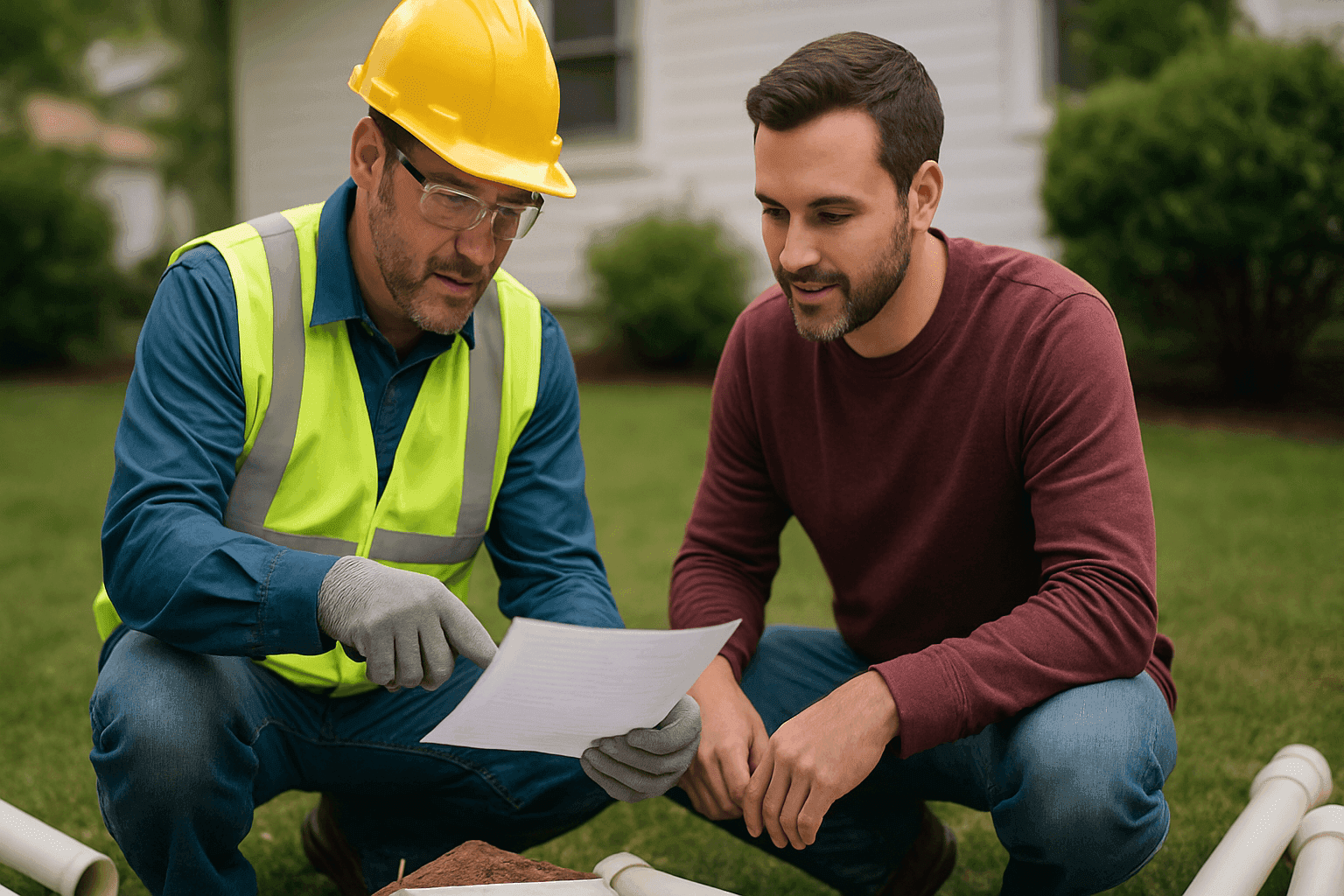
When you wake up to the smell of sewage or a flooded yard, the last thing you want to worry about is your budget. Sewer line problems don’t wait until payday. At Argos Plumbing, we know how stressful it can be when your day—and your wallet—gets upended by an urgent plumbing issue.
Sewer line repairs aren’t just another line item. They’re unexpected guests that always seem to arrive at the worst possible moment. Let's shed light on the real costs, how to prepare, and what you can do right now to avoid being caught off guard.
Average Sewer Repair Costs 🛠️
Sewer line repair can feel like a mystery box—open it up, and you never quite know what you’ll get. While every home is different, most residential sewer line repairs fall within a few key ranges. Think of it like car repairs: a simple fix might be manageable, but a full engine replacement (or in this case, a major pipe replacement) changes everything.
- Minor spot repairs: These can start around several hundred dollars, especially if the problem is near the surface and easy to access.
- Extensive repairs or replacement: When the line is deeply buried, runs under driveways, or needs large sections replaced, costs can climb into the thousands.
- Trenchless methods: Sometimes higher up front, but can save on landscaping or driveway repair.
According to the International Association of Certified Home Inspectors (InterNACHI), national averages for sewer line repairs range from $1,000 to $4,000, with full replacements often exceeding $7,000 depending on length, depth, and material.
Why the range? Every job is a snowflake. Pipe material, local codes, tree roots, and even weather can all play a part in what you’ll pay.
Emergency vs. Planned Repair Pricing 🚨
Emergencies throw budgeting out the window. When sewage backs up into your home, you’re not thinking about cost—you’re thinking about getting your life back to normal. Emergency repairs often:
- Cost more due to after-hours or weekend rates.
- Require quick decisions, sometimes with limited options.
- May involve temporary fixes until a full repair can be scheduled.
Planned repairs, on the other hand, give you wiggle room. You can compare options, plan around your schedule, and sometimes save on labor by working during normal business hours.
If you’re reading this before disaster strikes, you’re already ahead of the game. Schedule regular sewer line inspections to spot issues early and avoid the pain—and expense—of emergencies.
Trenchless vs. Traditional Costs
Imagine digging up your entire front yard just to fix a pipe. It’s not just the pipe that needs fixing—now your landscaping, walkway, or even parts of your driveway are collateral damage.
- Traditional repair: Involves digging a trench, removing and replacing old pipe. Labor and restoration costs add up quickly, especially if hard surfaces need to be cut and replaced.
- Trenchless repair: Uses methods like pipe bursting or lining to avoid most digging. Upfront costs may be higher, but you can save thousands on restoring your property.
The best method depends on your pipes, soil, and situation. Some older homes may not be good candidates for trenchless repair, while newer lines often are. Your plumber can help you weigh the pros, cons, and costs for each.
How to Budget for Repairs 💡
It’s easy to put off thinking about sewer line repairs—until you can’t. Here’s how to prepare, even if you’ve never had a problem before:
- Set aside an emergency fund: Even $20–$50 per month adds up. Think of it as insurance for your peace of mind.
- Know your plumbing’s age: Pipes over 40 years old are more likely to fail. Schedule a sewer line inspection if you’re unsure.
- Review your homeowner’s insurance: Most standard policies don’t cover sewer line repairs unless you add a rider—double-check your coverage.
- Ask about financing: Many plumbing companies—including Argos Plumbing—offer payment options for large repairs.
- Keep up with maintenance: Annual drain cleaning and leak checks can find small problems before they grow.
Being proactive with your home's plumbing is like putting on a raincoat before a storm—much better than scrambling for an umbrella after you're already soaked.
Major Cost Drivers for Sewer Line Repairs
Let’s break down what really impacts your bill:
- Depth and length of pipe: Deeper or longer lines mean more digging and higher costs.
- Location: Pipes under driveways or large trees are harder (and pricier) to access.
- Type of repair: Spot repairs are cheaper than full replacements.
- Material: Cast iron, clay, and PVC all have different price tags.
- Local building codes: Permits and inspections can add cost but also protect your investment.
Following codes like those published by the Kentucky Plumbing Code or the International Plumbing Code is non-negotiable. They exist for safety and long-term reliability.
How to Avoid Surprises
- Schedule regular inspections—don’t wait for warning signs like slow drains or foul odors.
- Be wary of recurring clogs—they could signal a deeper issue.
- Plant trees and shrubs away from sewer lines to prevent root intrusion.
- Watch your drains—grease, wipes, and debris can cause blockages.
Emergency vs. Planned Repair: What to Expect
Emergencies don’t respect your calendar—or your wallet. If your sewer line backs up in the middle of the night, you can expect:
- Higher labor rates for after-hours service
- Potential need for temporary fixes
- Limited options for digging or equipment
Planned repairs allow you to:
- Get multiple opinions or estimates
- Plan around your schedule and budget
- Minimize property disruption
If you’re facing an emergency, don’t wait—call for help immediately to prevent further damage and health risks.
Trenchless vs. Traditional Repair: Pros, Cons, and Costs
Traditional (Open Trench):
- Good for full replacements or collapsed pipes
- Major disruption to landscaping, driveways, and sidewalks
- Sometimes required for very old or fragile lines
Trenchless (Pipe Lining or Bursting):
- Minimal digging, faster turnaround
- Not always possible in every situation
- May carry higher upfront cost, but often less expensive overall when considering restoration and time
Your plumber will help you evaluate which option fits your property, pipes, and budget.
Budgeting for the Unexpected
It’s not fun to budget for something you hope never happens. But a little preparation can save a lot of stress. Here’s how to get started:
- Build a small emergency fund—anything is better than nothing.
- Schedule a yearly sewer line inspection.
- Ask your plumber for an assessment of your pipes’ age and condition.
- Set reminders for seasonal maintenance (especially before heavy rains).
Frequently Asked Questions
How do I know if my sewer line needs repair?
Look for warning signs like slow drains, gurgling toilets, foul odors, and soggy spots in your yard. If you notice any of these, call for an inspection.
Will my homeowner’s insurance cover sewer line repairs?
Usually not, unless you’ve purchased a specific sewer or service line endorsement. Review your policy carefully and ask your agent about your options.
Is trenchless repair always possible?
Not always. Very old, collapsed, or misaligned pipes may require traditional excavation. Your plumber will assess and explain the best options for your home.
How can I keep repair costs down in the future?
Stay proactive. Schedule regular inspections, avoid flushing non-degradable items, and be mindful of what goes down your drains.
Local and Seasonal Considerations
Living in Kentucky, freeze-thaw cycles can cause soil movement, putting extra stress on buried pipes. Heavy spring rains can make existing cracks or misalignments worse. It’s wise to schedule inspections before the rainy season and after significant cold snaps.
Thinking about the local context? See what’s involved with Sewer Line Repair in Hopkinsville, Kentucky.
When it comes to your home’s plumbing, surprises are rarely good. But with a little planning and the right support, you can face the unexpected with confidence. If you’re dealing with sewer line trouble—or just want peace of mind—reach out to Argos Plumbing.
Call Argos Plumbing now — or reach us anytime at 844-484-9980 .