Sewer Line Installation Costs: What Drives the Price?
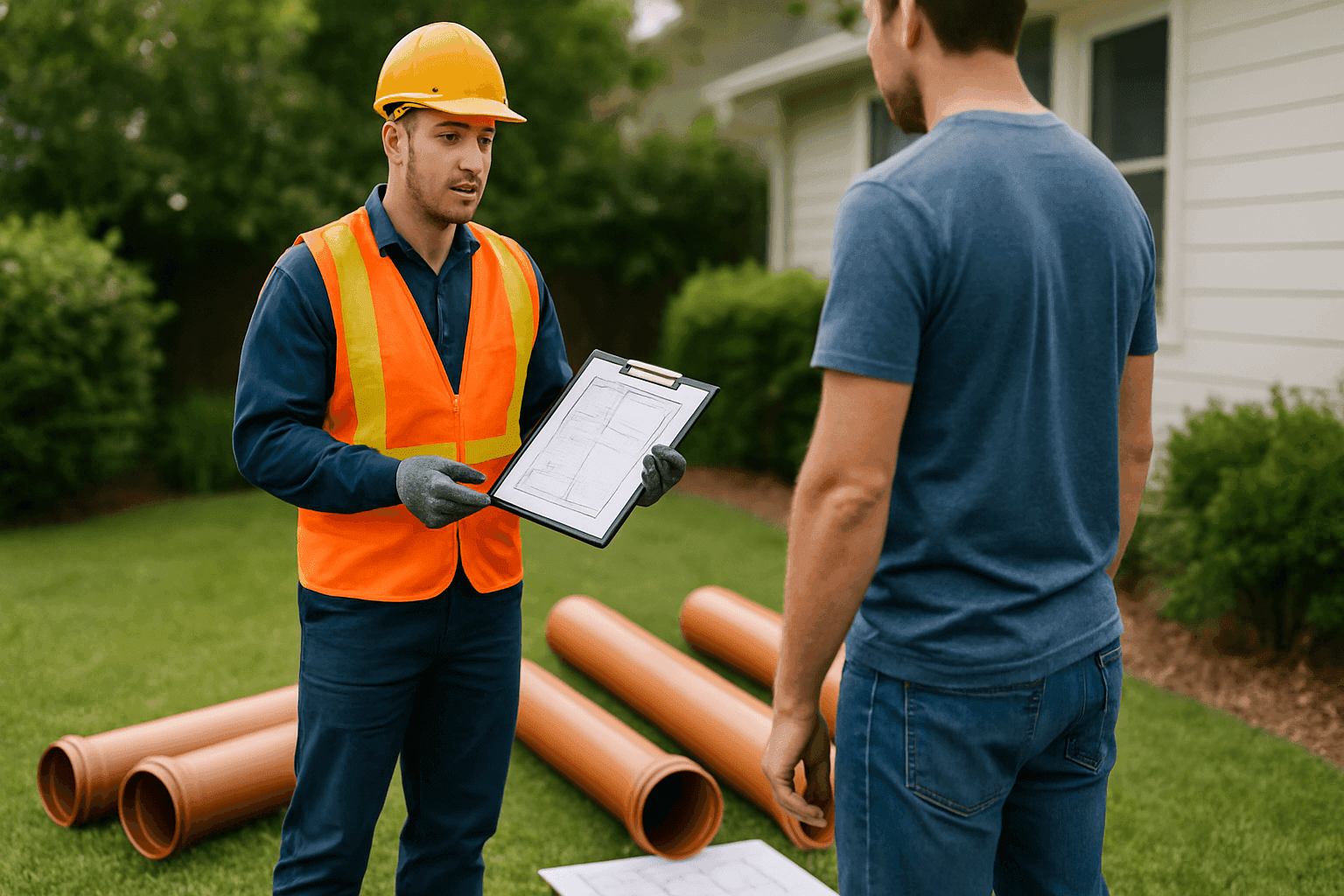
Every homeowner dreads the words: "Your sewer line needs replacement." It's one of those big plumbing projects—never planned, always urgent. At Argos Plumbing, we know this process can feel overwhelming, especially as costs start to add up fast.
Understanding what goes into the price of sewer line installation is half the battle. With clear information and a bit of planning, you can face the project head-on—no surprises, no wallet shock.
Typical Sewer Installation Costs 💵
Sewer line installation isn’t cheap. It’s a major job, involving excavation, heavy equipment, safety protocols, and specialized skills. Most homeowners can expect to pay anywhere from several thousand dollars to well over ten thousand, depending on the specifics.
- Short, straightforward jobs (minimal landscaping, shallow lines) lean toward the lower end.
- Complex installs—think deep trenches, tree roots, or busy driveways—drive the price up.
- The national range, according to the International Association of Certified Home Inspectors, is typically $3,000–$12,000. Regional differences, pipe materials, and labor rates all play a role.
While these numbers sound big, understanding what’s behind them helps you plan and budget without sleepless nights.
Factors Affecting Price (Length, Depth, Materials)
Pricing isn’t pulled out of thin air. Several key elements load up the bill—some out in the open, others lurking just under the surface.
Length of the Line
A sewer line is like a garden hose, but buried deep and much more robust. The longer the run from your house to the city main or septic, the more pipe, digging, and labor required. Each additional foot can mean dozens—or even hundreds—of extra dollars.
Depth of the Line
Depth matters. Shallow lines are easier and faster to dig. But if your sewer line needs to be several feet down (due to frost lines or existing infrastructure), the job gets more complex. Deeper digs require heavier machinery and extra time, raising costs.
Materials Used
You’ve got choices—PVC, cast iron, clay, or even trenchless methods. Each material has its own price tag and lifespan. PVC is affordable and resistant to most corrosion. Cast iron is robust, but more expensive. Your plumber can explain what’s best for your property and local codes.
Obstacles and Access
Got a concrete driveway? Mature trees? Tight spaces? Obstacles slow crews down and may require extra tools, permits, or even hand-dug trenches. All of this adds up.
Permitting and Inspection Fees 📝
You can’t just dig and connect a sewer line on a whim. Local building departments require permits for any significant plumbing work, including sewer connections.
- Permit costs vary by municipality but typically range from $100 to $1,000.
- Inspections are mandatory. An inspector ensures the work meets local plumbing codes (like those from the International Plumbing Code or your state’s authority).
- Sometimes, multiple inspections are required: after trenching, before backfilling, and at final completion.
These fees protect your investment, ensuring the job is safe, legal, and up to standard.
How to Avoid Overruns: Budget-Smart Tips
No one likes a bill that grows legs. Here’s how to keep your sewer line installation from busting your budget:
- Get a full sewer line inspection before starting. A camera line inspection can reveal hidden issues.
- Ask for a detailed breakdown of costs (materials, labor, permits, restoration).
- Plan for surprises. Set aside a contingency fund—10–20% of your total estimate—for unexpected finds like old pipes, utility conflicts, or hidden debris.
- Check references and credentials. Make sure your plumber is licensed, insured, and familiar with your local codes.
- Avoid quick fixes. Sometimes, patching a failing line is like putting a bandage on a leaky dam. A full replacement is often more cost-effective in the long run.
Real-World Steps: What to Expect
Here’s what the process usually looks like:
- Initial assessment—A plumber visits, reviews your property, and may recommend a sewer-line-inspection.
- Detailed quote—You’ll get a written estimate, including labor, materials, permits, and restoration.
- Permitting and scheduling—Your plumber handles the paperwork and schedules the crew.
- Excavation—The old line comes out. New pipe goes in.
- Inspection—A local official checks the install before trenches are filled.
- Restoration—Lawns, driveways, and walkways are repaired.
Permits & Code: Why They Matter
Cutting corners on permits can spell disaster. Improper installations may cause sewage backups, property damage, or even fines. Always confirm your contractor is pulling the right paperwork. The International Plumbing Code and local water authority websites are go-to resources for safe, compliant work.
How to Choose the Right Plumbing Partner
You need more than a crew with shovels. Look for:
- Clear, written estimates
- Willingness to answer your questions
- Experience with your type of property (older homes, unusual layouts)
- Transparent communication about problems and progress
If you’re searching for “Kitchen Plumbing near you” or “Sewer Line Installation near me in Westbrook,” make sure your plumber offers both expertise and process transparency. Here’s our city page for easy reference: Sewer Line Installation near me in Westbrook.
FAQs About Sewer Line Installation
How long does sewer line installation take?
Most jobs finish in 1–3 days, but complex digs or unexpected issues can stretch it out.
Will my yard be destroyed?
Some disruption is inevitable, but your plumber should restore landscaping and hardscape as part of the project.
Can I stay in my home during the work?
Usually yes, but you may lose water or drain use for a day or two. Your plumber will let you know what to expect.
Is trenchless installation an option?
Sometimes. Trenchless methods can reduce digging and restoration costs, but aren’t suitable for every property.
Planning for the Future
A new sewer line should last decades if done right. Regular sewer-line-inspection and preventative care can catch minor issues before they become major headaches. Don’t ignore slow drains or soggy spots in your yard—these are warning signs.
Final Thoughts
Facing a sewer line install isn’t easy—but with the right information and a trustworthy plumbing team, you can handle it without stress. At Argos Plumbing, we believe in honest pricing, detailed breakdowns, and work that stands the test of time.
Call Argos Plumbing now — or reach us anytime at 844-484-9980 .