Sewer Line Inspection: Why Every Home Needs It
If you own a home, plumbing is one of those things you rarely think about—until there’s a problem. But what happens underground can affect everything above it. At Argos Plumbing, we’ve seen how a hidden sewer line issue can turn a cozy house into a stressful mess overnight.
Sewer line inspections aren’t just for “problem houses” or fixer-uppers. They’re a must-have for every homeowner—especially before big moments, like buying or renovating. Let’s break down why these inspections matter, what’s involved, and how they can save you thousands (and a whole lot of hassle) over the life of your home.
Why Inspect Sewer Lines? 🚦
Think of your sewer lines as your home’s silent arteries. They carry away everything you don’t want to see again. Out of sight, out of mind—until they clog, crack, or collapse.
Here’s why inspections matter for every home:
- Hidden Risks: Most sewer pipes are buried deep. You can’t see when they’re cracked, blocked, or invaded by tree roots.
- Older Pipes = Higher Risk: Homes built before the 1980s may have clay or cast iron pipes. These wear out or break down faster than modern materials.
- Buying or Selling: Real estate inspections often skip the sewer lines. Without a proper check, you could inherit—or pass on—an expensive problem.
- Insurance & Code Compliance: Some insurers or local codes (like the Uniform Plumbing Code and IRC) require proof of sewer line integrity for coverage or permits.
Ignoring sewer line inspections is like driving with your eyes closed. The risks pile up quietly, then hit hard—often at the worst possible time.
Inspection Methods: Camera & Visual
Modern plumbing inspections are nothing like the old days of guesswork and digging. At Argos Plumbing, we focus on two main methods:
Camera Inspections
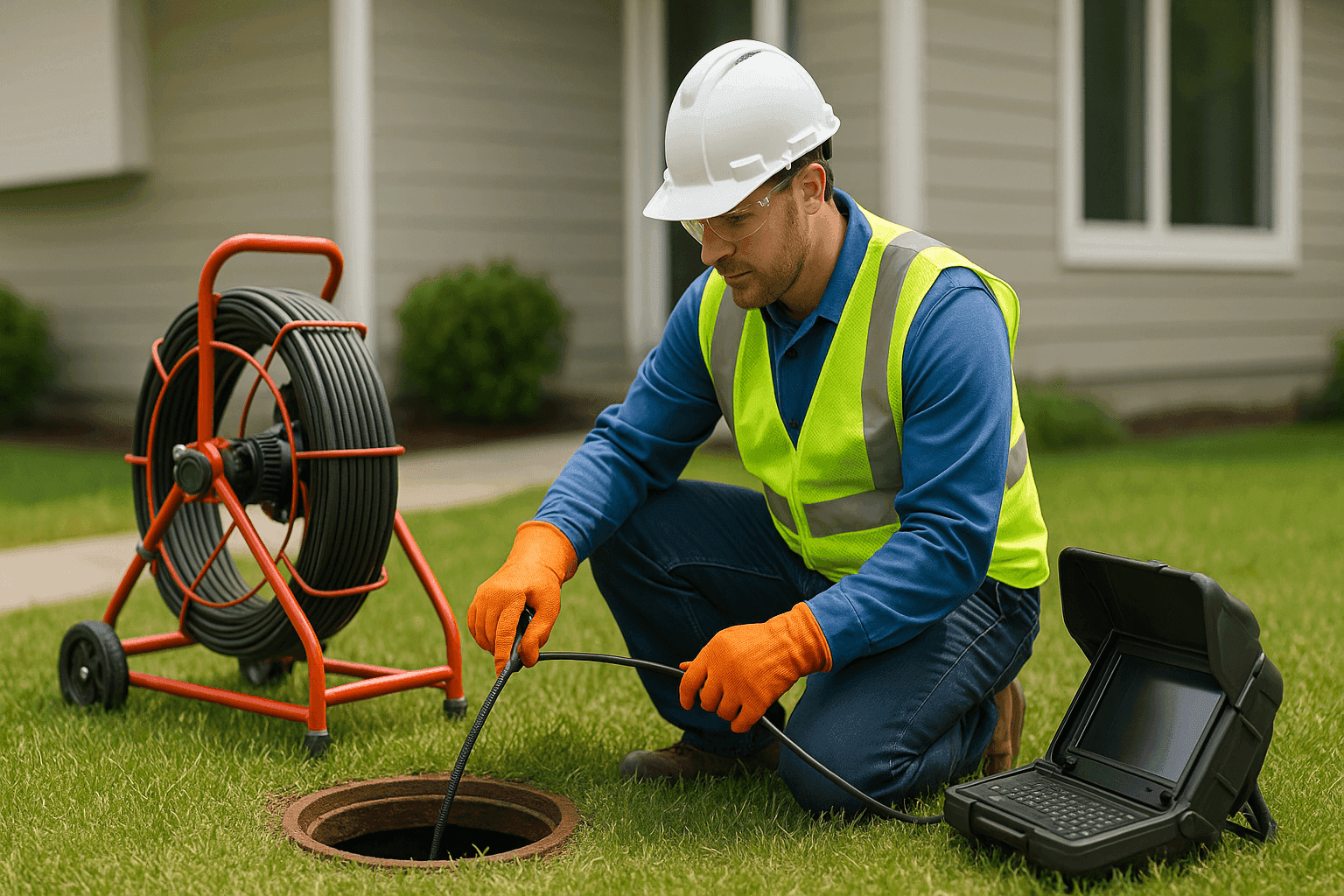
A tiny, waterproof camera is fed into the pipe through a cleanout. Live video shows every twist, turn, and trouble spot inside your sewer line. No guesswork. No unnecessary digging.
- See cracks, roots, buildup, and blockages in real time
- Record video to share with homeowners or insurance
- Pinpoint the exact location and depth of issues
Visual Inspections
For some problems, a quick look at exposed pipes or outside drains can reveal leaks, corrosion, or blockages. However, this method only works for pipes you can actually see (like under sinks or in basements).
Tip: Camera inspections are the gold standard for buried pipes. Visual checks are a backup for above-ground plumbing issues.
Signs of Trouble
How do you know your home might need a sewer line inspection? Watch for these red flags:
- Slow drains in multiple rooms—not just one sink
- Gurgling sounds from toilets or drains
- Sewage smells inside or outside your home
- Water backing up in bathtubs, showers, or toilets
- Unexplained patches of lush, green grass in the yard (could signal a leak)
- Foundation cracks or settling
These symptoms often point to issues deep within the sewer line—not just a simple clog. If you notice any combination, it’s time to act.
What Happens During Inspection
Worried about mess or disruption? Don’t be. Here’s what to expect when Argos Plumbing arrives for a sewer line inspection near you:
- Preparation: We locate your cleanout (an access point for the sewer line) and protect the work area.
- Camera Entry: A flexible rod with a camera on the tip is gently threaded into the pipe.
- Live Video: The camera sends real-time footage to a monitor. We look for cracks, blockages, roots, or buildup.
- Location & Mapping: If we spot an issue, we use a transmitter to pinpoint its location and depth.
- Summary: We review the footage with you, answer your questions, and recommend next steps if needed.
The process is non-invasive, fast, and leaves your home untouched. Think of it as a checkup—no surgery unless it’s absolutely needed.
Benefits of Early Detection 🏠
An ounce of prevention beats a gallon of clean-up. Here’s why early sewer line inspections are worth every penny:
- Avoid Costly Repairs: Catching small cracks or roots before they grow can save thousands in emergency repairs.
- Protect Property Value: Unseen sewer problems can lower your home’s value or derail a sale.
- Plan Ahead: Inspection results help you budget for future repairs or upgrades—no surprises.
- Peace of Mind: Know your home’s “hidden plumbing” is healthy.
According to the Environmental Protection Agency, sewer backups can cause significant health hazards and property damage. Early detection is key to avoiding these risks.
When Should You Schedule a Sewer Line Inspection?
Wondering if now’s the right time? Here are the best moments:
- You’re buying or selling a home
- Your house is more than 25 years old
- You’ve had repeated clogs or backups
- You notice any of the warning signs above
- Before major renovations (especially bathroom or kitchen plumbing upgrades)
If you’re not sure, ask yourself: “When was the last time anyone looked at my home’s sewer line?” If it’s been years—or never—it’s time.
Risks of Skipping Inspections
Let’s lay it out plain:
- Flooded Basements: A collapsed line can send sewage pouring into your home.
- Health Hazards: Sewage leaks aren’t just gross—they’re dangerous.
- Costly Dig-Ups: Emergency repairs can involve tearing up driveways, lawns, or even floors.
- Insurance Hassles: Some claims may be denied if you haven’t maintained your plumbing.
A skipped inspection is rolling the dice with your biggest investment. It’s not just a hassle; it’s a risk.
Real-World Inspection Steps
Here’s how Argos Plumbing handles your sewer line inspection from start to finish:
- Confirm your home’s plumbing history and any recent issues
- Locate the main sewer cleanout (often in the basement, garage, or yard)
- Insert camera and record footage throughout the entire pipe run
- Mark any trouble spots with a transmitter, so future repairs are precise
- Share findings and video with you on-site
- Recommend next steps, from sewer line repair to preventative maintenance
No surprises, no sales pressure. Just facts and footage you can see for yourself.
FAQ: Sewer Line Inspection
How long does a typical inspection take?
Usually between 60 and 90 minutes, depending on your home’s layout and access points.
Will my yard or home be damaged?
No. Modern camera inspections are non-invasive. We access lines through existing cleanouts. No digging unless repairs are needed.
Is this only for old homes?
No. Even new homes can have sewer line problems—think construction debris, settling, or tree roots.
How often should I inspect?
Most homes benefit from an inspection every 3 to 5 years, or before a major purchase or renovation.
When It’s an Emergency
If sewage is backing up into your home, don’t wait. Shut off water to affected fixtures if possible and call Argos Plumbing immediately. Fast action can limit damage and health risks.
Preventative Maintenance Tips
- Never flush wipes, grease, or “flushable” products—they can clog pipes fast.
- Plant trees and shrubs away from your sewer line route. Roots love to invade pipes.
- Schedule regular drain cleaning and inspections, especially if your home is over 20 years old.
- Ask your plumber about water pressure checks and backflow prevention devices.
You can find additional guidance in the International Residential Code and Uniform Plumbing Code, which set standards for safe and effective home plumbing.
Local & Seasonal Considerations
Alaska’s freeze-thaw cycles and shifting soils can stress sewer lines, especially in Anchorage’s older neighborhoods. Winter can also mask leaks or slow down repairs. For Sewer Line Inspection help in Anchorage, Alaska, timing and local experience matter.
The Bottom Line
Sewer line inspection is the unsung hero of home maintenance. It’s quick, non-invasive, and can save you from nasty surprises down the road. Don’t wait for a backup to ruin your plans (or your day).
Call Argos Plumbing now — or reach us anytime at 844-484-9980 .