Sewer Line Inspection Costs: What to Expect
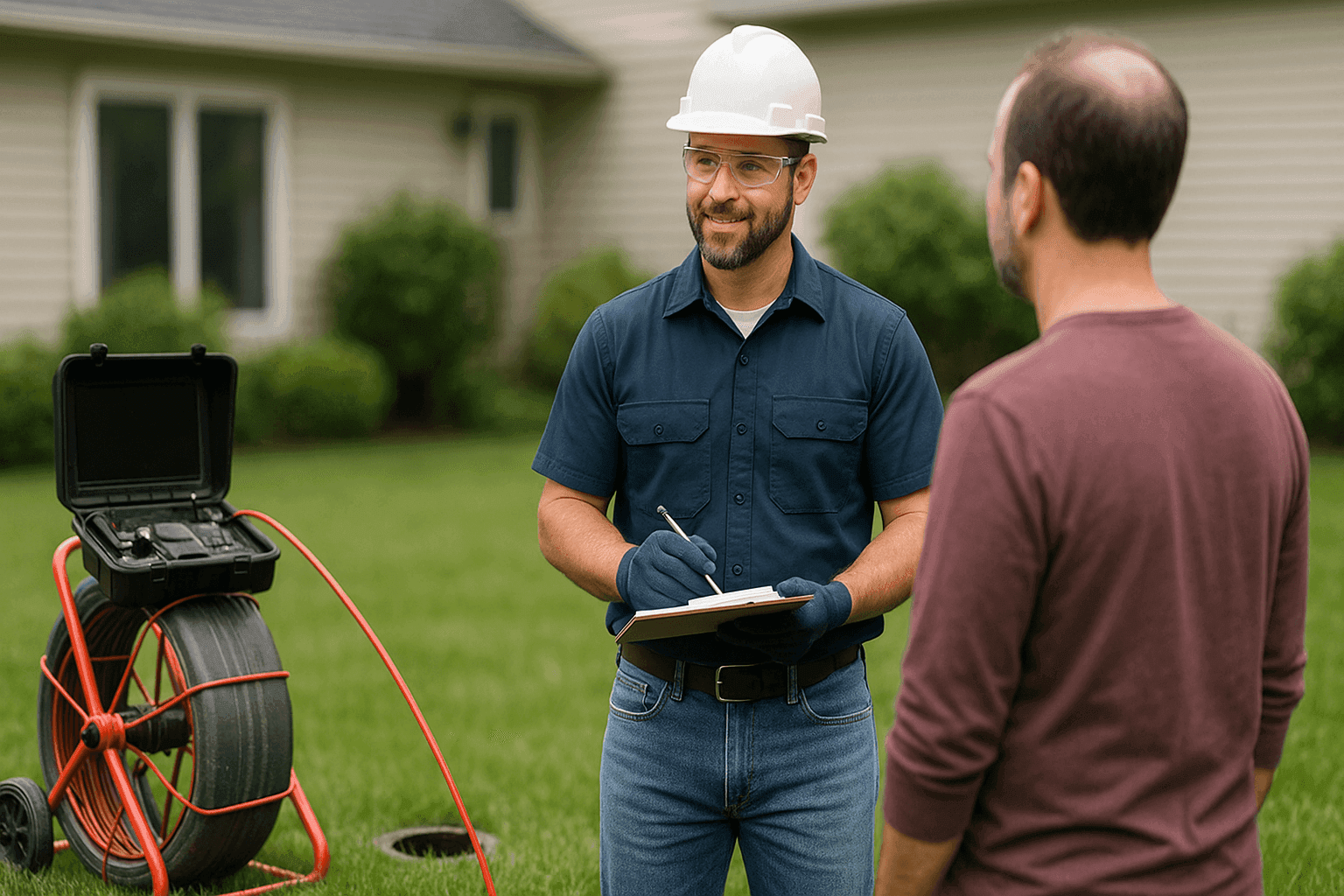
Sewer lines are the hidden lifelines of your home. Out of sight, out of mind—until there’s that unmistakable smell, a stubborn drain, or soggy spots in the yard. That’s when urgency hits, and knowing what a sewer line inspection costs can make all the difference between panic and peace of mind.
At Argos Plumbing, we get that sewer problems feel overwhelming. Inspections might sound technical or expensive, but in reality, they’re a smart investment—one that can help you dodge disasters, avoid surprise plumbing bills, and keep your home running smoothly.
Typical Sewer Inspection Costs 💡
Let’s pull back the curtain on pricing. Most residential sewer line inspections fall into a predictable range. On average, homeowners can expect to pay $250–$600 for a thorough inspection using modern video equipment. That might sound like a lot for a peek underground. But when you compare it to the cost of digging up your yard to find a mystery leak, it’s a bargain.
A few key points about these costs:
- Basic video inspections (camera pushed through your main sewer line) are at the lower end.
- Complex setups (multiple access points, older homes, or difficult terrain) tend toward the higher end.
- Emergency or after-hours calls may add to the bill.
- If you’re buying a home, some realtors recommend adding sewer inspection to your checklist—just like a roof or foundation check.
According to the International Association of Certified Home Inspectors (InterNACHI), sewer line issues are among the top hidden problems found in older homes.
Factors Affecting Price
Not all inspections are created equal. Here’s what shapes the final cost:
1. Length of Sewer Line
Longer pipes mean more time, more footage to review, and higher costs. Homes set far back from the street or with large yards may need longer inspections.
2. Access to the Line
Easy access? The job’s faster (and cheaper). If your cleanout is buried, hidden, or missing, plumbers may spend extra time just getting started.
3. Equipment Used
Modern video cameras give a crystal-clear view but come at a price. Some inspections may include advanced diagnostics—like locating devices that pinpoint exact trouble spots.
4. Condition of Pipes
If the line is blocked, has heavy buildup, or the camera can’t pass through, extra cleaning or repeat visits may be needed. That can add to your bottom line.
5. Location and Local Codes
Local plumbing codes and regulations sometimes require certain types of inspections or documentation, which can affect pricing.
The ROI of Early Detection
Think of a sewer inspection like a smoke alarm. You hope you never hear it, but you’re glad it’s there. Early detection saves you:
- Thousands in repairs. Finding a small crack or root intrusion early is far cheaper than cleaning up a sewer backup or replacing a collapsed line.
- Landscaping headaches. Spotting problems before they bubble up keeps your yard (and wallet) intact.
- Peace of mind. You’ll know the exact state of your plumbing, not just guesswork.
Home inspectors and the Environmental Protection Agency (EPA) both recommend regular sewer checks for older homes or those with large trees nearby.
What’s Included in a Sewer Line Inspection?
No two jobs are exactly alike, but here’s what’s typically included when you schedule a Sewer Line Inspection in Clinton, Utah:
- Video camera scan through the main sewer line, from house to street or septic.
- Real-time footage and expert commentary on what’s found: cracks, roots, buildup, blockages, or pipe sagging (“bellies”).
- Location services if a problem is found, pinpointing the exact spot for future repairs.
- Written report or video copy for your records or for home sale negotiations.
- Clear recommendations for next steps, if any repairs or cleaning are needed.
Want to see what a real inspection looks like? The National Association of Home Builders has great resources on what to expect from modern plumbing inspections.
Practical Tips to Get the Most Value
- Schedule during normal business hours to avoid emergency fees.
- Ask about the inspection process so you know what’s included.
- Clear the area around sewer cleanouts to save time and hassle.
- Keep your inspection report—it’s valuable if you sell your home or need repairs later.
How to Budget for Sewer Line Inspection
Treat this like an annual checkup for your home. Set aside a small amount each year for preventative plumbing: not just for the kitchen or bathroom, but for the heart of your home’s drainage system.
If you notice slow drains, frequent clogs, or bad smells, schedule an inspection sooner rather than later. Waiting can turn a simple fix into a major headache.
Prevention Beats Panic
Routine sewer line inspections are like regular oil changes for your car. They keep things running and catch problems before they snowball.
- Avoid flushing wipes, grease, or non-degradable items.
- Plant trees away from main lines to prevent root intrusion.
- Fix minor leaks or water pressure issues promptly to protect pipes.
Looking for more tips? Our sewer-line-repair page explains how to handle common problems before they escalate.
FAQ: Sewer Line Inspection Costs & More
How often should I inspect my sewer line?
For most homes, every 2–3 years is smart—more often if you have large trees, an older home, or frequent clogs.
Will insurance cover inspection costs?
Usually, not unless it’s tied to damage from a covered event. Inspections are considered preventative maintenance, like changing furnace filters.
Can I inspect my sewer line myself?
It’s possible to rent a camera, but professional inspections spot issues you might miss. Plus, pros interpret what they see and recommend next steps.
Does an inspection guarantee no problems?
No inspection can guarantee a problem won’t develop later, but it gives you a clear snapshot of current conditions.
Local and Seasonal Considerations
Cold winters? Heavy spring rains? In Utah, freezes and thaws can shift pipes, while wet seasons add stress to older systems. An inspection before winter or after big storms is smart planning.
If you’re searching for “Kitchen Plumbing near you” or a “plumber for bathroom leak repair,” remember: sewer line health impacts every room. A backup in the line can mean trouble for sinks, toilets, and even laundry drains.
The Bottom Line
Sewer line inspection costs are a small price to pay for avoiding big, messy, expensive problems. Knowing what to expect—and what’s at stake—empowers you to make the right call for your home.
Call Argos Plumbing now — or reach us anytime at 844-484-9980 .