Repiping 101: When and Why Homes Need New Pipes
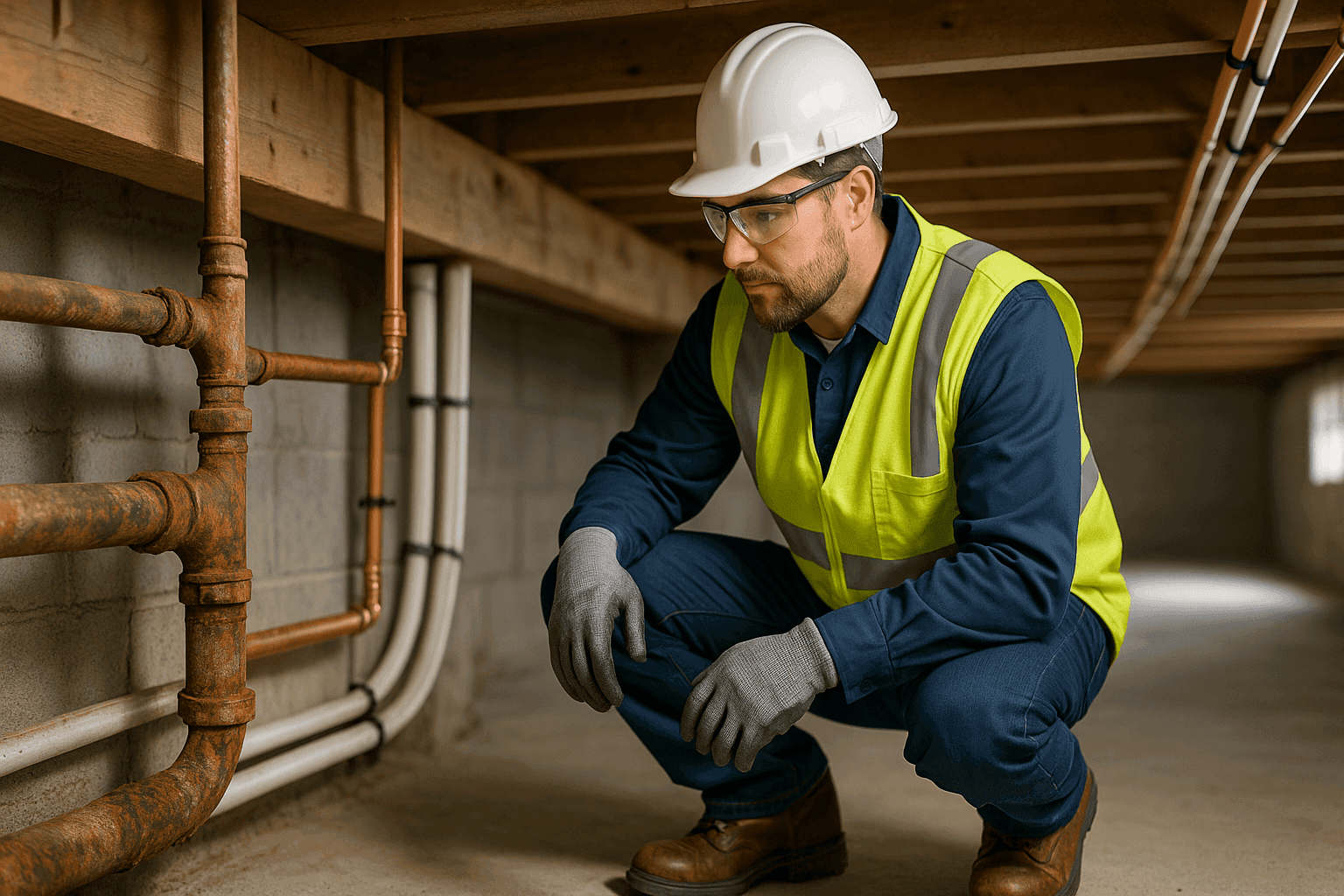
Is your plumbing starting to sound more like a haunted house than a home? Water stains, rusty water, and nagging leaks can quickly turn comfort into chaos. If you’ve noticed any of these signs, you’re not alone—and you’re smart to take them seriously.
At Argos Plumbing, we know the thought of replacing your home’s pipes can be daunting. But understanding what’s happening behind your walls can save you money, stress, and even your property value in the long run.
What Is Repiping? 🚰
Repiping is just what it sounds like: replacing some or all of your home’s water pipes. Think of your plumbing like the veins of your house. When those veins get clogged, brittle, or start springing leaks, it’s time for an upgrade. Repiping doesn’t just fix one leak—it gives your whole system a fresh start.
This can mean swapping out old, corroded pipes with new materials that meet modern building codes and last much longer. For homeowners, it’s a major project—but sometimes, it’s the only way to protect your investment.
Common Pipe Materials and Lifespans
Pipes aren’t all created equal. Just as cars age differently depending on their make and model, plumbing materials have unique lifespans and quirks.
- Galvanized Steel: Used in homes built before the 1970s. Lasts 40–60 years, but prone to rust and buildup.
- Copper: Popular since the 1960s. Can last 50+ years with proper installation.
- CPVC/PVC: Often used for drain lines and some supply lines. Can last 40–70 years, but can be sensitive to heat.
- PEX: Flexible plastic pipe common in newer builds. Estimated to last 40–50 years, but real-world data is still coming in.
Like an old pair of shoes, pipes eventually wear out—sometimes quietly, sometimes with a splash.
Signs You Need Repiping
You don’t need X-ray vision to spot the symptoms of aging pipes. Watch out for:
- Discolored Water: If your water is yellow, brown, or has a metallic taste, rust may be leaching from corroded pipes.
- Frequent Leaks: Patching one leak after another? It’s like playing whack-a-mole—temporary fixes won’t last.
- Low Water Pressure: If showers turn into a trickle, mineral buildup or pinhole leaks may be choking your pipes.
- Visible Corrosion: Flaking, stains, or dimpling on exposed pipes is a red flag.
- Unusual Noises: Banging, rattling, or gurgling can signal air or pressure issues caused by failing pipes.
If you recognize one or more of these warning signs, it’s time to look seriously at repiping—or at least a professional inspection.
Repiping Process Overview 🛠️
Repiping isn’t a weekend DIY. It’s a step-by-step process that keeps your home safe and minimizes disruption:
- Assessment: A plumber evaluates your current system and pinpoints problem areas.
- Planning: The best materials and routes are chosen to suit your home and budget.
- Preparation: Water is shut off. Furniture and flooring near work areas are protected.
- Old Pipe Removal: Sections of drywall may be opened to access pipes. Old lines are removed or abandoned.
- New Pipe Installation: New pipes are installed, pressure-tested, and connected to fixtures.
- Restoration: Walls are repaired, and water is turned back on for a final inspection.
The process can take from a couple of days to a week, depending on your home’s size and complexity. A pro will communicate the timeline and keep you in the loop.
Benefits of New Pipes
Why go through all this effort and expense? Because new pipes deliver peace of mind—and more:
- Cleaner Water: No more rusty or metallic-tasting water.
- Fewer Leaks: A reliable plumbing system means less risk of unexpected flooding and water damage.
- Better Water Pressure: Showers and faucets work like new again.
- Higher Property Value: Modern plumbing is a major selling point for buyers and appraisers.
- Lower Utility Bills: Fewer leaks mean less wasted water and lower monthly costs.
- Code Compliance: New pipes meet current building and safety codes, reducing risk and insurance headaches.
Weighing the Costs and Disruption
Repiping is an investment in your home, but it’s not pocket change. Costs depend on:
- Home size: More square footage means more pipe.
- Material choice: Copper is usually pricier than PEX or CPVC.
- Access: Multi-story homes or homes with finished basements can increase labor time.
Expect some disruption—walls may need to be opened, and water will be off during part of the process. A reputable plumber will keep mess and downtime to a minimum and communicate clearly throughout the job. For more info, see our repiping service page.
Choosing the Right Pipe Material
The “best” material depends on your budget, water quality, and local building codes. Here’s a quick rundown:
- Copper: Durable, time-tested, and resists bacteria. May cost more upfront.
- PEX: Flexible, quick to install, and less likely to burst in cold weather. Not suitable for outdoor use in the sun.
- CPVC: Affordable and resists corrosion, but can crack if exposed to freezing temperatures.
Ask your plumber about the pros and cons for your specific situation. The right choice could save you money and hassle down the road. The International Association of Plumbing and Mechanical Officials (IAPMO) and local code authorities set guidelines for safe installations—always insist on code-compliant work.
DIY or Call a Pro?
Pipe replacement is not your average home improvement project. Cutting, fitting, and connecting pipes requires skill—and one mistake can lead to leaks, water damage, or even mold. Most homeowners are better off calling a licensed plumbing professional for repiping.
If you’re handy and dealing with a small exposed section (like under a sink), you might tackle a minor pipe repair yourself. But for anything larger, safety and reliability come first.
Preventing Future Pipe Problems
Don’t want to face repiping again? Smart! Here are some tips:
- Schedule annual plumbing checkups. Small leaks left alone can turn into major repairs.
- Soften your water. Hard water shortens pipe lifespan by causing scale buildup.
- Fix leaks promptly. Never ignore a drip.
- Keep an eye on water pressure. High pressure can stress pipes and joints.
- Know your shutoff valves. In an emergency, being able to turn off water fast can limit damage.
Preventative care saves money and headaches. Argos Plumbing offers leak repair and ongoing maintenance to keep everything running smoothly.
Frequently Asked Questions
How long does repiping take?
Most homes are completed in 2–7 days. Larger homes or complicated layouts may take longer. Your plumber should give you a clear timeline before work begins.
Will I have to leave my home during repiping?
Usually, you can stay home. Water will be off during certain hours, so plan ahead for showers and meals.
How do I know if my pipes are lead or galvanized?
A plumber can test your pipes and water for lead or visually identify galvanized steel. Lead pipes are common in homes built before the 1950s. If in doubt, schedule a professional inspection.
Is repiping covered by homeowners insurance?
Most insurance policies do not cover repiping due to old age or normal wear and tear, but may help with water damage from sudden pipe failures. Check your policy or ask your agent for details.
Local Considerations and Seasonal Tips 🏠
In regions with hard water or extreme temperature swings, pipes wear out faster. Freezing winters can cause pipes to burst, while hot, humid summers speed up corrosion. If you live in an older home—or if you’re not sure when your pipes were last updated—consider a plumbing inspection before seasonal changes hit.
Looking for “Kitchen Plumbing near you” or Repiping near me in Pearl, Mississippi? Argos Plumbing has experience with local building codes and climate challenges.
Old pipes don’t get better with time. If you’re seeing signs of trouble, don’t let a small leak turn into a flood. Call Argos Plumbing now — or reach us anytime at 844-484-9980 .