Repiping Older Homes: Challenges and Solutions
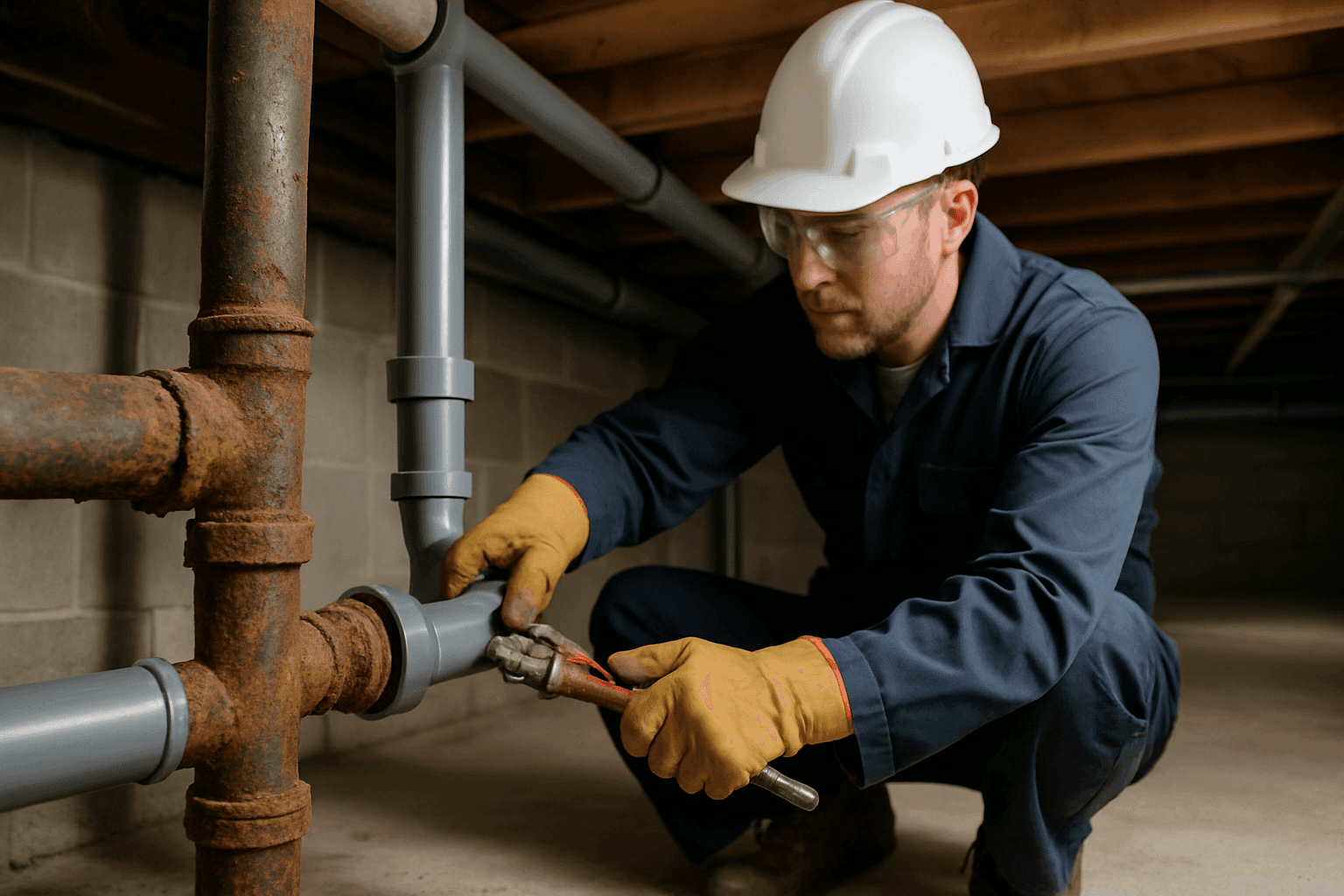
If your home is old enough to feel like it has stories to tell, there’s a good chance its pipes do too. Leaks, discolored water, and weak water pressure are more than just annoyances—they’re signals your plumbing might be stuck in the past.
Repiping isn’t just about fixing a leak. It’s about peace of mind and making your home ready for years to come. At Argos Plumbing, we help homeowners through this journey every week. Let’s break down what to expect, the hurdles you might face, and how to make repiping as smooth as possible.
Why Older Homes Need Repiping 🏠
Old pipes are like ticking clocks. Eventually, they run out of time. If your house was built before the 1980s, chances are the original pipes are made from galvanized steel, iron, or even lead. Over time, these materials corrode, rust, and sometimes even leach harmful substances into your water.
- Corrosion eats away at pipes, causing leaks and bursts.
- Mineral buildup narrows pipes, turning a strong shower into a trickle.
- Lead pipes pose health risks, especially for children and pregnant women.
Even copper pipes, which became popular in mid-century homes, can develop pinhole leaks or suffer from acidic water. Replacing old pipes is more than a cosmetic upgrade—it’s about safety, property value, and daily comfort.
Common Challenges in Repiping Older Homes
Repiping isn’t a simple swap. It’s more like opening a mystery novel: you don’t know what you’ll find until you start turning the pages.
1. Access Issues
Older homes weren’t built for modern repairs. Pipes may be tucked behind thick plaster, under original hardwoods, or in hard-to-reach crawlspaces. Getting to them without damaging your home takes skill and careful planning.
2. Outdated Materials
- Galvanized steel rusts from the inside out.
- Cast iron drains can crack or clog.
- Polybutylene (used in some 1970s-90s homes) is prone to sudden failure.
Each material needs its own strategy for safe removal and replacement.
3. Building Code Surprises
Plumbing codes have changed a lot. What passed inspection 50 years ago won’t fly today. Modern standards require updated venting, safe materials, and sometimes even rerouting pipes for safety or efficiency. Staying up-to-date with codes (refer to the International Plumbing Code and local regulations) is crucial to pass inspection and keep your insurance valid.
4. Hidden Hazards
Opening up walls can reveal asbestos insulation, lead solder, or mold. It’s not just about plumbing—it’s about protecting your health and your investment.
Best Practices for Upgrading Pipes
Choosing the right approach makes all the difference. Here’s how the professionals at Argos Plumbing tackle repiping:
- Assessment First: We inspect visible pipes, water pressure, and past repairs. Leak detection tools help pinpoint hidden trouble spots.
- Material Matters: Today’s homes use PEX and copper for supply lines, and durable PVC or ABS for drains. These materials last longer, resist corrosion, and are easier to repair down the road.
- Minimize Disruption: Strategic cuts are made in walls or floors to access pipes. We work in sections, so your whole house isn’t torn apart at once.
- Protect Your Home: Drop cloths, dust barriers, and clean-up routines keep your space livable during the project.
- Code Compliance: Every step is done to current standards. Final inspections ensure your new pipes are safe and legal.
For more info on pipe repair, see our pipe repair service page.
How to Prepare for a Repiping Project 📝
A little planning goes a long way. Here’s what to do before the work starts:
- Clear Access: Move furniture and valuables away from plumbing walls.
- Plan for Water Outages: You may be without water for stretches. Fill tubs or buckets for essentials.
- Communicate Special Needs: Let your plumbing team know if anyone in the home has health issues, remote work, or other needs.
- Secure Pets: Loud noises and open doors can stress animals—make a safe space for them.
- Expect Some Dust: Cover electronics and sensitive items in work areas.
What to Expect During a Repiping Project
Repiping isn’t a one-afternoon job. Here’s the usual flow:
Day 1: Assessment and Prep
- Final walk-through with your plumbing team.
- Lay down protective coverings and set up dust barriers.
- Shut off water as needed.
Day 2–4: Removal and Installation
- Old pipes are carefully removed—sometimes in sections.
- New pipes are installed, tested, and connected.
- Water is restored in phases so you’re not left high and dry.
Day 5+: Finishing Touches
- Walls and floors are patched up.
- Final inspection is scheduled.
- Clean-up and walkthrough with you.
Disruptions: Yes, there will be noise, dust, and some water shut-offs. But careful planning keeps these to a minimum. Most whole-home repipes take 3–7 days, depending on house size and complexity.
Practical Tips for a Smooth Repiping Experience
- Stay flexible: Surprises behind the walls are common.
- Ask questions: Good communication helps everyone.
- Budget for patching: Plan for repainting or minor repairs to walls and floors afterward.
- Keep documents: Save permits, warranties, and inspection reports for your records.
Real-World Costs and Scheduling
Repiping isn’t cheap, but think of it as investing in your home’s foundation. Costs vary by:
- Home size and number of fixtures
- Pipe material choices (PEX, copper, etc.)
- Local labor rates and code requirements
- Amount of finish work needed
Expect a range from a few thousand to several thousand dollars for a typical single-family home. Time frames? Most jobs finish within a week, but complex layouts or hidden problems can add days.
For more details on our process, see Repiping.
Frequently Asked Questions
How do I know if my home needs repiping?
Look for frequent leaks, rusty or yellow water, low water pressure, or pipes made from lead or galvanized steel. Recurring repairs are a big clue.
Will my daily routine be disrupted?
There will be some disruption—water shut-offs, noise, and dust. We work in sections to minimize downtime, and you’ll always have advance notice.
What materials are best for new pipes?
PEX and copper are the top choices for supply lines, with PVC or ABS for drains. Each has pros and cons, but all are durable and code-compliant.
Can I live in my home during the work?
Yes, most families stay home during a repipe. We coordinate water shut-offs and keep you updated every step of the way.
Local and Seasonal Considerations 🌡️
Seasonal weather can affect scheduling and water shut-off timing. In winter, protecting exposed pipes from freezing is critical during installation. If you’re planning a kitchen renovation or bath remodel, combining projects can save time and money—like tackling Kitchen Plumbing near you at the same time.
Closing Thoughts
Repiping an older home is a big step, but it’s worth it for peace of mind and a plumbing system you can count on. If you’re noticing warning signs, don’t wait for a major leak. Reach out to the team at Argos Plumbing. Our experience helps you avoid common headaches and enjoy safe, reliable water for years to come.
Call Argos Plumbing now — or reach us anytime at 844-484-9980 .