Pipe Repair Solutions: Temporary Fixes and Permanent Repairs
Are you staring at a dripping pipe, feeling a little panic set in? You’re not alone. Pipe leaks have a way of sneaking up at the worst times—right before a dinner party, in the dead of night, or when you’re away for a weekend. At Argos Plumbing, we’ve seen it all, and we know how stressful a plumbing emergency can be.
Let’s walk through what you can do right now, which steps are safe for homeowners, and when it’s smart to call in a professional. We’ll cover fast fixes, permanent repairs, and how to spot warning signs before small leaks turn into big headaches.
Pipe Leak Emergencies 🚨
Water doesn’t wait. When a pipe bursts or springs a leak, every second counts. The sound of dripping water behind a wall or under the kitchen sink can feel like the ticking of a time bomb. Left unchecked, that small leak can cause thousands of dollars in damage—ruining drywall, warping floors, and inviting mold to move in like an unwelcome guest.
A pipe emergency can happen anywhere: in your bathroom, kitchen, basement, or laundry room. Common causes include:
- Old, corroded pipes
- Sudden pressure changes
- Freezing and thawing cycles
- Accidental bumps from home repairs or moving appliances
If you notice water pooling, hear hissing, or see a sudden drop in water pressure, act quickly—these are red flags that demand immediate attention.
Temporary Fixes: What You Can Do Fast
Sometimes, you just need to stop the bleeding until help arrives. Temporary pipe repairs aren’t meant to last, but they can buy you valuable time and save your home from further damage.
Pipe Repair Tape
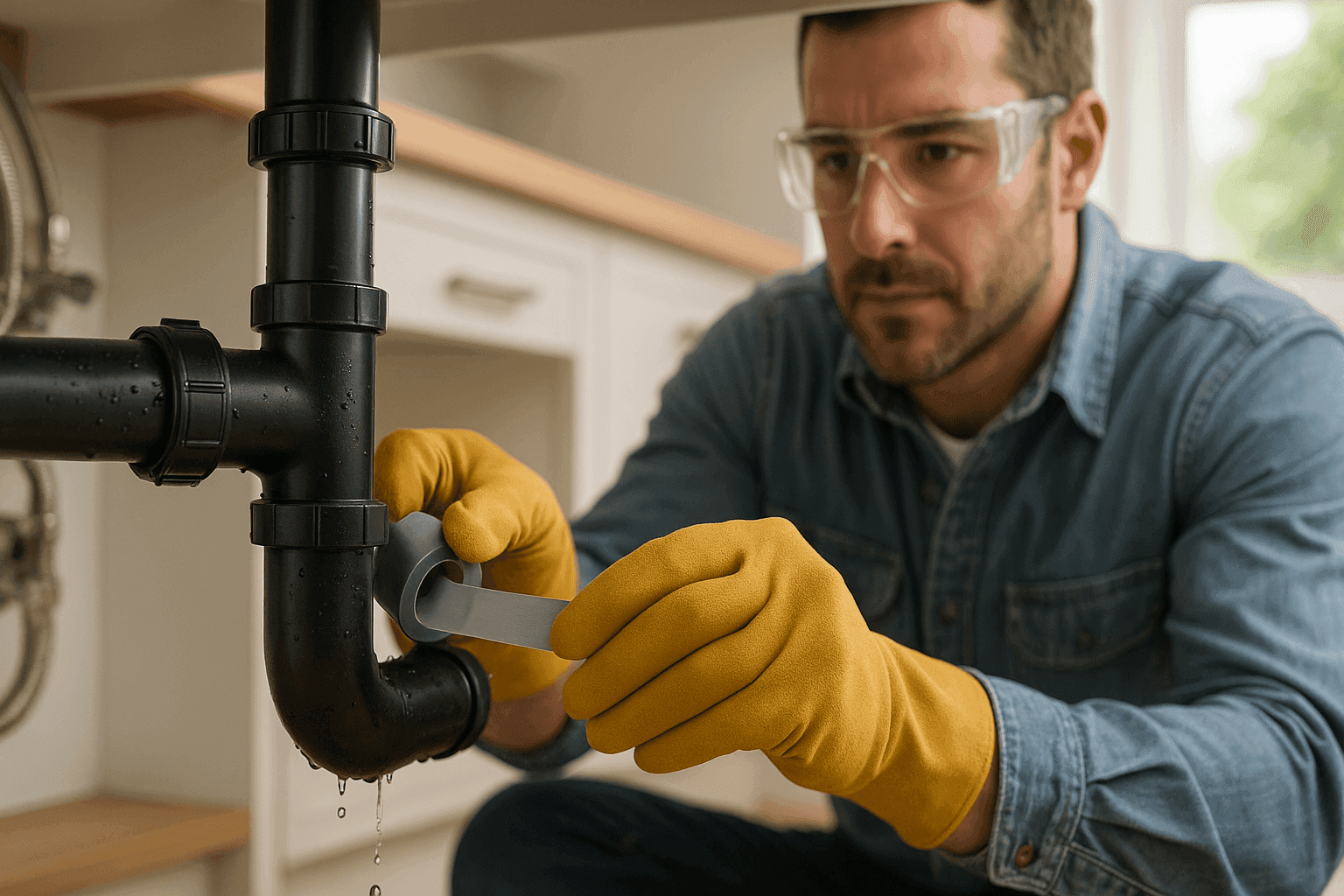
Pipe repair tape is like a bandage for your plumbing. It’s stretchy and waterproof, designed to wrap tightly around small leaks. Here’s how to use it:
- Turn off the main water supply.
- Dry the area as much as possible.
- Wrap the tape firmly around the leak, overlapping each layer.
- Turn the water back on briefly to check for drips.
Pipe Clamps
A pipe clamp can pinch the leak shut. It’s a metal or plastic bracket with a rubber pad that presses firmly over the hole. You’ll find these at most hardware stores.
- Position the rubber pad over the leak.
- Tighten the clamp around the pipe.
- Check for leaks.
Epoxy Putty
For small holes or cracks, epoxy putty can be pressed into the damaged area. It hardens like clay, sealing the leak temporarily.
Remember: These are stopgaps, not solutions. Think of them like a spare tire—they’ll get you to safety but aren’t meant for long drives.
Risks of DIY (And When to Pause)
It’s tempting to roll up your sleeves and fix things yourself. Plumbing, though, isn’t always a friendly beast. Water and gas lines are not forgiving when handled without proper tools or know-how.
Safety First
- Never attempt repairs on gas lines without a licensed plumber.
- If water is near outlets or electrical panels, shut off power to the area.
- Wear gloves and eye protection.
- Know where your main water shutoff valve is located—mark it for everyone in the house.
Attempting DIY repairs on hidden or complex leaks can sometimes make things worse, leading to larger bursts, water damage, or even voiding your homeowner’s insurance.
If you’re unsure, it’s best to call in a professional for services like pipe repair or leak repair.
Permanent Repair Methods
Temporary fixes are only the first chapter. For peace of mind and a safe home, permanent pipe repairs are a must.
Professional Pipe Replacement
For serious leaks or corroded sections, a plumber may cut out the damaged pipe and install a new section using proper fittings. This ensures a watertight seal that meets local plumbing codes.
Soldering and Welding
Copper pipes are often repaired by cleaning the area and using a torch to solder new joints. This process creates a strong, leak-free connection.
PEX and PVC Repairs
Modern homes may use plastic piping. Plumbers use special couplings and solvent cement to make durable repairs that last.
All repairs should follow local plumbing codes and safety standards—check with authorities like the International Association of Plumbing and Mechanical Officials (IAPMO) or your state’s regulations for details.
When to Replace Pipes
Sometimes, a patch isn’t enough. If your home has:
- Pipes more than 50 years old
- Repeated leaks in the same area
- Discolored, rusty water
- Visible corrosion or flaking
…it’s time to consider full repiping. Replacing old pipes is an investment in your home’s safety and value. It also helps prevent future emergencies, keeps your water clean, and improves water pressure.
For more on repiping, see Pipe Repair near me.
Quick Safety Checklist
Before you touch a wrench or tape, run through this checklist:
- Turn off the main water supply.
- If dealing with a gas leak, evacuate immediately and call your utility.
- Remove electrical devices from wet areas.
- Wear protective gear.
- Only attempt minor, visible repairs—never open walls or floors unless you’re trained.
Why Call a Pro?
Licensed plumbers do more than patch leaks. They diagnose hidden problems, use professional tools, and make repairs that last. At Argos Plumbing, our team checks for:
- Underlying corrosion or pressure issues
- Signs of mold or water damage
- Code compliance for all repairs
If you’re dealing with repeated leaks, low water pressure, or unexplained water bills, professional help is your best bet. We handle everything from emergency plumbing to detailed inspections.
What Pros Do On Arrival
When you call Argos Plumbing, here’s what to expect:
- Immediate leak assessment and water shutoff.
- Careful inspection of the area, including hidden spots.
- Use of leak detection tools—like moisture meters and cameras.
- Clear explanation of your options.
- Permanent repair or replacement following all safety codes.
Our goal is to leave your home safer than we found it.
Prevention & Maintenance
A little prevention goes a long way. Here’s how to keep pipes in top shape:
- Insulate pipes before winter to prevent freezing.
- Schedule annual plumbing inspections.
- Address small leaks promptly.
- Avoid harsh chemical drain cleaners—they can eat through pipes.
- Watch for slow drains or low pressure, which could signal bigger issues.
Simple steps today can save thousands tomorrow.
Costs & Time Factors
Every home is different. Factors that affect pipe repair costs and timing include:
- Pipe location and accessibility
- Pipe material (copper, PVC, PEX)
- Severity of the leak
- Extent of water damage
Temporary fixes can be done in minutes, while permanent repairs may take several hours. Larger projects like repiping can require a few days, especially in older homes.
When It’s an Emergency
Call for help immediately if you notice:
- Gushing water or rapidly pooling water
- Water near electrical outlets
- Wet ceilings or bulging walls
- Sudden loss of water pressure
- Signs of a gas leak (rotten egg smell, hissing sound)
In these situations, don’t wait—safety comes first. Shut off water or gas and call Argos Plumbing right away.
FAQ
How do I find my main water shutoff valve?
Look near where the water line enters your home—usually in a basement, crawlspace, or utility closet. Mark it clearly for emergencies.
Can I use duct tape for a pipe leak?
Duct tape is not waterproof and won’t hold under pressure. Use pipe repair tape or a clamp for temporary fixes.
How often should pipes be inspected?
We recommend a full plumbing inspection every year, especially for homes over 30 years old.
Is a small drip really a big deal?
Even small drips can waste gallons of water and cause structural damage over time. Address leaks as soon as you spot them.
Local/Seasonal Considerations
Winter freezes, summer storms, and old homes all bring their own set of challenges. In colder months, insulate exposed pipes to prevent freezing and bursting. After heavy rains, check basements and crawlspaces for hidden leaks or water pooling.
For homes with mature trees, watch for root intrusion in sewer lines—a common cause of hidden leaks. Schedule seasonal plumbing checks for peace of mind.
Pipe leaks don’t wait, and neither should you. If you spot a leak or need advice on your home’s pipes, Argos Plumbing is ready to help—day or night.
Call Argos Plumbing now — or reach us anytime at 844-484-9980 .