Leak Detection Tips: How to Spot Hidden Water Damage Early
Have you ever found a puddle on your kitchen floor with no idea where it came from? Or maybe you’ve noticed a musty smell but can’t see any water at all. Hidden leaks are sneaky. They quietly eat away at your home until, suddenly, you’re facing costly repairs.
At Argos Plumbing, we know how overwhelming it is to worry about invisible plumbing problems. That’s why we’ve put together this guide—for homeowners who want to catch leaks before they become disasters.
Why Hidden Leaks Are Dangerous 🕳️
You can’t fix what you can’t see. Hidden leaks snake behind walls, under floors, and above ceilings. Over time, they can:
- Rot wooden beams and framing.
- Invite mold and mildew (which can lead to serious respiratory issues).
- Cause paint and drywall to bubble or crumble.
- Spike your utility bills.
- Compromise your home’s structural safety.
Think of leaks as termites with water—slowly weakening the bones of your house. According to the International Association of Certified Home Inspectors (InterNACHI), water damage is one of the most common and costly problems for homeowners.
Signs of Hidden Water Damage
Spotting a hidden leak is a bit like detective work. The clues are there—you just need to know where to look.
- Unexplained water stains: Brown, yellow, or copper-colored patches on ceilings or walls.
- Peeling paint or wallpaper: Especially in corners or behind sinks.
- A musty or earthy smell: Mold loves moisture.
- Warped flooring: Hardwood that’s suddenly buckling or tile that feels loose.
- Sudden drop in water pressure: Pipes may be leaking somewhere out of sight.
- Unusual sounds: Listen for dripping, hissing, or the quiet rush of water when faucets are off.
- Unexpectedly high water bills: Your meter doesn’t lie.
If you notice one or more of these signs, it’s time to start investigating.
DIY Leak Detection Methods
You don’t need fancy gadgets to catch many leaks—just sharp eyes and a little patience.
1. Check Your Water Meter
- Turn off all faucets and water-using appliances.
- Locate your home’s water meter (usually in the basement, crawl space, or outside).
- Write down the number. Wait two hours (don’t use any water), then check again.
- If the number has changed, you likely have a leak.
2. Inspect Under Sinks and Cabinets
- Use a flashlight.
- Look for moisture, rust, or white mineral deposits on pipes.
- Run your hand along joints and connections for dampness.
3. Look Behind Appliances
- Pull out your fridge, dishwasher, and washing machine.
- Check hoses and the floor for any signs of standing water or discoloration.
4. Use Tissue Paper
- Press a dry tissue against pipe joints, valves, and shut-offs.
- Even a small leak will leave a damp spot behind.
5. Monitor for Mold
- Mold can appear as dark spots or fuzzy patches on walls and ceilings.
- It often grows in bathrooms, laundry rooms, and basements.
When to Use Professional Tools
Some leaks hide where you can’t reach—or even see. That’s when special tools make the difference.
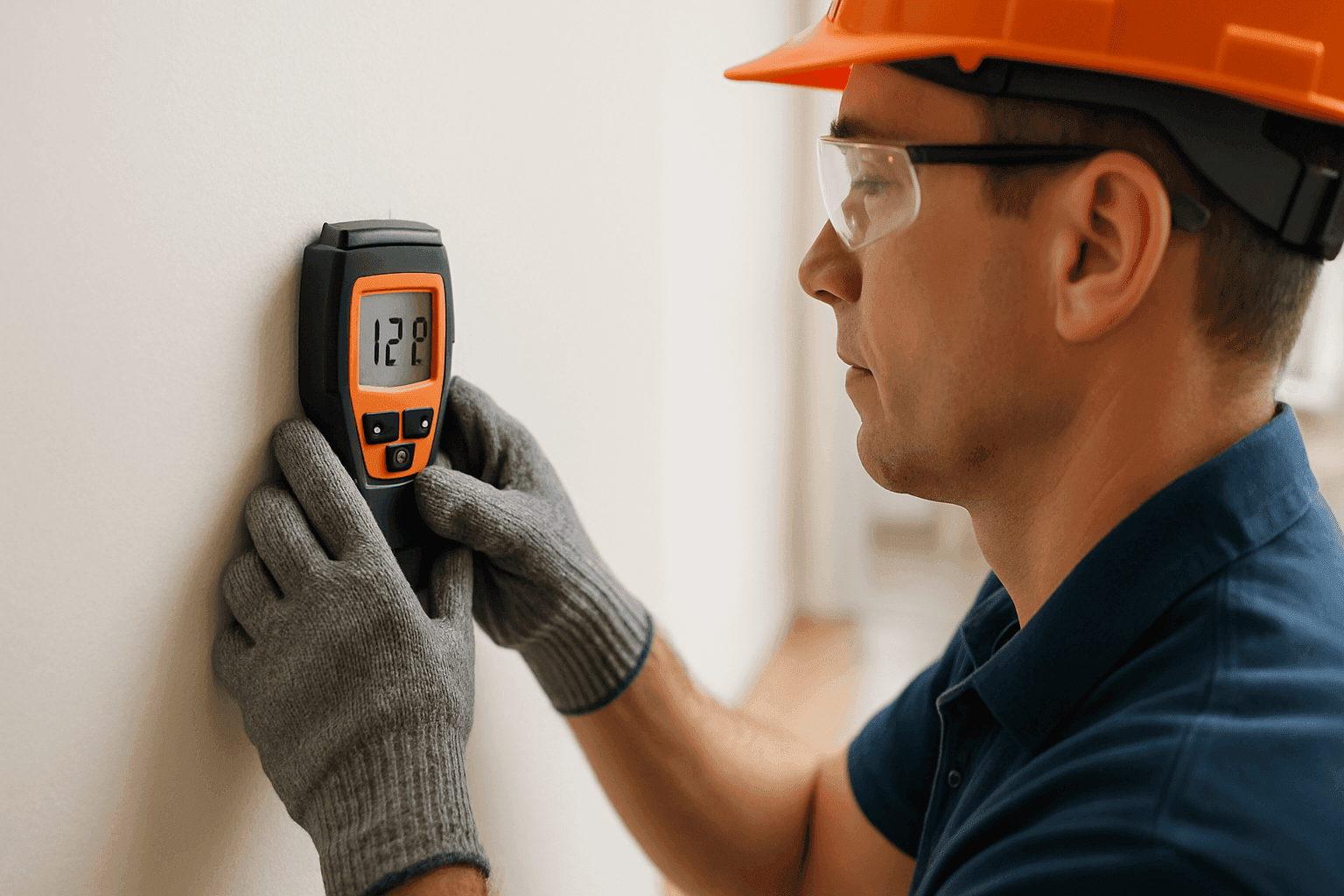
- Moisture meters: These handheld devices sense dampness inside walls or floors. They’re like a sixth sense for hidden water.
- Infrared cameras: Detect temperature differences, showing cold spots where water may be lurking.
- Acoustic sensors: Hear the subtle sounds of dripping or running water inside pipes.
If you suspect a leak but can’t find the source, Leak Detection near me can help. Our licensed technicians at Argos Plumbing have the right equipment to pinpoint even the most elusive leaks.
Preventing Mold and Structural Damage 🏠
Early leak detection isn’t just about saving money. It’s about protecting your family’s health and your home’s integrity.
- Dry out any wet areas immediately.
- Use dehumidifiers in damp spaces.
- Ventilate bathrooms, kitchens, and laundry rooms.
- Fix minor leaks as soon as you spot them—don’t wait for them to get worse.
- Schedule regular plumbing inspections, especially if your home is older or you’ve had leaks before.
The Environmental Protection Agency (EPA) recommends addressing water leaks within 24–48 hours to prevent mold growth.
Quick Safety Checklist
Before you start any DIY investigation:
- Shut off power if you suspect water near electrical outlets.
- Wear gloves and a mask if you’re checking for mold.
- Don’t open up walls or ceilings unless you’re sure there are no electrical wires or gas lines.
- If you see standing water near your electrical panel, call a professional immediately.
DIY vs. Calling a Pro
Some leaks are simple—a loose faucet or visible pipe drip you can tighten yourself. But others are wolves in sheep’s clothing.
DIY is fine for:
- Tightening connections under the sink.
- Replacing a worn washer or faucet cartridge.
- Clearing minor clogs.
Call a pro for:
- Leaks inside walls, floors, or ceilings.
- Persistent musty odors or mold growth.
- Sudden drops in water pressure throughout your home.
- Water stains that keep growing, no matter what you do.
Our leak-repair team handles the tough jobs so you don’t have to tear your home apart looking for answers.
What Pros Do On Arrival
When Argos Plumbing arrives, we don’t just guess. We use a step-by-step process:
- Visual inspection: Looking for stains, warping, or mold.
- Moisture detection: Using meters to find hidden damp spots.
- Pressure testing: Checking your system for drops that signal leaks.
- Thermal imaging: Spotting cold, damp areas behind surfaces.
- Pinpointing the leak: With minimal disruption to your home.
We follow local plumbing codes and safety guidelines with every visit.
Prevention & Maintenance 🛠️
A little attention now saves big headaches later. Here’s how to keep leaks at bay:
- Don’t ignore small drips—they rarely fix themselves.
- Insulate pipes in basements, crawl spaces, and exterior walls to prevent winter bursts.
- Check washing machine hoses every year. Replace if bulging or cracked.
- Know where your main water shut-off is located and how to use it.
- Schedule annual plumbing checkups, especially if you’ve had issues before.
For ongoing peace of mind, our leak-detection service includes preventative inspections tailored to residential needs.
Costs & Time Factors
Catching leaks early almost always costs less than waiting. Here’s what to expect:
- DIY fixes: Tightening a joint or replacing a washer—minimal cost and time.
- Professional detection: Usually completed in a single visit, using advanced tools. Costs vary by leak location and severity.
- Major repairs: Extensive water damage may mean drywall, flooring, or even framing repairs.
Remember, water damage can multiply fast. A slow drip today can become a major repair tomorrow.
When It’s an Emergency 🚨
Some leaks can’t wait. If you notice:
- Water pouring from ceilings or walls.
- Flooding in your basement, laundry, or bathroom.
- Sewer odors inside your home.
- Water near your electrical panel.
Shut off your home’s main water supply and call Argos Plumbing right away. Don’t risk your safety—or your home.
Frequently Asked Questions
How often should I check for leaks?
At least twice a year—or any time you notice a spike in your water bill, a musty odor, or visible stains.
Can leaks fix themselves?
Rarely. Even minor leaks tend to worsen over time, leading to bigger problems.
Will insurance cover hidden leaks?
Some homeowner policies cover sudden water damage, but not damage from long-term neglect. Check your policy details.
What’s the most common hidden leak spot?
Bathrooms and kitchens—especially under sinks, behind tubs, and around toilets—are prime suspects.
Local & Seasonal Considerations
Illinois winters can be brutal. Frozen pipes are a leading cause of hidden leaks, especially in basements and crawl spaces. Before the first freeze, insulate exposed pipes and let faucets drip slowly during deep cold spells.
If you live in an older home, schedule a plumbing inspection each spring to catch any winter damage early.
Hidden leaks are silent troublemakers. A little vigilance, a few smart checks, and quick action can keep your home safe and dry. For peace of mind—or when you can’t find the problem—call the Argos Plumbing team.
Call Argos Plumbing now — or reach us anytime at 844-484-9980 .