Leak Detection Costs: What Impacts Pricing?
Have you ever walked into your kitchen and heard a mysterious drip? Or maybe your water bill suddenly soared, leaving you scratching your head. Plumbing leaks often hide behind walls and under floors, quietly causing chaos. At Argos Plumbing, we know that fast action saves money—and headaches.
Understanding leak detection costs can feel overwhelming. With so many factors at play, it’s natural to wonder what you’re truly paying for and how you can get ahead of plumbing problems before they spiral.
Typical Leak Detection Costs 💧
How much should you expect to pay for leak detection? The answer isn’t as simple as a single number. Leak detection costs can range widely, depending on the complexity of the problem and your home’s plumbing setup. Most homeowners in need of Kitchen Plumbing near you or bathroom leak checks find that prices typically fall within a few key brackets:
- Basic leak detection: Entry-level, often for small, accessible leaks (like under sinks or visible pipes).
- Advanced detection: Involves specialized tools to locate leaks hidden in walls, ceilings, or underground.
- Whole-home inspections: Recommended if you suspect multiple issues or if your home has older piping.
Nationally, costs can range from $150 to $500 or more, according to the International Association of Certified Home Inspectors. Emergency visits or leaks in hard-to-reach places may cost more. But here’s the takeaway: the sooner you act, the more you can control these costs.
Factors That Affect Price
Why do leak detection costs vary? Picture plumbing like a maze. The more twists, turns, and hidden paths, the harder it is to find the problem.
Key factors include:
- Location of the leak: Leaks under slabs, behind tile, or in crawl spaces require more effort to diagnose.
- Type of plumbing material: Copper, PVC, and galvanized pipes each present different detection challenges.
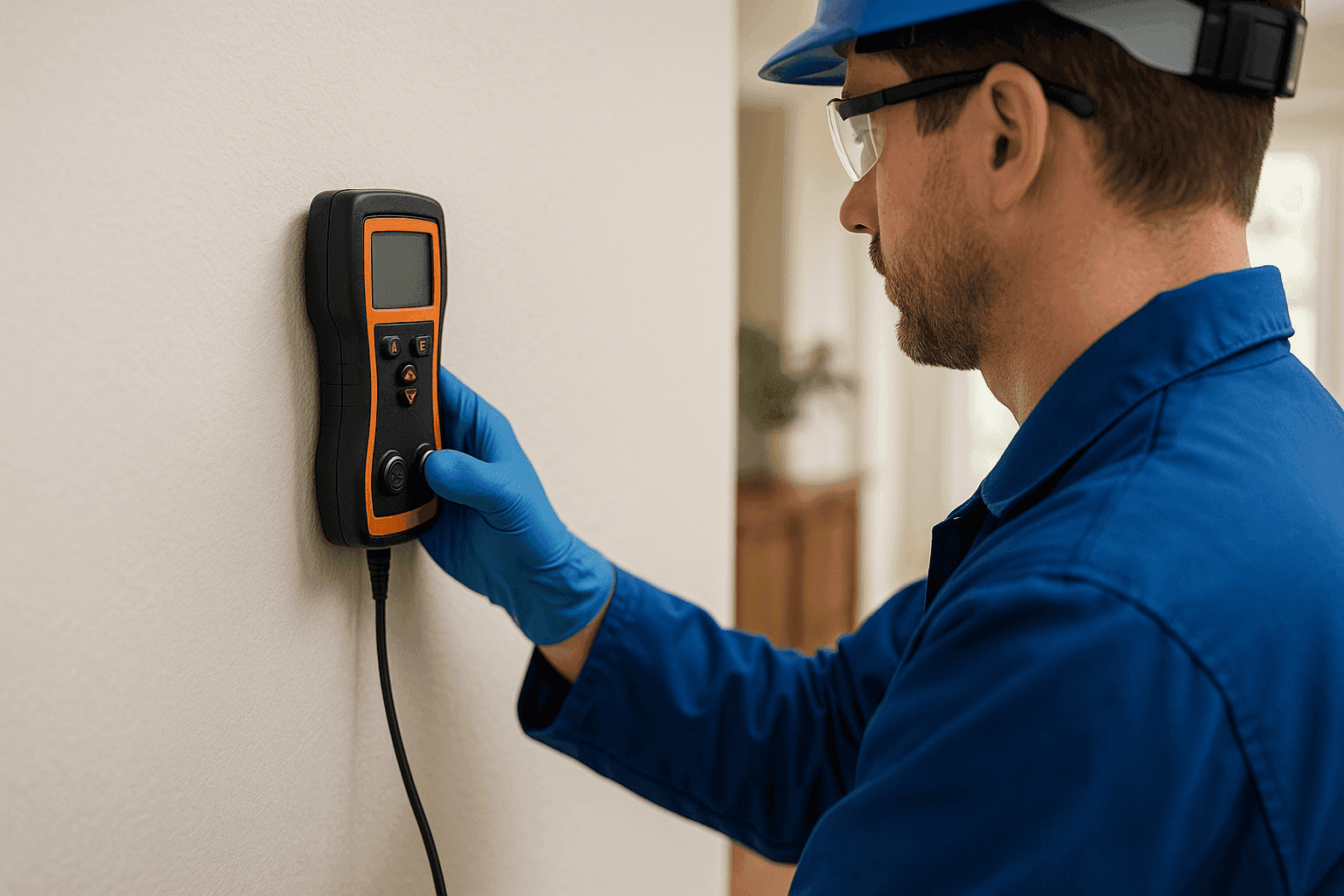
- Equipment required: Thermal imaging, acoustic sensors, and moisture meters aren’t standard-issue tools.
- Accessibility: If a plumber needs to move appliances or cut into walls, labor time goes up.
- Severity: Small drips are often easier (and cheaper) to find than major bursts.
Each situation is as unique as your home’s layout. That’s why a thorough assessment matters. Our leak-repair team always explains what’s included before work begins.
DIY vs. Pro Methods
It’s tempting to play detective with a flashlight and a towel. Sometimes, you’ll get lucky—tightening a loose fitting or spotting a puddle under the sink. But plumbing leaks are sneaky.
DIY leak checks work best when:
- The leak is visible and easy to reach.
- It’s a minor drip, like a loose faucet or a worn-out washer.
- You’re comfortable turning off water and using basic tools.
But call a pro when:
- You hear running water but can’t find the source.
- Walls or ceilings feel damp.
- You notice mold, musty smells, or unexplained water stains.
- Water pressure drops suddenly.
Professional plumbers use advanced tools. For example, acoustic leak detectors can “hear” a leak in a pipe behind your shower wall, much like a doctor uses a stethoscope to listen for a heartbeat. Thermal cameras spot temperature differences that reveal hidden water. These methods save time, prevent extra damage, and pinpoint the problem.
Value of Fast Leak Detection
Time is everything with plumbing leaks. A slow drip can turn into a flood in the blink of an eye. Fast detection:
- Cuts down on water damage.
- Prevents mold and mildew.
- Lowers your repair bill.
- Preserves your home’s value.
Even a small leak wastes gallons of water daily, according to the Environmental Protection Agency. That’s money literally going down the drain. Quick action protects your investment and your health.
What’s Included in Professional Leak Detection
When you hire Argos Plumbing for leak-detection, you’re getting more than just a quick look around. Our process covers:
- A detailed inspection of visible and hidden plumbing.
- Use of non-invasive technology (so we don’t have to tear into walls unless absolutely necessary).
- Clear explanation of findings, with photos or readings if needed.
- Recommendations for repairs, prioritizing what’s urgent.
- Guidance on preventing future leaks.
We follow local building codes and the latest safety guidelines from the Uniform Plumbing Code.
How to Budget for Leak Detection
Budgeting for leak detection is much like planning for a car tune-up. You hope you won’t need it—but you’re glad you’re prepared if issues arise.
Tips to help you budget:
- Set aside a small fund for home maintenance each year.
- Address small leaks immediately to avoid bigger costs later.
- Ask for clear estimates and explanations before work starts.
Remember, leak detection is an investment in your home’s future. The cost of early detection is often far less than repairing water damage or replacing ruined flooring.
DIY Leak Detection Checklist
If you want to check for leaks yourself, start with these steps:
- Listen for running water when all taps are off.
- Check under sinks and behind toilets for drips or puddles.
- Inspect ceilings and walls for new stains or bubbling paint.
- Look at your water meter. If it’s spinning when you’re not using water, you may have a hidden leak.
If anything seems off, don’t wait—call in a pro.
Why Professional Tools Matter
You wouldn’t try to find a missing sock in the dark without a flashlight. Likewise, professional leak detection uses specialized tools that shine a light on hidden problems.
- Acoustic sensors: Detect leaks by listening for the sound of escaping water.
- Thermal cameras: Spot changes in wall temperature that signal moisture.
- Moisture meters: Measure how wet materials are—crucial for finding leaks behind tile or drywall.
These tools help us find leaks quickly and avoid unnecessary damage to your home.
Prevention and Maintenance Tips
An ounce of prevention is worth a pound of repair. To keep plumbing leaks at bay:
- Schedule annual plumbing checks, especially in older homes.
- Replace worn-out washers and supply lines.
- Watch for early warning signs: slow drains, low water pressure, or odd noises.
- Invest in water alarms for basements and near water heaters.
Keeping up with preventative maintenance means fewer surprises—and more peace of mind.
FAQ
How long does leak detection take?
Most standard leak detection visits take one to two hours, but complex situations may require more time.
Does insurance cover leak detection?
Some homeowners’ policies cover water damage but not the cost of finding the leak. Check with your insurer for specifics.
Can I stay home during leak detection?
Yes, and our plumbers will explain every step as they go.
Will you have to cut into my walls?
Usually not. Our goal is to use non-invasive methods first.
Local and Seasonal Considerations
In Connecticut, seasonal shifts can stress pipes—especially during freeze-thaw cycles. Winter brings a higher risk of burst pipes and hidden leaks, while heavy spring rains can drive water into basements. That’s why regular checks and fast response matter year-round.
If you’re looking for Leak Detection help in Middletown, Connecticut, Argos Plumbing is ready to respond—rain, snow, or shine.
Don’t let a small leak turn into a big problem. If you’re seeing signs of trouble, Call Argos Plumbing now — or reach us anytime at 844-484-9980 . We’re here to help you protect your home, one pipe at a time.