Kitchen Plumbing Leaks: How to Spot and Prevent Them
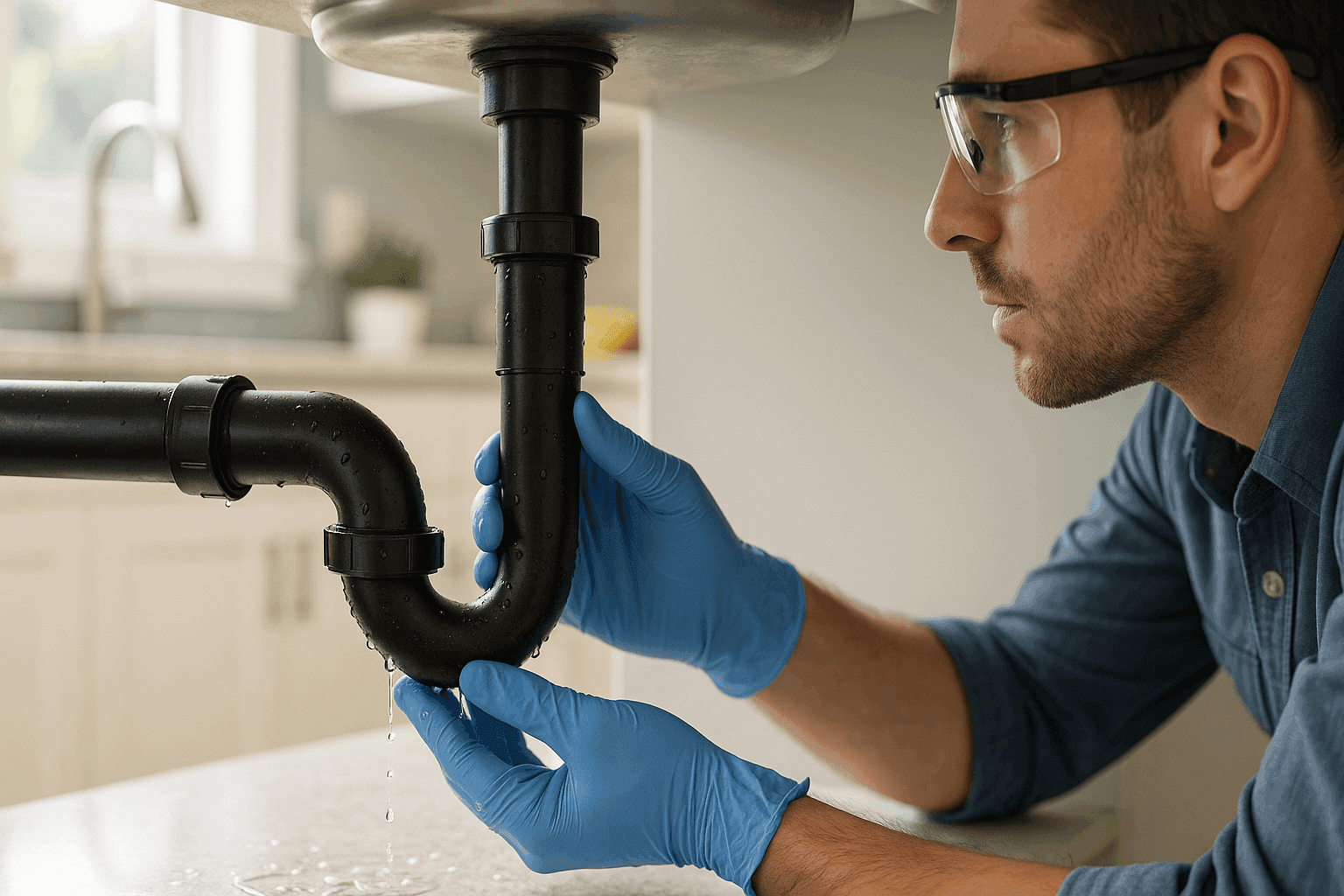
It always starts small—a drip beneath the sink, a faint water stain under your cabinet. Most homeowners know the dread: left unchecked, a simple leak can become a kitchen disaster. At Argos Plumbing, we’ve seen it all. Taking action early can save your cabinets, floors, and wallet.
Water in the wrong place is like an uninvited guest—quiet at first, then suddenly wreaking havoc. If you know what to look for, you can stop a leak before it becomes a flood.
Most Common Kitchen Leaks 🚰
Kitchens are the hub of the home. But with every faucet, dishwasher, and disposal, there’s a risk of leaks. Here are the usual troublemakers:
- Sink drain pipes — The “U” and “S” shaped pipes under your sink are notorious for slow drips.
- Faucet connections — Worn washers or loose fittings can leak right where water enters the faucet.
- Dishwasher hoses — Cracked or loose hoses can leave puddles beneath or behind your dishwasher.
- Garbage disposals — Seals can fail, causing leaks when you least expect it.
- Refrigerator water lines — Ice maker lines are small but can leak quietly for weeks.
Even a tiny leak can cause mold, warped cabinets, or a musty smell that won’t go away. Plumbing leaks rarely fix themselves. They only get worse.
Warning Signs of a Kitchen Leak
Some leaks shout; others whisper. Spotting early signs is crucial. Look out for:
- Water stains or swelling under cabinets or floors
- Dripping sounds when the kitchen is quiet
- Musty or earthy odors near cabinets or baseboards
- Visible mold growing in corners or under sinks
- Increased water bills with no clear reason
If you see any of these, act fast. Water rarely stays put. It travels, seeping into places you can’t see—until it’s too late.
DIY Fixes for Small Leaks
If you spot a drip, don’t panic. Some issues are simple enough for a cautious homeowner to tackle:
- Tighten connections: Grab a wrench and snug up loose nuts under the sink.
- Replace washers or gaskets: Faucets often leak because of worn rubber parts. Shut off the water, remove the handle, and swap out the old washer.
- Use plumber’s tape: For minor leaks in threaded connections, wrap plumber’s tape around the threads before reconnecting.
Safety tip: Always shut off the water supply before you start. If you’re unsure where it is, look for the valve under your sink or near your main water meter.
But remember, some leaks are only the tip of the iceberg. If tightening and tape don’t solve it, there may be a bigger problem lurking out of sight.
Preventing Recurring Leaks
An ounce of prevention beats a gallon of cleanup. Here’s how to keep leaks from coming back:
- Check connections regularly: Every few months, peek under your sink and behind appliances.
- Don’t overtighten: Over-torquing fittings can crack pipes and make leaks worse.
- Mind what goes down the drain: Grease and food scraps clog pipes, leading to pressure and leaks.
- Install water alarms: These small devices alert you to leaks before they get big.
- Schedule annual inspections: A professional eye can catch issues before they escalate.
The International Association of Certified Home Inspectors recommends annual checks for plumbing systems. If you see any corrosion or greenish stains on pipes, act quickly—they’re often the first sign of trouble.
When to Call a Pro 🛠️
Not all leaks are created equal. If you notice any of these, don’t wait:
- Water pooling quickly or soaking into floors
- Persistent leaks after basic fixes
- Mold spreading or a strong damp odor
- Leaks near electrical outlets or appliances
Some repairs require special tools, knowledge of local code, or even permits. That’s where professional plumbing steps in. For homeowners searching for “Kitchen Plumbing near you,” know that repairs done right keep your home dry and your mind at ease.
Check our kitchen plumbing and leak repair service pages for what we can handle—big or small.
Step-by-Step: Spotting a Leak
- Empty the cabinet under your sink.
- Run the faucet and watch the pipes.
- Use a dry paper towel to dab each joint—look for moisture.
- Check hoses to your dishwasher and fridge.
- Sniff for musty odors—your nose can spot leaks before your eyes do.
If you find a leak, trace it to its source. Sometimes water runs along a pipe and drips far from where the problem started.
The Cost of Ignoring Leaks
A slow drip can do thousands in damage. Warped cabinets, ruined floors, and mold remediation are expensive fixes. Insurance may not cover damage if you “should have known” a leak was there.
It’s like ignoring a check engine light on your car—sooner or later, you’ll pay for it.
How Pros Tackle Kitchen Leaks
When you call Argos Plumbing, here’s what happens:
- Inspection: We trace the leak to its source, using moisture meters or leak detection tools.
- Assessment: We check for water damage, mold, and any code issues.
- Repair: Whether it’s a loose fitting or a burst pipe, we fix it right the first time.
- Testing: We run water through the system to make sure the leak is gone.
- Cleanup: Any water left behind is dried up, and your kitchen is left tidy.
We follow guidelines from the Uniform Plumbing Code and local building codes to ensure repairs are safe and lasting.
Preventing Kitchen Leaks: Maintenance Tips 🧰
- Run water through all fixtures weekly to keep seals moist and working.
- Clean your drain traps every month—hair and debris can lead to clogs and leaks.
- Check for loose caulk or grout around sinks and counters.
- Watch your water pressure: Too much pressure can burst pipes. If unsure, have a pro measure it.
- Replace old hoses: Rubber supply lines for dishwashers and fridges should be replaced every five years with braided steel.
Regular care is like brushing your teeth—small habits prevent big headaches.
FAQ: Kitchen Plumbing Leaks
Q: What’s the first thing I should do if I spot a leak?
A: Turn off the water supply under your sink—usually a small knob or lever. Then, mop up any standing water and call a professional if it keeps leaking.
Q: How do I know if I have a hidden leak?
A: Look for unexplained water stains, swelling or soft spots in your cabinets, or a musty smell. An uptick in your water bill is another clue.
Q: Is it safe to fix a leak myself?
A: Small leaks at visible joints can be DIY, but if you’re unsure or the problem keeps returning, call a plumbing professional. Improper repairs can lead to bigger issues.
Q: How often should I check for leaks?
A: A quick monthly check under your sink and behind appliances can catch most leaks before they cause damage.
Local/Seasonal Considerations
Kitchens see heavy use during holidays and family gatherings. More cooking, more clean-up, and more strain on your plumbing. Cold winters can also cause pipes to contract and loosen joints, leading to surprise leaks.
If you live in Peoria or nearby, Kitchen Plumbing for Peoria, Arizona can help you prep for every season.
Final Thoughts
Kitchen leaks are like small fires—catch them early, and you’ll avoid disaster. Regular checks, fast action, and a little know-how can keep your kitchen dry and safe.
If a leak has you stumped—or water just won’t stop—reach out for help. Argos Plumbing is ready when you need us.
Call Argos Plumbing now — or reach us anytime at 844-484-9980 .