Garbage Disposal Safety: What NOT to Put Down Your Drain
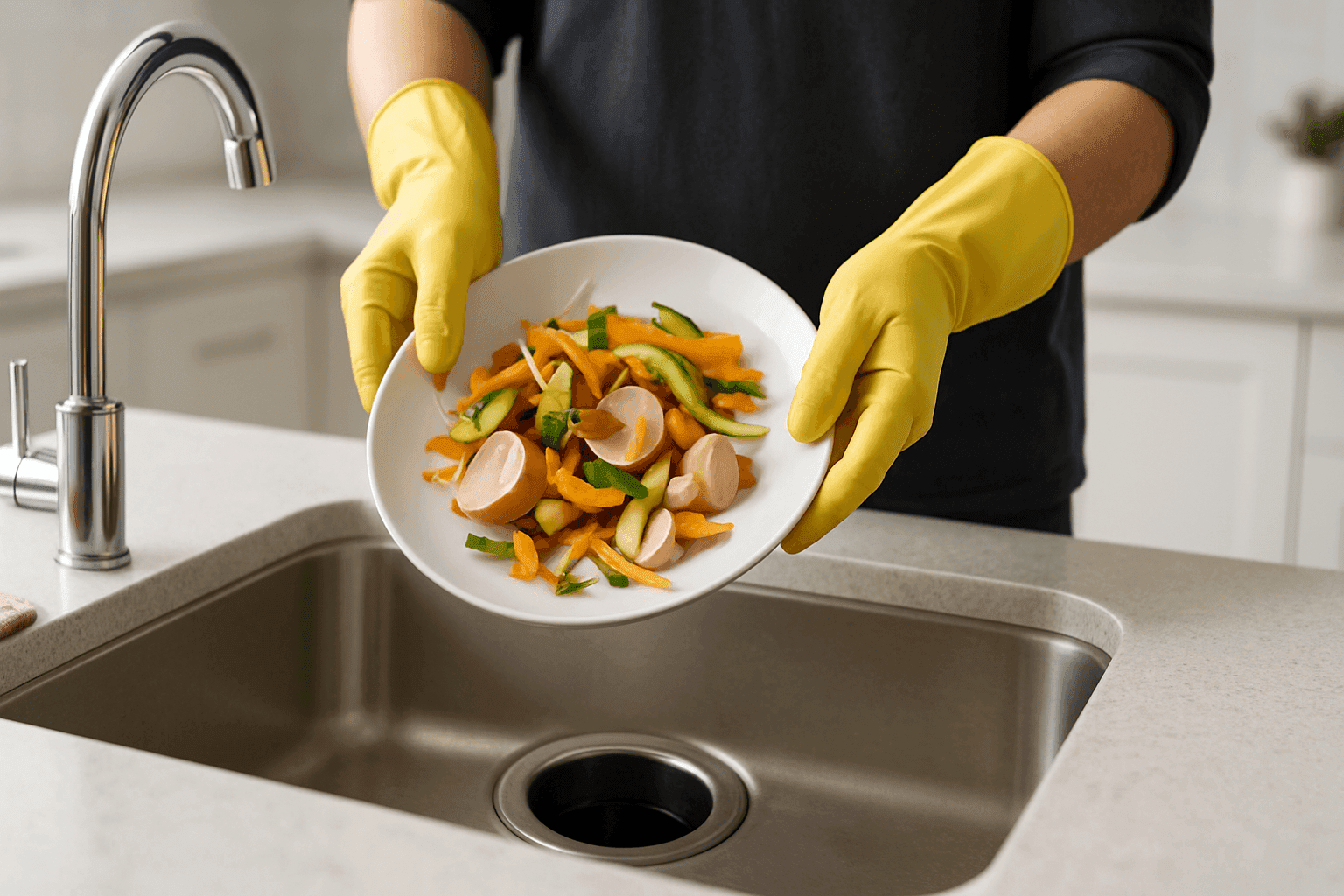
Are you tired of the late-night hum, grind, and sudden silence from your garbage disposal? Kitchen plumbing headaches can strike fast—especially when a disposal jams or stops working. At Argos Plumbing, we see it every week: homeowners frustrated by clogs, leaks, or a disposal that simply won’t budge.
Nobody wants to fork over cash for unnecessary repairs. But the truth is, most disposal disasters are preventable. Knowing what NOT to put down your drain is the first step to keeping things running smoothly. Let’s break it down.
Disposal Dos and Don’ts 🚦
Your garbage disposal is not a bottomless pit. Think of it as a set of tough but delicate teeth—built for small jobs, not chewing through everything in your fridge.
DO:
- Run cold water before, during, and after use. It keeps food moving and prevents grease from hardening.
- Feed scraps slowly, not all at once—like tossing pebbles, not dumping a bucket of rocks.
- Cut larger waste into small pieces for easier grinding.
- Use your disposal for soft, non-fibrous foods (think: the leftovers from a sandwich, not the crusty end of a baguette).
DON’T:
- Pour grease, oils, or fats down the drain. These cool, congeal, and choke your pipes.
- Dump fibrous foods (celery, corn husks, onion skins)—they wrap around the blades and stall the motor.
- Toss in bones, fruit pits, or shellfish shells. These are the equivalent of throwing marbles in a blender.
- Send down coffee grounds, pasta, rice, or potato peels. They clump, expand, and create sludge that’s tough to shift.
The U.S. Environmental Protection Agency and local plumbing codes agree: use disposals wisely and sparingly.
Foods and Objects to Avoid
It might seem harmless to scrape everything off your plate—but your disposal has limits. Here’s what should never go down:
- Grease and oil: Turns to glue in pipes.
- Eggshells: The membrane can tangle blades; the shell grit settles in pipes.
- Coffee grounds: Like pouring sand into your plumbing.
- Pasta and rice: Swell with water, forming a paste that jams the works.
- Fibrous veggies: Celery, asparagus, corn husks, artichokes—these tie up blades.
- Bones, pits, hard shells: Too tough and can break the grinder.
- Non-food items: Twist ties, sponges, glass, metal, plastic—sounds obvious, but you’d be surprised!
- Expandable foods: Bread, oatmeal—absorb water, expand, and clog.
If you wouldn’t chew it yourself, your disposal probably can’t either.
Signs of a Jam
Your disposal will warn you before disaster strikes. Listen for these early signals:
- Loud humming, but no grinding: The motor’s working, but the blades are stuck.
- Water back-up in the sink: Indicates a clog somewhere in the line.
- Persistent foul odors: Food is trapped and rotting out of sight.
- Slow draining: Sludge or debris is blocking your pipes.
- Frequent resets needed: The overload protector is kicking in due to strain.
Don’t ignore these signs. Acting quickly can save you stress—and money.
Cleaning and Maintenance 🧽
A little routine care keeps your kitchen plumbing humming. Here’s how to keep your disposal fresh and functional:
- Flush with cold water: Run for 30 seconds after each use.
- Grind ice cubes: Sharpens blades and scrapes away buildup.
- Use citrus peels: Lemon or orange rinds freshen without harming the unit (in moderation).
- Avoid harsh chemicals: Stick to natural cleaners. Baking soda and vinegar work wonders.
- Inspect for leaks: Check under the sink for moisture or drips—leaks can signal bigger issues.
The International Association of Plumbing and Mechanical Officials recommends these steps for safe disposal operation.
When to Call for Repair
Sometimes, DIY solutions just don’t cut it. Call Argos Plumbing if you notice:
- Persistent jams or humming: Even after trying the reset button.
- Leaks beneath the sink: Water shouldn’t pool under your cabinet.
- Electrical issues: Sparks, flickering lights, or tripped breakers are red flags.
- Unusual noises: Grinding, rattling, or metallic screeches signal internal damage.
- Repeated clogs: If your sink backs up again and again, the problem may be deeper in your pipes.
Find Garbage Disposal Repair near Sherwood, Oregon for professional help that’s fast and reliable.
Extend Your Disposal’s Life
A little caution pays off in the long run. Follow these golden rules:
- Limit what you grind: Use the trash or compost bin for tough or stringy scraps.
- Run water generously: It’s your disposal’s best friend.
- Schedule regular inspections: Preventative maintenance stops small issues from ballooning.
- Act at the first sign of trouble: Don’t ignore slow drains or odd noises.
With smart habits, your disposal can last a decade or more.
Want More Kitchen Plumbing Tips?
Argos Plumbing has your back for all things kitchen plumbing. From installations and leak repair to kitchen plumbing near you, our team keeps your home running smoothly.
If you’re dealing with a stubborn jam, leaking sink, or a disposal that’s seen better days, don’t wait for the mess to get worse. Check out our garbage disposal repair services for safe, lasting fixes.
A well-cared-for garbage disposal is the unsung hero of your kitchen. Treat it right, and it’ll make cleanup a breeze.
Call Argos Plumbing now — or reach us anytime at 844-484-9980 .