Emergency Plumbing: What to Do Before Help Arrives
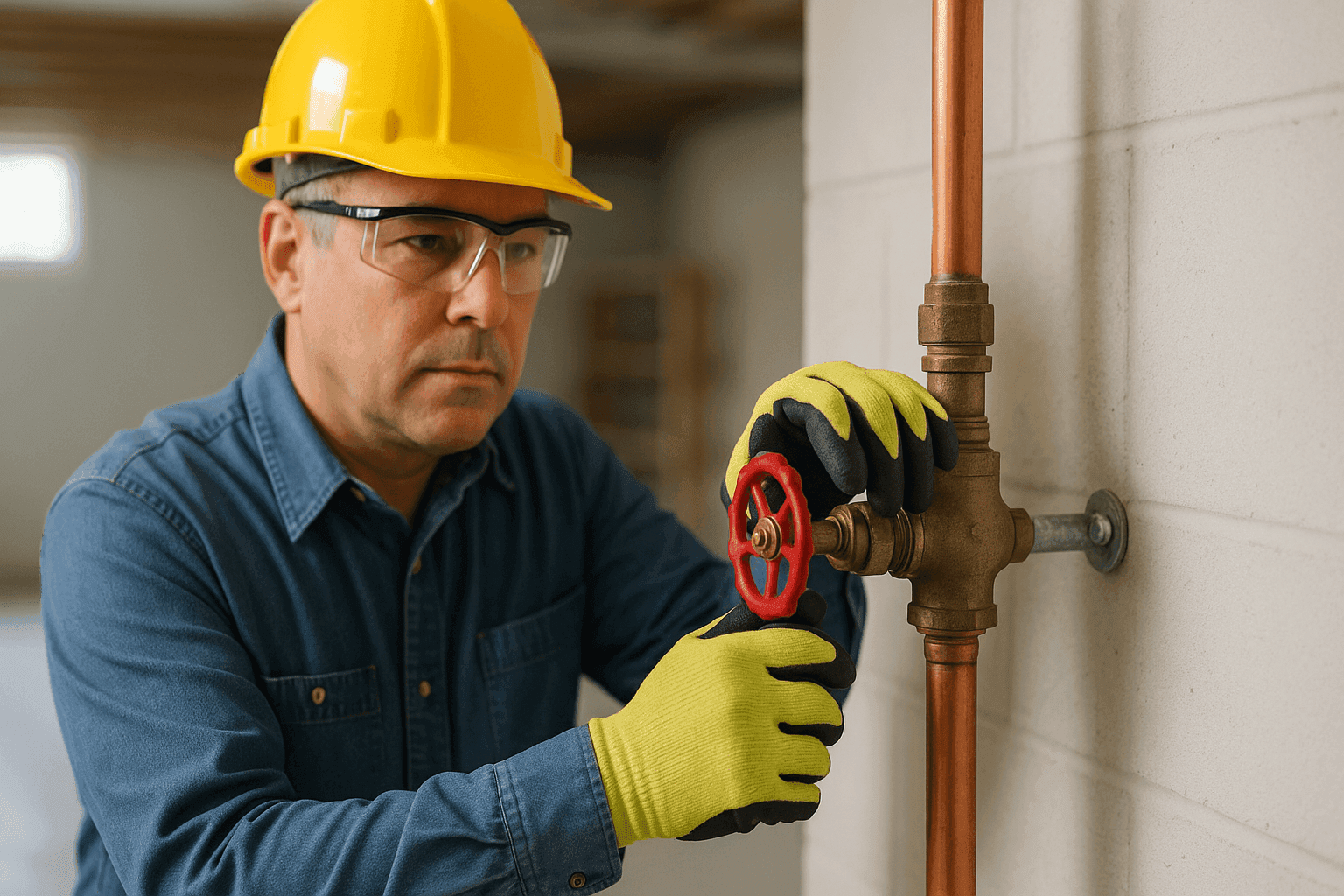
Life rarely gives you a heads-up before a plumbing emergency strikes. One moment, you’re making coffee; the next, water is spreading across the kitchen floor. Or worse — you hear the telltale hiss of a gas leak. It’s stressful and overwhelming, but you’re not powerless.
At Argos Plumbing, we’ve seen it all, from burst pipes at midnight to flooded basements on holiday weekends. We want you to feel prepared, calm, and ready to act. This guide will walk you through what to do the moment things go sideways — so you can minimize damage and keep your family safe while you wait for professional help.
Common Plumbing Emergencies 🚨
Plumbing issues don’t wait for business hours. Some of the most frequent emergencies homeowners face include:
- Burst pipes (from freezing, corrosion, or accidents)
- Overflowing toilets or stubborn clogs
- Major leaks under sinks, behind walls, or in basements
- Sump pump failures during heavy rain
- Water heater leaks
- Gas line leaks (smell of rotten eggs)
- Sewer backups (drains gurgling, foul odors)
- No water pressure or sudden loss of water
If you’re searching for help with “Kitchen Plumbing near you,” odds are the clock is ticking. Every minute matters.
First Steps to Limit Damage
Think of a plumbing emergency like a fast-moving storm. The sooner you act, the less destruction it leaves behind. Here’s what to do, step by step:
- Stay calm. Panic won’t help you think clearly.
- Shut off the water supply. For most leaks, find the nearest valve (under sinks, behind toilets, or the main shut-off in your basement or garage).
- Turn off electricity if water is near outlets or appliances. Water + electricity is a dangerous mix. Use your breaker, not wet hands.
- Contain the water. Use towels, buckets, or mops to soak up or divert flow.
- Move valuables. Protect electronics, furniture, and important items from water damage.
- Ventilate. Open windows or doors to help dry the area and reduce mold growth.
For gas leaks, skip water steps and leave the house immediately. Call 911 or your gas provider from outside.
How to Shut Off Water and Gas
Knowing your home’s plumbing “kill switches” is like having a fire extinguisher: you hope you never need them, but when you do, they’re lifesavers.
Water Shut-Off
- Main water shut-off: Usually located where the water line enters your home — basement, garage, or sometimes outside near a meter box.
- Turn clockwise (right) to close.
- If you’re not sure, check your home inspection report or ask your plumber at your next visit.
Gas Shut-Off
- Main gas valve: Near your gas meter, usually outside.
- Turn valve a quarter turn so it’s perpendicular to the pipe.
- Only touch the gas line if you smell gas (rotten eggs), hear a hissing sound, or see a broken pipe.
- If you suspect a gas leak, do not use switches, phones, or lighters inside your home. Get out, then call for help.
Authoritative tip: The International Plumbing Code and National Fuel Gas Code recommend all residents know the location of these shut-off valves. Practice finding them before an emergency.
Safety Precautions
Water and gas emergencies can be more dangerous than they look. Keep these safety basics in mind:
- Never touch wet outlets, cords, or appliances.
- If standing water is near your electrical panel, do not enter — wait for a professional.
- For sewage backups, avoid contact with contaminated water. Wear gloves and boots if you must move through it.
- Keep children and pets away from affected areas.
- If you can’t safely stop the water, wait outside for help.
When to Call a Pro
Some plumbing jobs are like fixing a flat tire; others are more like rebuilding the engine. Call a professional if:
- The leak won’t stop after shutting off visible valves.
- Water is coming from walls, ceilings, or the ground (hidden pipe or sewer line issues).
- There’s any sign of gas smell or hissing.
- Multiple drains are backing up at once.
- You’re not sure what to do next.
Never feel bad about reaching out — trained plumbers have specialized tools and experience to handle emergencies safely. For immediate help, see Emergency Plumbing help in Wheat Ridge, Colorado.
Quick Safety Checklist ✅
- Is everyone safe and away from danger?
- Have you shut off the water or gas?
- Is electricity turned off near the leak?
- Are valuables and electronics safe from water?
- Have you called Argos Plumbing for emergency-plumbing or leak-repair help?
If you answer “no” to any of these, act quickly — don’t wait for damage to grow.
DIY Fixes vs. Professional Help
It’s tempting to grab a wrench and try to fix things yourself. For small clogs or a dripping faucet, that’s fine. But with major leaks, gas issues, or persistent backups, DIY can make things worse.
- Temporary fixes: Tape, towels, or buckets can buy time, but won’t solve the root problem.
- Know your limits: Plumbing systems are like the arteries of your home — a wrong move can cause bigger headaches.
- DIY risk: Attempting repairs on gas lines, major pipes, or electrical-affected areas is dangerous and could violate local building codes.
When in doubt, call a pro. Your safety and home are worth it.
What the Pros Do on Arrival
When Argos Plumbing arrives, we assess the situation quickly and safely:
- Confirm water and gas are properly shut off.
- Inspect the affected area for the source and extent of the issue.
- Use leak detection equipment, moisture meters, or drain cameras as needed.
- Begin immediate repairs or temporary fixes to prevent further damage.
- Advise on clean-up, drying, and next steps.
We follow city and state plumbing codes for every repair, ensuring your home stays safe and up to code.
Prevention & Maintenance
Like regular oil changes for your car, routine plumbing checkups can catch small issues before they become emergencies. Here’s how to keep your plumbing in good shape:
- Inspect pipes for leaks or corrosion twice a year.
- Test shut-off valves to make sure they work.
- Flush water heaters annually to remove sediment.
- Don’t ignore slow drains — they’re warning signs.
- Schedule annual preventative maintenance with a licensed plumber.
Visit your local building department or the International Association of Plumbing and Mechanical Officials (IAPMO) website for homeowner guides on plumbing safety and maintenance.
Costs & Time Factors
Plumbing emergencies almost never happen at convenient times. Here’s what to expect:
- Emergency service calls may cost more outside regular hours.
- Repair time depends on the issue — a simple valve fix can take 30 minutes; major repiping or sewer repairs may take hours or more.
- Water damage restoration is often a separate process involving drying, disinfecting, and sometimes replacing drywall or flooring.
Working with an established plumbing company helps ensure transparent communication about timing and costs before work begins.
When It’s an Emergency
Not sure if it’s urgent? Here are definite signs you need help right away:
- Water flooding any part of your home
- Gas smell or hissing sound
- No water at all (could indicate a main break)
- Backed-up sewage or multiple drains clogged at once
- Water heater leaks or unusual noises
- Any situation where you feel unsafe
If you’re unsure, it’s always safer to call.
FAQ
Q: What should I do if a pipe bursts at night?
A: Shut off your home’s main water valve immediately, turn off electricity near the leak, then call for emergency plumbing help.
Q: Can I use my sinks or toilet if there’s a sewer backup?
A: No. Stop using all plumbing fixtures and wait for professional inspection to prevent further contamination and flooding.
Q: How do I know if it’s safe to fix a leak myself?
A: Minor drips under a sink can often be contained, but for anything involving flooding, gas, or sewage, wait for professional help.
Q: How quickly should I act in a plumbing emergency?
A: Immediately. Water and gas issues escalate quickly — every minute counts.
Local/Seasonal Considerations
Cold weather in Colorado can freeze pipes fast. Insulate exposed plumbing and keep a trickle of water running during deep freezes. Spring storms can overwhelm sump pumps, so test yours ahead of the rainy season. Regular checks can save you from late-night surprises.
A plumbing emergency can feel like a wave crashing into your day — but with calm, quick action, you can take control. Argos Plumbing is always ready to help you weather the storm.
Call Argos Plumbing now — or reach us anytime at 844-484-9980 .