Drain Cleaning: How Often Should It Be Done?
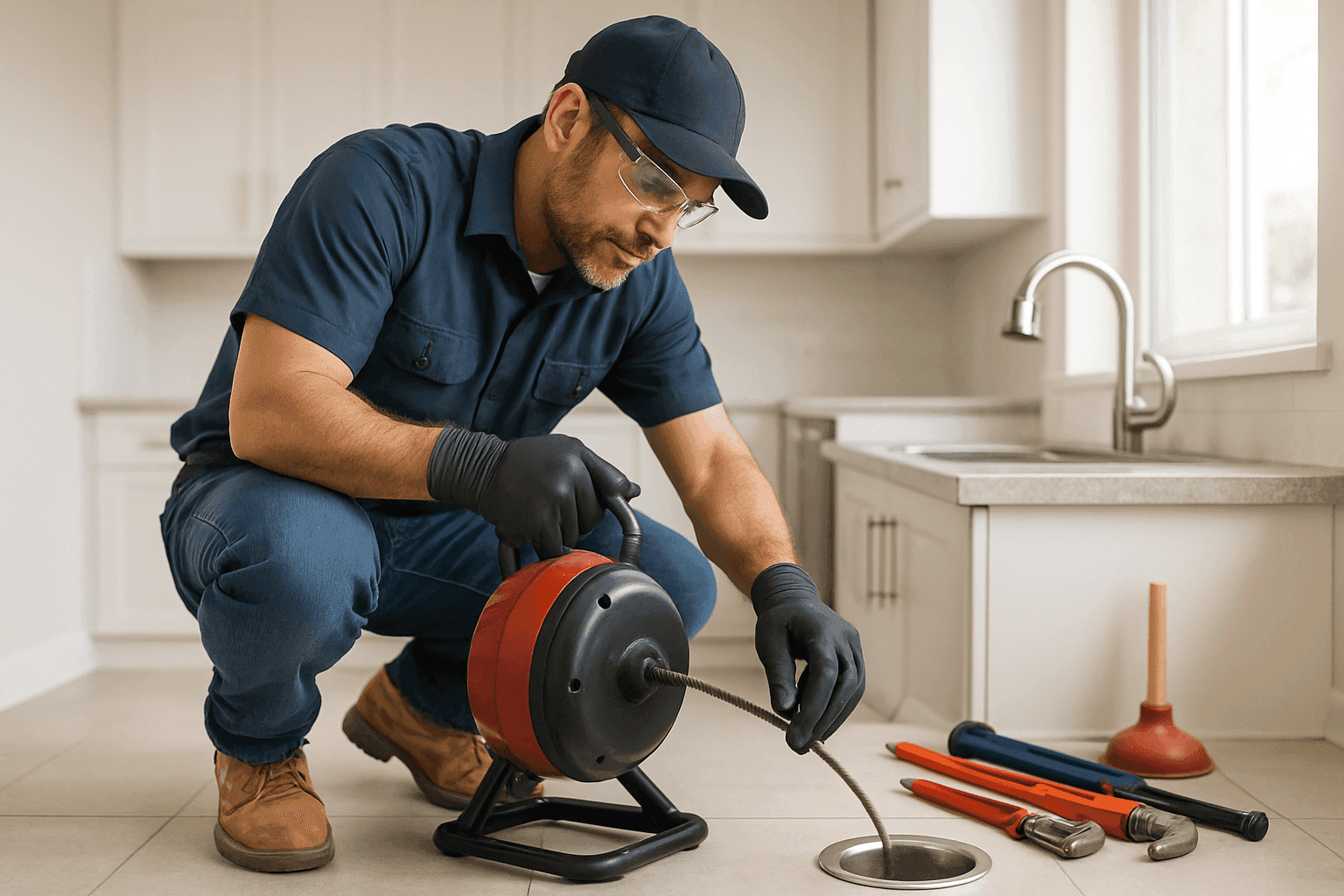
Every home has drains, but not every homeowner thinks about them—until something goes wrong. A slow kitchen sink. A mysterious odor in the bathroom. Suddenly, your peaceful evening turns into a scramble for plungers and buckets.
At Argos Plumbing, we know drain issues can sneak up on anyone. Let’s cut through the confusion and talk about how often you really need to clean your drains, why it’s so important, and what happens if you ignore those warning signs.
Why Routine Drain Cleaning Matters 🛁
Think of your drains like the arteries of your home. When they’re clear, everything flows effortlessly. But when they’re clogged, problems build up quietly, hidden behind the walls and beneath the floors.
Neglecting regular drain cleaning can lead to:
- Slow-draining sinks and tubs
- Unpleasant odors wafting through your kitchen or bathroom
- Bacteria buildup and potential health risks
- Water backing up onto floors or cabinets
- Costly water damage and even structural issues
According to the International Association of Certified Home Inspectors, unchecked drain blockages are a leading cause of home water damage. Letting small clogs fester is like ignoring a warning light on your car dashboard. Sooner or later, you’ll pay for it.
How Often to Clean Drains
There’s no one-size-fits-all answer, but most homes should have their drains professionally cleaned at least once a year. In busy households—lots of cooking, multiple showers, or homes with older pipes—twice a year is even better.
Watch for these risk factors:
- Large families or frequent visitors
- Heavy use of garbage disposal or kitchen plumbing
- Older homes with cast iron or clay pipes
- Regular hair buildup in bathroom drains
If you’ve had a clog in the last 12 months, schedule maintenance sooner. Think of it as a dental checkup for your plumbing—skip it, and you could face bigger headaches down the road.
DIY Cleaning Methods
Some regular maintenance is easy to do yourself. These simple habits can keep your drains running smoothly between professional visits:
- Hot water flush: Once a week, pour a kettle of hot (not boiling) water down each drain.
- Baking soda and vinegar: Monthly, pour half a cup of baking soda followed by half a cup of vinegar down the drain. Wait 10–15 minutes, then rinse with hot water.
- Drain screens: Install mesh strainers in sinks and showers to catch hair and debris.
- Careful disposal: Never pour grease or coffee grounds down the kitchen sink.
But remember: chemical drain cleaners are a risky shortcut. They can corrode pipes—especially in older homes—and often don’t clear the full blockage. The American Society of Home Inspectors cautions against overusing these products, as they can cause more harm than good.
Signs You Need a Pro
DIY fixes can only go so far. Here’s when to call in a plumber for drain cleaning:
- Water drains slowly, even after home remedies
- Persistent gurgling or bubbling sounds
- Foul odors that linger despite cleaning
- Repeated clogs in the same drain
- Water backing up into sinks, tubs, or toilets
If you notice any of these, it’s time for professional help. Sometimes a clog is just the tip of the iceberg—underlying pipe damage or tree roots could be lurking deeper in your system. In these cases, our team can also address pipe repair as needed.
Benefits of Preventative Cleaning
A little prevention goes a long way. Regular drain cleaning:
- Reduces the risk of unexpected plumbing emergencies
- Extends the life of your pipes and fixtures
- Prevents odors and keeps your kitchen and bathrooms fresh
- Helps identify underlying issues before they turn costly
- Keeps your home compliant with local plumbing codes
Just like changing your car’s oil or replacing HVAC filters, routine plumbing maintenance saves money and stress.
Practical Scheduling Advice
Set a recurring reminder on your calendar—spring and fall are great times for annual drain cleaning. Pair it with other seasonal chores, like checking your sump pump or flushing your water heater.
If you rent out your home or have guests often, consider increasing frequency. And don’t forget: homes with kids or pets may need more attention, especially in high-traffic bathrooms.
The Limits of Chemical Cleaners
Chemical drain openers might seem convenient, but they’re like using a sledgehammer to fix a watch. Over time, these harsh products can eat away at your pipes, leading to leaks, corrosion, and expensive repairs.
Instead, stick to physical methods (like plungers and drain snakes) or call a professional. Our team uses safe, industry-approved equipment that clears blockages without damaging your plumbing.
Drain Emergencies: When to Act Fast
Not all clogs can wait. Call a plumber immediately if you notice:
- Water overflowing from sinks, tubs, or toilets
- Foul smells that signal sewage backup
- Multiple drains backing up at the same time
- Flooding in your basement or near your sump pump
In Fargo, North Dakota, winter can bring extra risks—pipes are more likely to freeze and crack, compounding the problem. If you’re searching for Drain Cleaning near me in Fargo, North Dakota, Argos Plumbing is ready 24/7 to help prevent water damage and restore peace of mind.
FAQs
How do I know if my main drain is clogged?
Common signs include multiple slow or backed-up fixtures, especially in the lowest level of your home, or gurgling sounds from drains and toilets.
Can I use a plunger on every drain?
Plungers work best on sinks, tubs, and toilets. For floor drains or stubborn clogs, a professional-grade auger or snake is safer and more effective.
Does insurance cover drain cleaning?
Most homeowners’ insurance won’t cover routine cleaning, but it may help with water damage if a sudden backup occurs. Always check your policy.
What’s the difference between drain cleaning and pipe repair?
Drain cleaning removes blockages and buildup; pipe repair addresses leaks, cracks, or structural issues inside the pipes. Sometimes both services are needed to fully resolve a problem.
Local and Seasonal Considerations
Living in North Dakota means dealing with seasonal extremes. In spring, melting snow can overwhelm drains and sump pumps. In winter, pipes are at risk for freezing—especially if slow drains go unaddressed.
Schedule preventative maintenance before major weather changes. This keeps your home protected and your plumbing up to code, following guidelines from the North Dakota State Plumbing Board.
Don’t wait for your drains to send an SOS. Keep your home healthy, safe, and hassle-free year-round.
Call Argos Plumbing now — or reach us anytime at 844-484-9980 .