Boiler Repair: Diagnosing Heat and Hot Water Issues
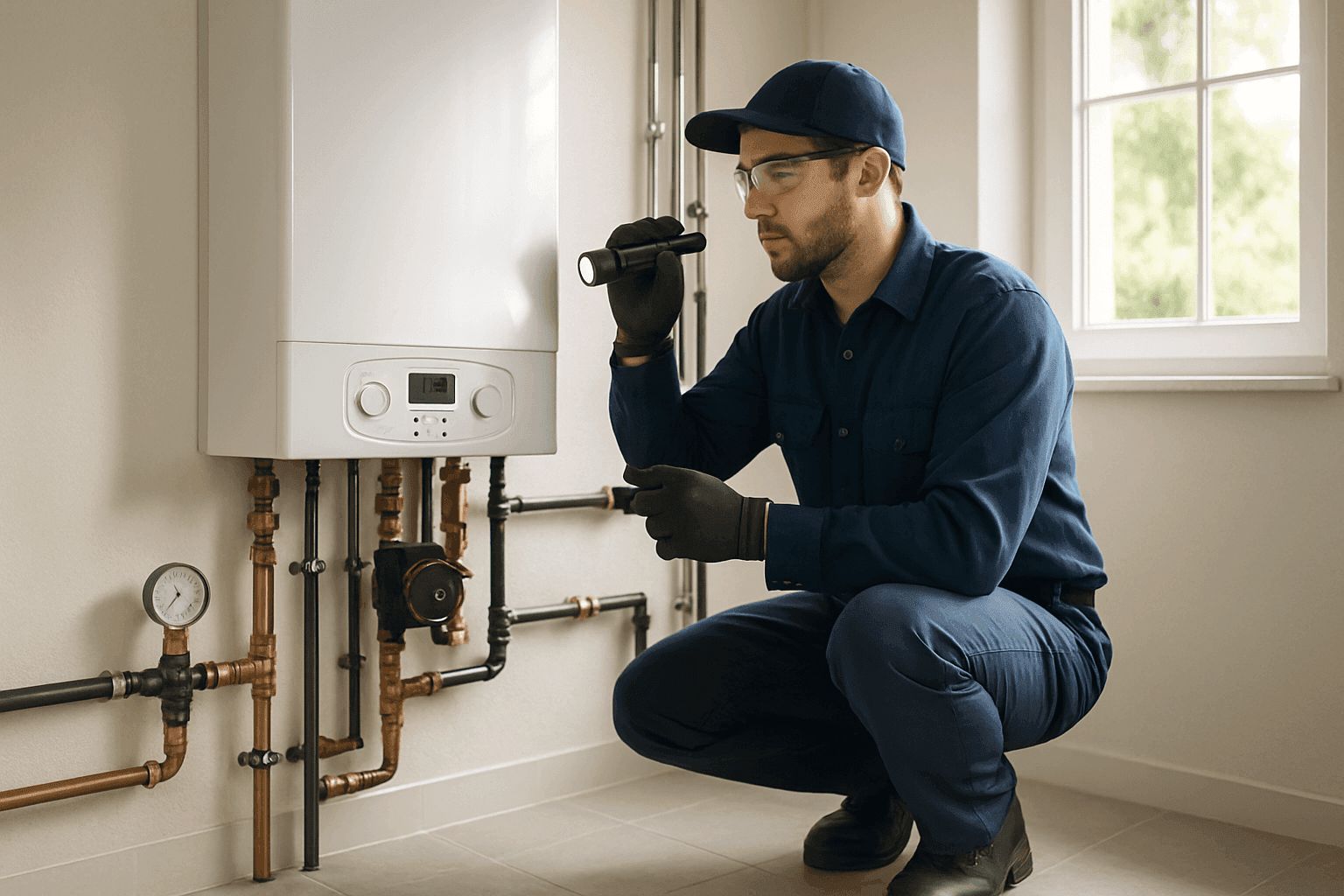
Is your home suddenly colder than a winter morning in December? Or are you left with icy water instead of a hot shower? Boiler problems can turn comfort into chaos fast.
At Argos Plumbing, we know how it feels when heat and hot water vanish without warning. Boilers are the heart of many homes. When they fail, everything can grind to a halt. Let’s walk through what causes these issues, how to spot real warning signs, and most importantly—how to keep your family safe while minimizing downtime.
How Boilers Work 🔥
Think of your boiler as the engine of your home’s warmth. It takes in cold water, heats it up, and sends it flowing through radiators or pipes to keep every room cozy. Some also provide hot water for showers, sinks, and dishwashers.
There are a few common types:
- Combi boilers: Heat water instantly, perfect for smaller homes.
- System boilers: Store hot water in a cylinder, great for families.
- Conventional boilers: Work with tanks and cylinders, often found in older homes.
Each type has its quirks. But all boilers rely on a delicate balance of water, gas, and pressure. When something slips out of sync, problems can quickly snowball.
Common Boiler Problems
Boilers usually send out distress signals before giving up completely. Here’s what to watch for:
- No heat or hot water: The most obvious sign. Could mean an issue with the thermostat, valves, or even the pilot light.
- Strange noises: Banging, whistling, or gurgling are never good. They’re often caused by air in the system, low pressure, or limescale buildup.
- Leaking or dripping: Even a small leak can signal a major issue, such as a broken seal or corroded pipe.
- Pilot light keeps going out: For gas boilers, this could mean a faulty thermocouple or a problem with the gas supply.
- Low pressure: Check the pressure gauge; if it’s below the recommended level (usually 1–2 bar), your boiler might struggle to run.
- Radiators not heating up: Sometimes it’s just trapped air, but it can also be a sign of sludge buildup or pump failure.
If you notice any of these, don’t ignore them. Like a car engine, small noises or leaks can lead to bigger, costlier repairs down the road.
DIY Troubleshooting: What’s Safe to Check?
Before you reach for the phone, there are a few simple steps you can safely take:
- Check the thermostat. Make sure it’s set correctly and hasn’t run out of battery.
- Inspect the pressure gauge. If it’s too low, consult your boiler’s manual—some allow you to top up the pressure yourself.
- Bleed your radiators. If some rooms are colder than others, bleeding radiators can release trapped air.
- Reset the boiler. Many units have a reset button for minor electronic glitches.
Important: Never try to repair gas components, open up the boiler casing, or tamper with wiring. Gas and electricity are nothing to mess with.
Quick Safety Checklist ✅
Boilers are complex—and potentially dangerous—appliances. Before you do anything:
- Smell gas? Leave your home immediately and call your local gas emergency line.
- Hear loud bangs or see smoke? Turn off the boiler and power supply at the main switch.
- Water leaking near wiring? Avoid touching anything wet and shut off electricity at the breaker.
- Unsure about anything? Don’t risk it. Call a professional.
For more on home gas and boiler safety, reference guidance from the U.S. Consumer Product Safety Commission and your local building codes.
When to Call a Licensed Technician
Some issues need a professional touch. Call Argos Plumbing for help if:
- The boiler keeps losing pressure even after topping up.
- There’s a persistent leak anywhere on or around the unit.
- You notice yellow or sooty stains—a sign of incomplete combustion.
- The pilot light won’t stay lit, or you can’t relight it safely.
- Strange noises persist even after bleeding radiators.
- You’re ever unsure or feel unsafe.
A licensed technician will arrive with the right tools, training, and diagnostic equipment. We’re trained to spot hidden problems and fix them according to current safety codes.
Learn more about our boiler repair services.
What Pros Do On Arrival
When a pro from Argos Plumbing shows up, here’s what you can expect:
- Initial safety inspection: We check for gas leaks, electrical hazards, and ensure proper ventilation.
- Diagnostic testing: Pressure checks, component tests, and, if needed, specialized leak detection tools.
- Visual inspection: Looking for corrosion, water damage, or faulty wiring.
- System reset or part replacement: If needed, we’ll replace worn-out parts, valves, or sensors.
- Full run-through: We test the system to ensure everything’s running smoothly before we leave.
We’ll always explain what we found and what needs to be done. Transparency matters—no hidden steps or mystery charges.
Prevention & Maintenance
Boilers last longer and run better with regular care. Here’s how to keep yours in shape:
- Annual servicing: Have your boiler checked by a licensed pro every year—this can catch issues before they turn serious.
- Check for leaks: Every few weeks, look for unusual drips or puddles.
- Bleed radiators: At the start of winter, get rid of trapped air.
- Keep vents clear: Don’t block boiler vents or flues.
- Install a carbon monoxide detector: This is crucial for any home with gas appliances.
For homes seeking a full system check, we also offer preventative maintenance services, giving you peace of mind all year.
Costs & Time Factors
How much will a repair set you back? It depends on the issue. Small fixes, like replacing a thermostat or bleeding radiators, can be quick and affordable. Larger repairs, such as swapping out heat exchangers or fixing leaks inside the unit, take longer and are more complex.
Most standard repairs can be handled in 1–3 hours. Major overhauls or part replacements may take a day or more, especially if parts need to be ordered. Regular maintenance helps avoid those bigger, pricier surprises.
When It’s an Emergency
Certain boiler issues demand urgent action:
- No heat in freezing weather: Pipes can freeze, putting your whole plumbing system at risk.
- Gas smell or carbon monoxide alarm: Leave the house and call emergency services.
- Severe leaks or flooding: Can damage floors, walls, and electrical systems.
If you’re facing one of these, call for emergency plumbing right away—or reach out for Boiler Repair in Lenexa if you’re in the area.
FAQ
Why does my boiler keep losing pressure?
Usually, it’s a sign of a leak or a faulty pressure relief valve. If you’re topping up often, it’s time for a professional inspection.
Is it normal for my boiler to make noise?
Some humming is normal, but banging, whistling, or gurgling can indicate air in the system, limescale, or pump issues.
How often should I service my boiler?
Once a year is standard, as recommended by most manufacturers and safety codes.
Can I use my boiler if it’s leaking a little?
No. Even small leaks can lead to bigger problems and may be unsafe. Shut it down and call a technician.
Local & Seasonal Considerations ❄️
Winter puts extra strain on boilers. That’s when most breakdowns happen. If you live in an older home or an area with hard water, limescale and corrosion can be bigger threats—annual servicing is even more important. And if you’re searching for "Kitchen Plumbing near you," remember that boiler issues can sometimes overlap with kitchen hot water supply problems. We’ve got you covered, season after season.
If your boiler is acting up, don’t let discomfort or safety risks linger. Let Argos Plumbing help you restore warmth and peace of mind.
Call Argos Plumbing now — or reach us anytime at 844-484-9980 .