Bathroom Plumbing Remodels: What to Know Before You Start
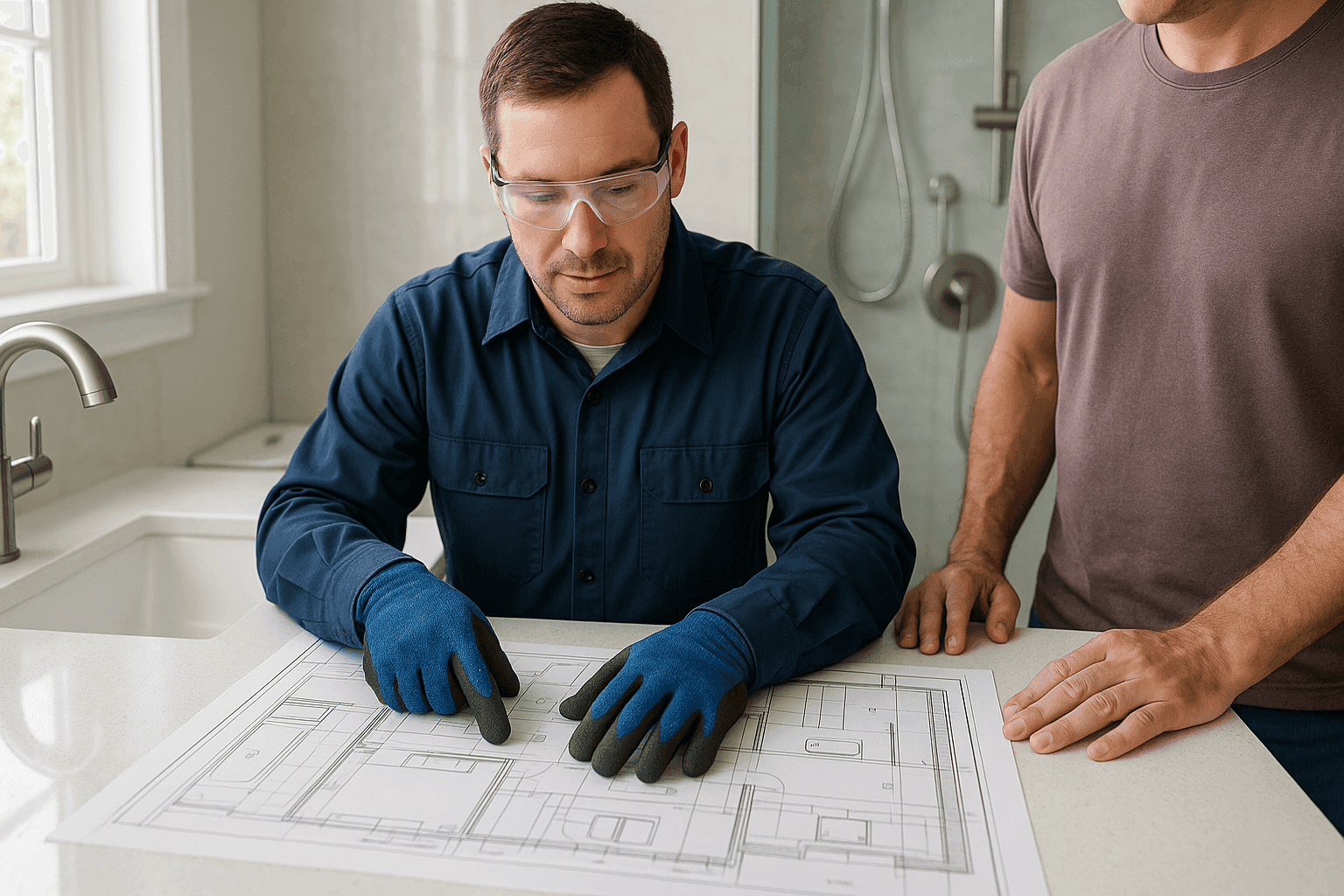
Thinking about remodeling your bathroom? The excitement is real—so are the headaches if plumbing gets overlooked. Pipes run behind walls like hidden highways, and even small changes can send ripples through your home’s infrastructure. That’s why planning plumbing early is essential for a smooth, on-budget remodel.
At Argos Plumbing, we’ve helped hundreds of homeowners coordinate bathroom transformations, from simple fixture swaps to full-scale repiping. Here’s what you need to know before you start tearing out tile.
Key Planning Steps for Remodels 🛁
A remodel isn’t just a facelift; it’s a big leap. Plumbing is the backbone. Get it right, and everything works seamlessly. Miss a step, and you might face delays or water damage.
Map Out Your Vision
- Will the toilet or sink move locations?
- Adding a double vanity or a separate shower?
- Upgrading from a tub to a walk-in?
Each change could mean rerouting pipes, updating venting, or upgrading supply lines. Start with a clear layout in mind.
Assess Existing Plumbing
- Are your pipes copper, PEX, or galvanized?
- Any signs of corrosion, leaks, or low pressure?
A professional inspection can uncover issues before the walls open up. The International Residential Code (IRC) and local guidelines often dictate minimum pipe sizes and venting—cutting corners isn’t just risky, it can be illegal.
Coordinate with Other Trades Plumbers, electricians, tile setters—everyone needs a turn. Plumbing rough-ins usually come first, so plan your schedule around the order of work.
Permits Matter Most bathroom remodels require permits, especially if moving fixtures or touching gas lines. Your city’s building department can advise on what you need.
Plumbing Upgrades to Consider 🚿
A remodel is your chance to future-proof your bathroom. Here’s what to weigh:
1. Replace Old Piping
- Galvanized steel or old copper? Upgrading to PEX or new copper can prevent leaks for decades.
- Repiping now saves money and hassle compared to patching later.
2. Water-Efficient Fixtures
- Low-flow toilets, showerheads, and faucets conserve water and lower bills.
- Look for WaterSense-labeled products, recommended by the EPA.
3. Modern Drainage Solutions
- Larger drains handle hair and debris better—especially for showers and tubs.
- Consider adding clean-outs for easier future maintenance.
4. Water Filtration and Softeners
- If you battle hard water or odors, a new filtration system can be piped in during the remodel.
5. Accessibility Features
- Handheld showers, comfort-height toilets, and lever-handle faucets add long-term value for all ages.
For more on fixture upgrades, see our Fixture Installation service page.
Timeline and Budgeting
Remodels are like marathons, not sprints. Plumbing can be a speed bump or a shortcut, depending on how you prep.
Create a Realistic Timeline
- Demolition: 1–2 days
- Plumbing rough-in: 1–3 days (longer if moving fixtures)
- Inspection: 1 day (timing depends on your city)
- Finish work: 2–5 days
Expect the unexpected. Hidden leaks, mold, or old pipe issues can stretch schedules.
Budget Smarter
- Plumbing costs often make up 10–20% of total bathroom remodel expenses.
- Moving pipes or adding features (like a second sink) increases labor and parts.
- Permits, inspections, and code upgrades add to the bottom line.
Always build a cushion—about 10–20% extra—for surprises. The National Kitchen and Bath Association (NKBA) offers helpful budgeting resources.
Common Pitfalls
Bathroom remodels can take a wrong turn. Here’s how to dodge the bumps in the road:
- Underestimating Pipe Age: Old pipes may crumble when disturbed. Plan for more than a cosmetic fix if your home is older than 30 years.
- Skipping Permits: Unpermitted work can stall the entire project and lower your home’s value.
- Ignoring Venting Needs: Proper venting keeps drains quiet and prevents sewer gases from sneaking in.
- Choosing Trend Over Function: That ultra-modern sink might look sharp, but if it needs custom plumbing, costs can soar.
- DIY Overreach: Small jobs are tempting, but improper installations can lead to leaks or code violations.
Choosing Materials and Fixtures
The right materials are the unsung heroes of any remodel. Here’s what to keep in mind:
Pipes
- PEX: Flexible, easy to install, good for tight spaces.
- Copper: Durable, resists bacteria, but pricier.
- PVC/ABS: Standard for drains, but local codes vary.
Fixtures
- Check for certifications like WaterSense or UPC.
- Think about cleaning—wall-mounted toilets and single-handle faucets are easier to maintain.
- Match finishes for a unified look, but prioritize reliability above trends.
Accessories
- Don’t forget shut-off valves and supply lines—replace them during remodel for peace of mind.
For more on bathroom plumbing planning, see Bathroom Plumbing in Portsmouth.
Safety and Code Guidelines
Plumbing isn’t just pipes and water. Safety codes are there for a reason:
- The IRC and Uniform Plumbing Code set standards for pipe sizing, venting, and fixture spacing.
- Gas lines (for tankless water heaters or heated floors) require licensed installation and regular safety checks.
- Backflow prevention devices may be required to protect your drinking water.
Always consult with a licensed plumber and check your local building department’s requirements.
Final Thoughts
A bathroom remodel is an investment in comfort and value. Take time to plan your plumbing, choose quality materials, and work with experienced professionals.
Have questions? Wondering what’s possible in your space?
Call Argos Plumbing now — or reach us anytime at 844-484-9980 .