Bathroom Plumbing: Common Upgrades and Their Benefits
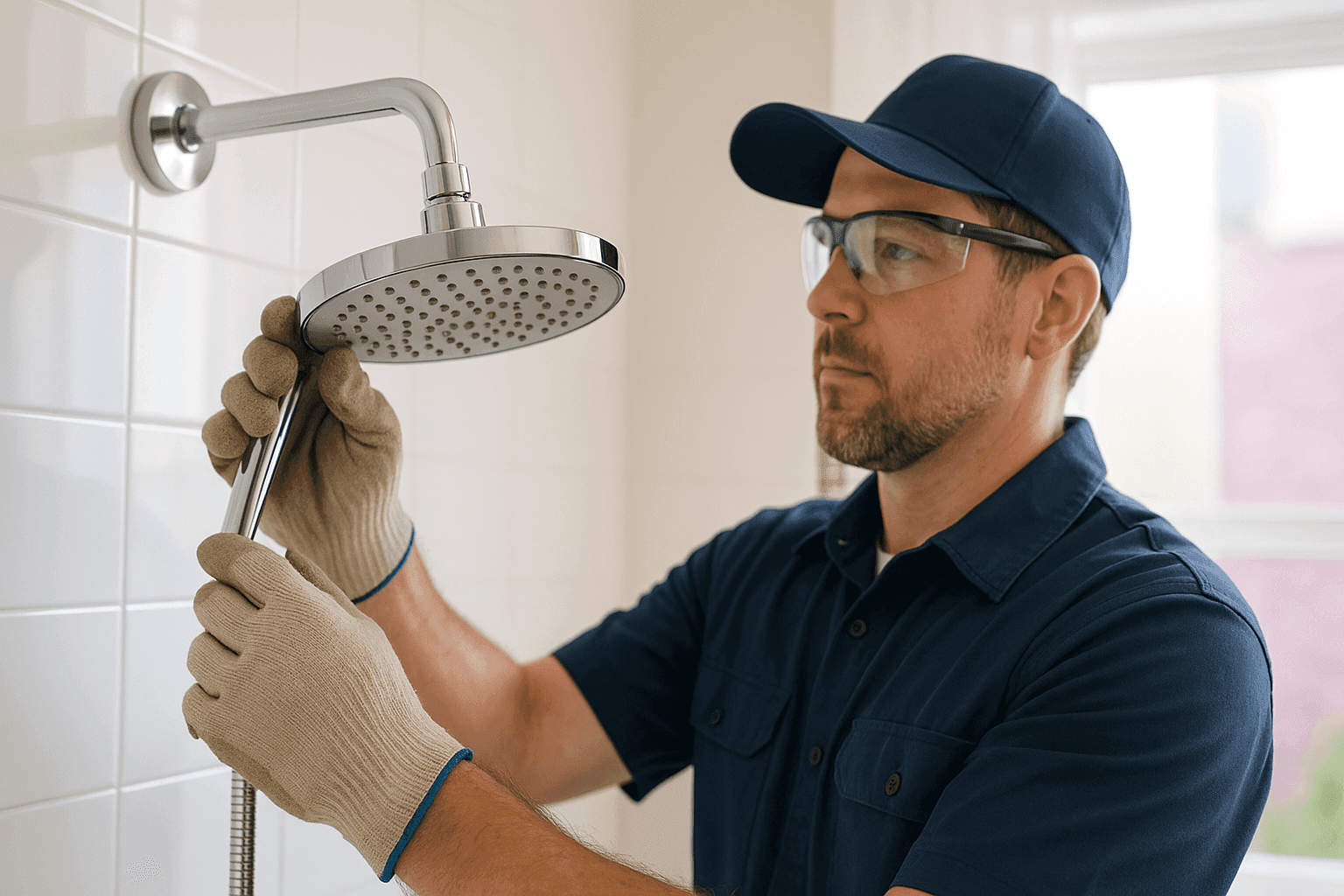
Bathroom plumbing can be the unsung hero of comfort at home. When it works, you don’t notice. When it fails, it’s chaos. Whether you’re dreaming of a spa-like shower or just tired of that old leaky faucet, the right upgrades can transform your daily routine—and even your water bill.
At Argos Plumbing, we help homeowners make smart plumbing choices every day. This guide covers the most popular bathroom upgrades, their real-world benefits, and how to navigate your next project without costly missteps.
Top Bathroom Upgrades 🚿
Bathroom upgrades come in all shapes and sizes. Here are the most common—and why they matter.
Low-Flow Toilets
Old toilets can use up to 6 gallons per flush. Modern low-flow models? They get the job done with just 1.28 gallons or less. That’s like trading in a gas-guzzling car for a hybrid—savings that add up year after year.
Why consider this upgrade?
- Save hundreds of gallons (and dollars) annually
- Many models qualify for rebates
- Meets EPA WaterSense standards ([source: EPA])
Luxury Showers
Rainfall heads. Multi-jet panels. Handheld sprayers. Today’s showers are all about personal comfort. You set the mood—calm, invigorating, or both.
What’s new in shower upgrades?
- Thermostatic valves for precise temperature
- Water-saving features without sacrificing pressure
- Easy-to-clean, anti-scale finishes
Double Sinks
No more elbows at the sink during the morning rush. Double sinks are a favorite for shared bathrooms. The extra basin isn’t just about comfort; it can boost your home’s appeal if you decide to sell.
Extra touches:
- Integrated storage
- Touchless faucets for hygiene and water savings
Modern Faucets & Fixtures
Fixtures have come a long way. Today’s models combine style and efficiency. Upgrading even a single faucet can cut water waste and raise the wow factor.
- Waterfall and aerated spouts
- Motion sensors for germ-free operation
- Durable finishes like brushed nickel or matte black
Water Filtration Systems
Safe water isn’t a given. Under-sink and whole-bathroom filtration systems ensure every drop is clean—ideal for families with sensitive skin or concerns about local water quality.
Tip: Look for systems certified to NSF/ANSI standards.
Benefits of Upgrading Your Bathroom Plumbing
Upgrades aren’t just about looks. They deliver real, lasting value:
Water Efficiency
Water-wise fixtures can slash household consumption. According to the EPA, a family can save nearly 13,000 gallons yearly by switching to WaterSense-labeled products. That’s good for your wallet—and the planet.
Comfort & Convenience
A well-designed bathroom is a daily luxury. Heated floors, soft-close seats, and adjustable lighting make spaces more enjoyable. With quality plumbing, you get consistent water pressure and temperature, every time.
Boosting Home Value
Homebuyers notice bathrooms. Modern plumbing and fresh fixtures can set your home apart. According to Remodeling Magazine’s Cost vs. Value Report, even minor bathroom upgrades can yield a strong return at resale.
Health & Safety
Reducing leaks and upgrading old pipes helps prevent mold, mildew, and water damage. Touchless fixtures and filtered water support healthier living.
DIY vs. Professional Upgrades
Some bathroom upgrades seem simple—until they’re not. Here’s how to decide if you should grab the wrench or call a plumber.
When DIY Makes Sense
- Swapping out showerheads or faucet aerators
- Installing a handheld sprayer (if plumbing lines are compatible)
- Replacing toilet seats or basic hardware
YouTube can be your friend, but always turn off the water before starting.
When to Call a Professional
- Moving or adding plumbing lines (for double sinks, showers, or toilets)
- Replacing old pipes or valves
- Installing water filtration systems
- Dealing with stubborn leaks or low water pressure
Complex projects can run afoul of building codes or insurance requirements. A licensed plumber ensures the job is safe and up to code. For Kitchen Plumbing near you or major bathroom upgrades, professional help pays off.
Planning Your Project 📝
Before you swing a hammer, a little planning goes a long way.
1. Make a List
Write down every upgrade you want—big and small. Prioritize needs (like leak repair) over wants (like a rainfall shower).
2. Set a Budget
Factor in both materials and labor. Add a cushion for surprises—old pipes can hide secrets.
3. Check Local Codes
Many areas have strict plumbing codes. For example, the International Plumbing Code (IPC) and state regulations may dictate pipe materials, venting, and backflow prevention. Cutting corners here can mean costly fixes later.
4. Choose Fixtures Wisely
Look for WaterSense or NSF-certified products for efficiency and safety. Consider finishes and features that fit your household’s needs.
5. Hire the Right Help
Ask about licensing, insurance, and references. For projects like fixture installation, choose a team familiar with local codes and trusted brands.
Common Mistakes to Avoid
Bathroom renovations are notorious for hidden pitfalls. Here’s how to steer clear:
- Ignoring Water Pressure: Installing multiple body sprays? Check your home’s pressure first.
- Skipping Permits: Unpermitted work can void insurance or create resale headaches.
- Underestimating Old Plumbing: Aging pipes or corroded valves can derail timelines and budgets.
- Wrong Fixture Sizes: Not all sinks or toilets are “one size fits all.” Measure twice.
- Poor Ventilation: Mold and mildew thrive in damp, unventilated bathrooms.
Safety Checklist for Bathroom Plumbing
Before starting any project, review these basics:
- Shut off water supply at the main valve
- Use GFCI outlets for all bathroom electrical
- Wear gloves and eye protection when handling tools or chemicals
- Follow manufacturer installation guides step-by-step
- Know where your shutoff valves are in case of emergency
When in doubt, consult the International Plumbing Code (IPC) or your local building department.
DIY vs. Professional Upgrades: The Bottom Line
It’s tempting to tackle bathroom projects solo. But when plumbing lines are involved, mistakes can cause water damage, mold, or even structural issues. If your project goes beyond surface-level swaps, professional installation is the safer bet.
A quality plumber will:
- Inspect existing pipes for damage
- Ensure all work meets code
- Test for leaks and water pressure
- Provide guidance on future maintenance
Curious about local regulations or best practices? The Bathroom Plumbing for Salem, New Hampshire page offers community-specific guidance.
Planning Your Project: Step-by-Step
- Visualize your dream bathroom. Do you crave luxury or focus on practicality?
- Get measurements. Know your space—doorways, clearances, and plumbing locations.
- Collect inspiration. Save photos and product links.
- Consult a plumber. Discuss feasibility, timelines, and code requirements.
- Order fixtures early. Avoid project delays from backorders.
- Schedule work around your family’s needs. A bathroom reno can disrupt routines.
Common Mistakes to Avoid 🚧
- Forgetting to protect finished surfaces—use drop cloths and tape
- Misaligning drain or supply lines
- Over-tightening connections (risking cracked porcelain or stripped threads)
- Failing to test for leaks before closing walls or floors
Take your time. Double-check every step.
Frequently Asked Questions
How much water can I save with low-flow fixtures?
Switching to low-flow toilets and showerheads can save thousands of gallons per year. The EPA’s WaterSense program reports typical savings of 20% or more on water bills.
Are double sinks worth it for small bathrooms?
Double sinks require space—at least 48 inches. If your bathroom is tight, consider a wide single basin or custom cabinetry for maximum utility.
Can I install a new showerhead myself?
Most showerheads can be swapped with basic tools. Just remember to use plumber’s tape on the threads and tighten gently.
How do I know if I need new pipes?
Signs include frequent leaks, rusty water, or low pressure. Homes built before the 1970s may have outdated materials that should be replaced.
Local & Seasonal Considerations
In New England, frozen pipes are a winter hazard. Insulating bathroom pipes and sealing drafts can prevent costly bursts. Summer humidity makes ventilation even more important—install a quality exhaust fan to keep mold at bay.
If you live in an older home, expect surprises: original plumbing may not meet modern standards. Upgrading now can prevent emergencies when you least expect them.
Ready to make your bathroom work harder for you? Whether you want a luxury upgrade or need reliable repairs, Argos Plumbing is here to help.
Call Argos Plumbing now — or reach us anytime at 844-484-9980 .