Backflow Prevention: Protecting Your Home’s Water Supply
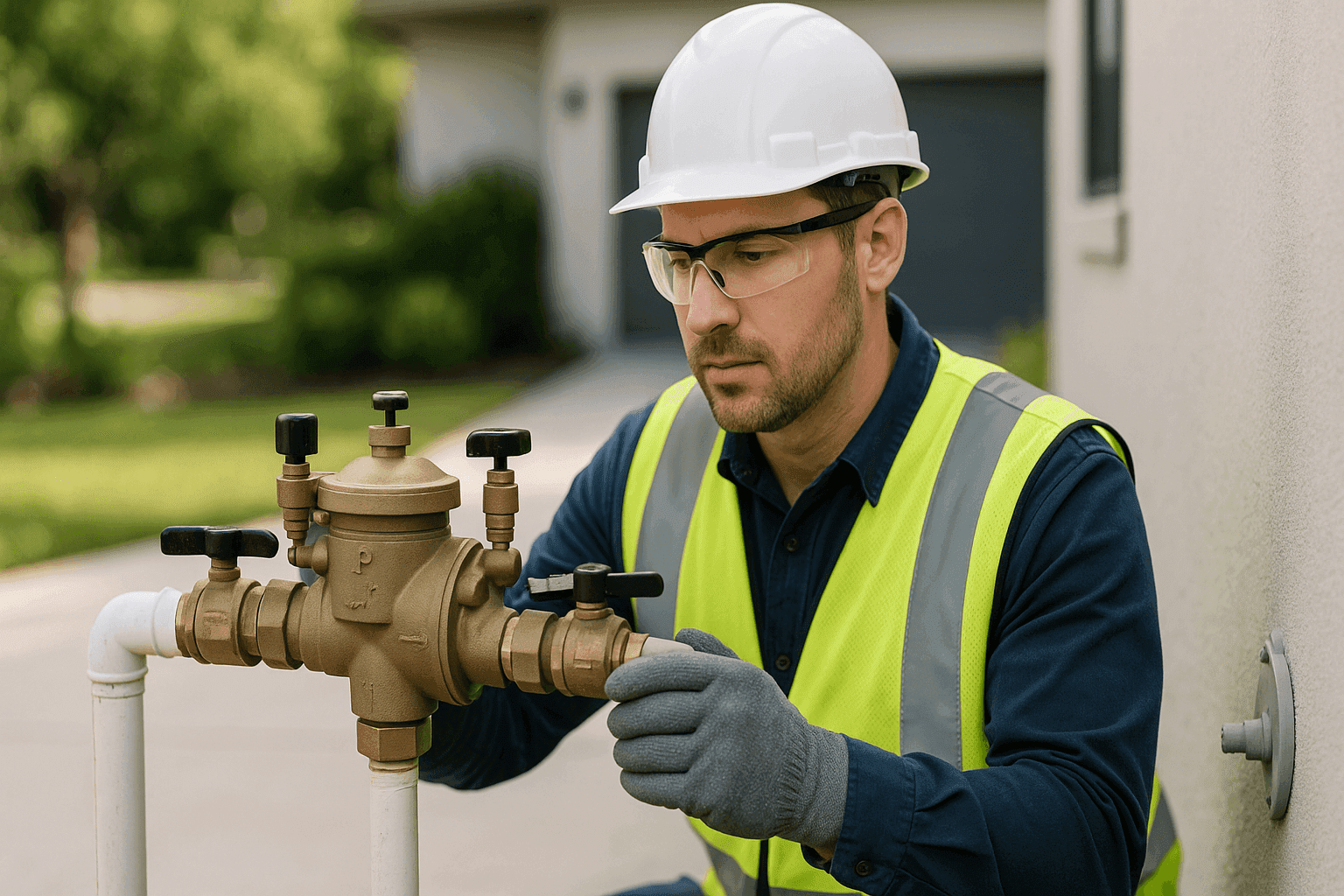
Every home needs water—clean, safe, and ready when you turn on the tap. But there’s a hidden threat most homeowners never see coming: backflow. It can sneak up fast, putting your family’s health on the line. At Argos Plumbing, we see just how quickly a small problem can spiral into a big one.
Let’s break down what every homeowner should know about backflow prevention. Because water should only flow one way—into your home, not back out.
What Is Backflow? 🚰
Imagine water like a one-way street. It flows from the city supply, through your pipes, and into your kitchen, bathroom, or garden. Backflow is when that street suddenly reverses. Water starts moving the wrong way, pulling dirty or even hazardous liquids back into your clean water.
It isn’t always obvious. You might not notice a change in smell or taste. But even a small reversal can carry harmful substances—like fertilizer, soap, or bacteria—into the water you drink and cook with at home.
The stakes are high. Proper plumbing, including Kitchen Plumbing near you, depends on keeping that water clean and separate.
How Backflow Occurs
Backflow happens when there’s a sudden change in water pressure. Think of it like a vacuum being created in your pipes. Here are the two main culprits:
- Backsiphonage: This occurs when water pressure drops in the main supply line—maybe a city water main breaks, or firefighters draw large amounts of water from hydrants. Suddenly, outside liquids can get sucked back into your plumbing.
- Backpressure: This is when your home’s water pressure becomes higher than the supply. It might happen if you have a boiler, pump, or even some garden irrigation setups. The risk? Contaminated water is pushed back into the main line.
These aren’t rare events. Even routine activities—like using a garden hose to spray weed killer—can set the stage for backflow if the right conditions line up.
Types of Prevention Devices
Stopping backflow takes more than good intentions. There are specialized devices designed to keep water moving in the right direction:
- Air Gaps: The simplest solution. An air gap is a physical space—like the one between your sink faucet and the rim of your sink. It prevents dirty water from siphoning back.
- Atmospheric Vacuum Breakers (AVB): These valves allow air in if water tries to flow backward, breaking the siphon.
- Pressure Vacuum Breakers (PVB): Common in irrigation systems, PVBs protect against backsiphonage by creating a barrier when pressure drops.
- Double Check Valve Assemblies (DCVA): These offer two layers of protection. They’re often required for residential homes with sprinkler systems or pools.
- Reduced Pressure Zone (RPZ) Assemblies: The gold standard for high-risk situations. RPZs have extra features to discharge contaminated water safely if a problem occurs.
Which device is right for your home? It depends on your plumbing setup, local codes, and what types of risks are present. The Uniform Plumbing Code and local regulations often require certain devices in specific situations. Always check with a licensed plumber to stay compliant and safe.
Risks of Contamination
Backflow isn’t just a nuisance. It can put your family’s health at risk. Here’s why it matters:
- Chemical Contamination: Pesticides, fertilizers, cleaning solutions, and even pool chemicals can get sucked into your drinking water.
- Biological Hazards: Bacteria and viruses from toilets, garden hoses, or irrigation systems may enter the supply.
- Heavy Metals: Old pipes or industrial runoff can introduce metals like lead or copper—especially dangerous for children.
Symptoms aren’t always obvious. Contaminated water might look, smell, and taste normal at first. But the health risks are very real, ranging from mild stomach issues to serious illness.
The Centers for Disease Control and Prevention (CDC) and Environmental Protection Agency (EPA) both stress the importance of backflow prevention in safeguarding public health.
Testing and Maintenance 🛠️
Backflow preventers aren’t “set it and forget it” devices. Like any part of your plumbing, they need regular checks to work properly. Here’s what responsible homeowners should know:
- Annual Testing: Many local codes require yearly backflow testing by a certified plumber. This ensures your device is in good working order and meets city regulations.
- Visual Inspections: Watch for leaks, corrosion, or signs of wear. If you see anything unusual, call for service right away.
- Record Keeping: Keep a log of installation dates, tests, and repairs. This is often required by local water authorities.
- Professional Service: Only qualified plumbers should repair or replace backflow devices. DIY fixes can void warranties and break safety codes.
You can learn more about local requirements from the American Water Works Association (AWWA) and your city’s public works department.
If you’re in the area, see Backflow Prevention near Harvey for details on local service and compliance.
Quick Safety Checklist
Want to make sure your home is protected? Run through these simple checks:
- Do you have a backflow prevention device installed?
- Has it been tested by a licensed plumber in the past year?
- Are there visible leaks or signs of rust near the device?
- Do you know where your main shut-off valve is located?
- Are you aware of local plumbing codes for backflow prevention?
If you’re unsure, it’s time to ask for help. Proper testing is available—learn more at our backflow testing service page.
DIY vs. Call a Pro
There are some things you can check yourself—like looking for leaks, or making sure hoses aren’t submerged in buckets or ponds.
But when it comes to installing or testing a backflow preventer, it’s not a DIY project. Plumbers use specialized tools and follow strict protocols set by the Uniform Plumbing Code and the International Plumbing Code. Failure to comply can mean serious fines or shutdowns from your water provider.
If you’re ever in doubt, pick up the phone. Argos Plumbing is here to help with everything from routine checks to urgent repairs.
What Pros Do On Arrival
When a professional plumber arrives for a backflow check or installation, here’s what you can expect:
- Inspection: They’ll assess your plumbing system, identify cross-connections, and recommend the right prevention device.
- Testing: Using calibrated gauges, they’ll verify that valves and seals are holding as designed.
- Documentation: You’ll get a written report—often required by your city or water provider.
- Maintenance or Repairs: If the device isn’t working, they’ll repair or replace it on the spot.
This isn’t just a box-checking exercise. Proper testing and documentation keep your home compliant, your water safe, and your peace of mind intact.
Prevention & Maintenance
A little maintenance goes a long way. Here are some tips to keep your backflow device in shape:
- Schedule annual professional testing.
- Keep the area around the device clean and accessible.
- Watch for changes in water pressure or taste—these can signal a problem.
- Never attach hoses or devices that could be submerged in dirty water.
- Upgrade older devices if recommended—technology and codes change over time.
Thinking about a remodel or new plumbing project? Make sure you include backflow prevention in your plans. It’s just as important as leak repair or pipe replacement.
Costs & Time Factors
How much does backflow prevention cost? It depends on your home’s plumbing and the type of device needed. Here’s what to expect:
- Installation: Most residential devices can be installed in a few hours. Costs vary based on complexity and location.
- Testing: Annual tests are quick—usually under an hour. You’ll need a certified plumber to complete the paperwork.
- Repairs: If a device fails, replacement parts are usually available, but older systems may require a full swap.
While backflow prevention might seem like an extra expense, it’s far less costly than dealing with contaminated water or hefty fines from local authorities.
When It’s an Emergency 🚨
Sometimes, backflow isn’t a slow leak or a minor inconvenience. It’s an emergency—like when you notice muddy or foul-smelling water coming from the tap. If this happens:
- Stop using all water immediately.
- Shut off your main water valve.
- Call a licensed plumber for emergency plumbing help.
- Notify your local water provider.
Don’t take chances with your family’s health. Fast action makes all the difference.
FAQ
Q: Do all homes need backflow prevention devices?
A: Not every home is required by law to have one, but most local codes do require backflow prevention for homes with irrigation systems, pools, or certain plumbing fixtures. Check with a licensed plumber or your city’s building department.
Q: How often should my backflow preventer be tested?
A: At least once a year, or as required by your local water authority. Annual testing ensures the device still works and keeps your water supply safe.
Q: Can I install a backflow prevention device myself?
A: No. Installation and testing should always be performed by a certified plumber. This guarantees compliance with safety codes and proper documentation.
Q: What are the signs of a backflow problem?
A: Changes in water color, taste, or smell. Sudden drops in pressure. Visible leaks or damp spots around the device. When in doubt, call a professional.
Local/Seasonal Considerations
Seasonal changes in water usage or pressure—like summer irrigation or winter freeze-thaw cycles—can increase the risk of backflow. If you live in an area with heavy storms, city water main breaks, or aging infrastructure, stay especially vigilant.
Need service in your area? Backflow Prevention near Harvey is available for local homes.
Your home’s water is too important to leave unprotected. Argos Plumbing is ready to help with installation, testing, and peace of mind.
Call Argos Plumbing now — or reach us anytime at 844-484-9980 .