Backflow Prevention Costs: Budgeting for Water Safety
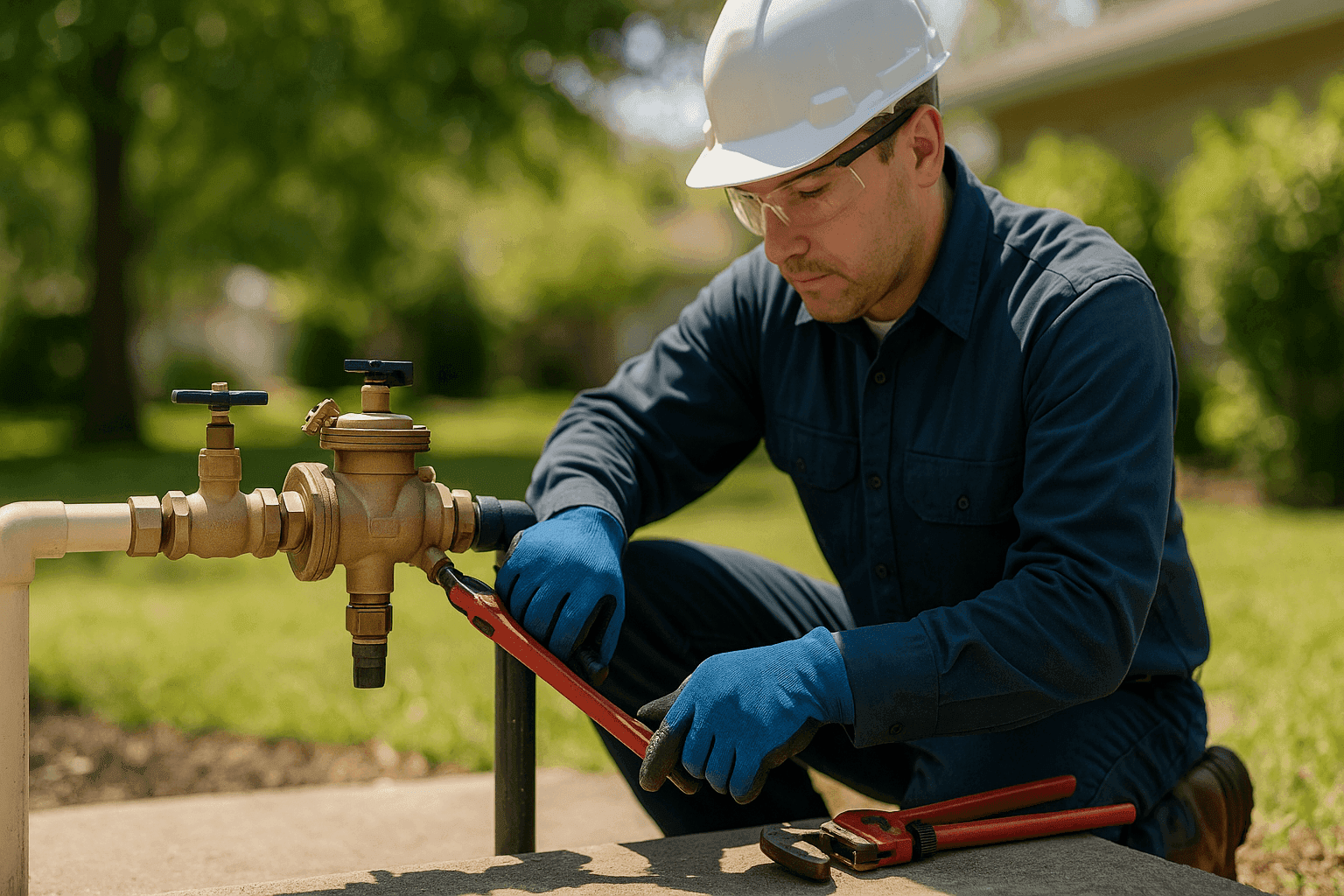
Every homeowner wants water that’s clean, safe, and reliable. Sometimes, though, the unseen risks to your water supply come from inside your own plumbing. Backflow can turn a simple day into a costly disaster. The good news? With the right device and a smart budget, you can keep your family’s water safe—without surprise bills.
At Argos Plumbing, we know the ins and outs of backflow prevention. Let’s break down the real costs, what affects them, and how you can plan for this essential protection. No fluff—only what you need to know.
What Affects Backflow Device Cost
Not all backflow prevention devices are created equal. Some are like sturdy locks on your front door, while others are more like a simple latch. Here’s what changes the price:
- Type of Device: There are several, including atmospheric vacuum breakers (AVBs), double check valve assemblies (DCVAs), and reduced pressure zone (RPZ) assemblies. Each is designed for different risk levels. Higher-risk means more complex (and more expensive) devices.
- Home Plumbing Layout: A straightforward, accessible water line costs less to outfit. If your pipes are tucked behind walls or under concrete, labor and materials go up.
- Water Pressure & Usage: Larger homes or those with high demand may need bigger, specialized devices.
- Local Code Requirements: Some areas require specific devices, annual testing, or upgrades, as recommended by the American Water Works Association (AWWA) and enforced by local plumbing codes.
- Existing Plumbing Condition: Old, corroded, or non-standard pipes can add to the installation bill.
Think of it like fitting shoes: a simple device might fit some homes, while others need a custom pair.
Installation vs. Testing Fees 🛠️
When budgeting, remember that backflow prevention isn't a one-time cost.
Installation Fees
- Device Cost: The unit itself—ranging from basic to advanced.
- Labor: Professional installation ensures the device is fitted safely and correctly, following codes.
- Permits/Inspection: Some cities require permits or an official inspection, which adds to the bill.
Annual Testing Fees
- Testing: Required in most areas to verify the device works properly. This is usually a separate, recurring fee.
- Report Filing: Some regions require certified plumbers to file official test results.
While installation is often a bigger upfront cost, annual testing is a smaller, ongoing investment—like an annual checkup for your home’s water health.
How to Budget for Backflow Protection
No one likes surprise expenses. Here’s how to plan ahead:
- Research local requirements. Check your city or county website for plumbing regulations. Many require annual backflow-testing.
- Ask for a detailed quote. A reputable plumber will outline parts, labor, permits, and testing.
- Set aside funds for annual testing. Just like you’d budget for HVAC service or a water heater flush.
- Consider device lifespan. Most backflow devices last 5–10 years with regular maintenance, but budgeting for a replacement down the road is wise.
For Backflow Prevention help in Vestavia Hills, Alabama, knowing your local rules is especially important.
Ways to Save on Compliance
Protecting your water doesn’t have to break the bank. Here are some smart strategies:
- Bundle plumbing services. If you’re already scheduling repairs (like repiping, fixture installation, or Kitchen Plumbing near you), ask about discounts for backflow work done at the same time.
- Don’t skip annual testing. Catching a small problem early is always cheaper than cleaning up a flood or contamination.
- Maintain your plumbing. Prevent leaks and pressure issues that can damage your device.
- Choose the right device, not the priciest. The best fit for your home and risk level—not necessarily the fanciest model.
Remember, prevention is always more affordable than dealing with water damage or health hazards after the fact.
Real-World Scenarios: Why It Matters
Imagine watering your lawn. Suddenly, a drop in city pressure pulls dirty water backward through your garden hose—and into your home’s clean supply. Backflow devices stop this from happening. They’re the unsung heroes, working quietly behind the scenes.
But if they fail, the cost isn’t just money. It’s peace of mind.
What to Expect from Professional Plumbing
When you call a pro for backflow prevention:
- Assessment: They’ll review your plumbing layout and risk factors.
- Device Selection: Recommend the right device for your needs and local codes.
- Installation: Secure, code-compliant, and tested before they leave.
- Annual Reminders: Many plumbers, including Argos Plumbing, offer reminders for your next test.
You don’t just get a gadget—you get ongoing protection, backed by experience and real-world know-how.
Authoritative Sources & Code Guidelines
Backflow prevention isn’t just a good idea—it’s often required. The Environmental Protection Agency (EPA) and the Uniform Plumbing Code (UPC) both recommend or mandate devices for certain plumbing setups. The American Backflow Prevention Association (ABPA) is another strong resource for current best practices.
Check your state or city’s plumbing code for local specifics. If you’re unsure, ask your plumber for the details.
Frequently Asked Questions
What if my city doesn’t require a backflow device?
Even if it’s not required, it’s a smart move if you have irrigation, a pool, or other cross-connections. It’s about your family’s health.
Can I test or install a device myself?
Generally, no. Most codes require certified testers and licensed plumbers for both installation and annual testing. It’s not worth risking a failed inspection or—worse—unsafe water.
Do all homes need a backflow device?
Not always. Homes with underground sprinklers, pools, or certain plumbing setups are most at risk. A professional can assess your situation.
Local & Seasonal Considerations
In places with freezing winters, backflow devices need to be protected from the cold—otherwise, they can crack and fail. Heavy spring rains and flooding also put extra pressure on your plumbing, increasing the risk of backflow. Preventative maintenance before peak seasons is always a wise investment.
Ready to Safeguard Your Water?
Clean water isn’t a luxury—it’s a necessity. With Argos Plumbing, you get clear advice, transparent pricing, and safe, code-compliant installation every time.
Call Argos Plumbing now — or reach us anytime at 844-484-9980 .